Product

Dog Steps for High Bed and Bedside Pet Access

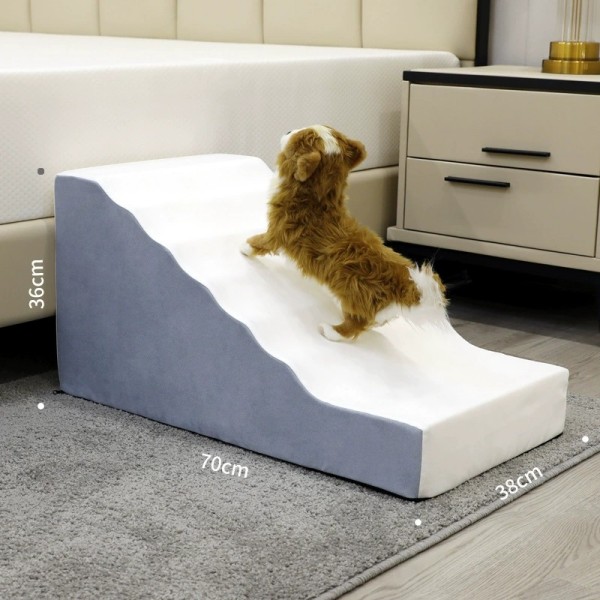
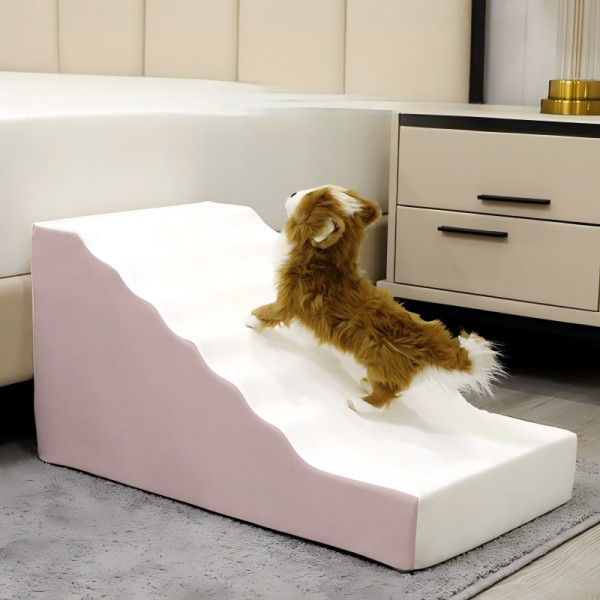
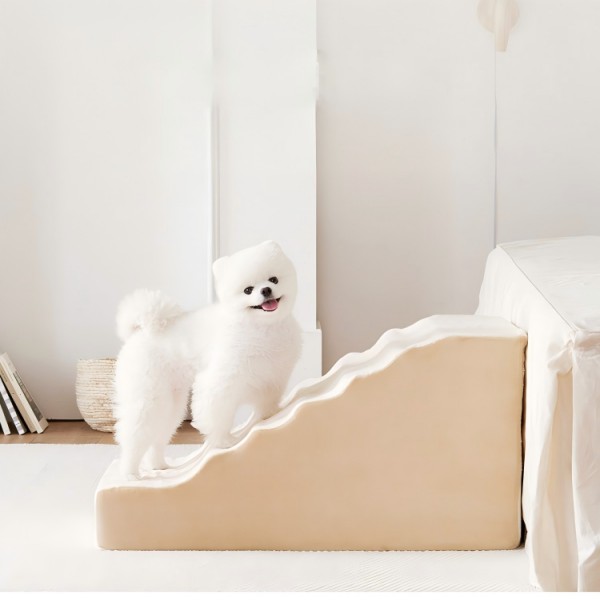
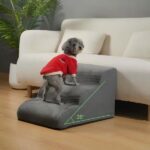
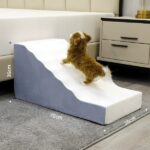
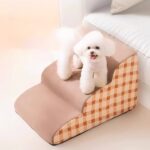
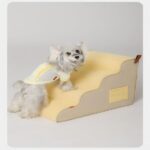
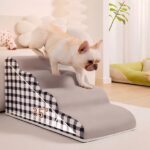
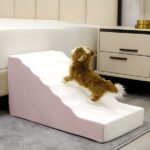
Archova supplies foam dog steps and soft wave-ramp formats for bedside access, with product shapes developed around small and short-legged pets that need an easier route to elevated indoor furniture. The supplied images show several related wave profiles rather than one fixed SKU: a compact 35° model, longer bedside designs, and a dimensioned model measuring approximately 70 × 38 × 36 cm.

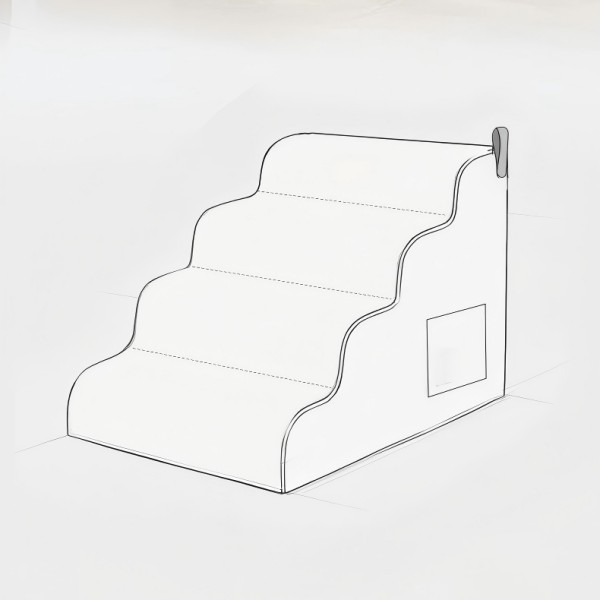
The climbing surface uses broad rounded transitions instead of narrow square treads. Depending on the model, the cover is finished as a full-width textured or smooth textile surface with contrasting side panels, piping, a rear carry loop, and a small side pocket. This product line also uses non-slip bottom fabric, giving the base added grip on common indoor floors while retaining the soft foam construction.

For a true high-bed program, the stair height must be matched to the actual furniture edge. The shown 36 cm model is a confirmed image reference, not a universal high-bed height; taller beds may require a higher stair body or a longer ramp geometry rather than simply increasing steepness. For quotation, share the target bed height, preferred profile, intended pet size, order quantity, cover direction, branding requirements and destination market.

Feature Confirmed / Image-Led Direction
Product Type Foam dog steps / scalloped dog stairs / soft pet ramp for bed access
Shown Dimension Reference Approx. 70 × 38 × 36 cm on one bedside model
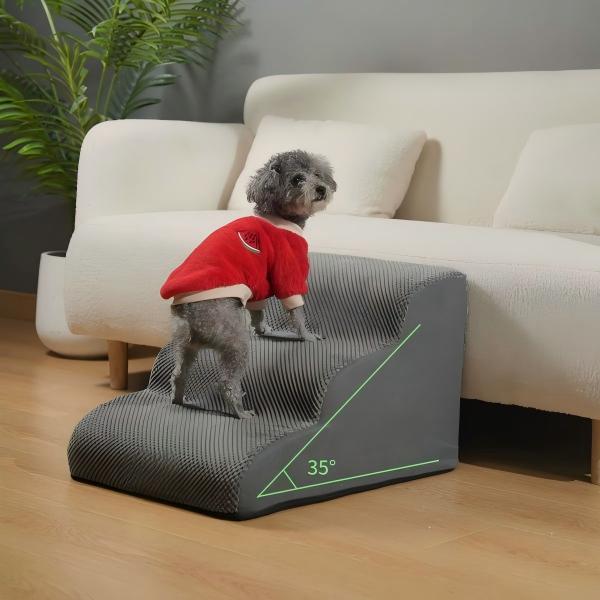
Shown Incline Reference 35° on selected compact wave-step / ramp images
Core Structure Supportive foam body; exact density and firmness confirmed by model
Climbing Profile Broad rounded wave transitions with full-width paw-contact areas
Cover Direction Fitted textile cover; textured or smooth upper surface by model
Confirmed Bottom Non-slip bottom fabric
Selected Exterior Details Rear carry loop and side pocket on shown models
Primary Use Bedside, sofa-side and indoor furniture access
Packing Compression packing for suitable foam models; recovery guidance by model
WhatsApp Us
Product Information
Wave-Profile Dog Steps for Bedside Access
01 Feature Detail

Wave-Profile Dog Steps for Bedside Access

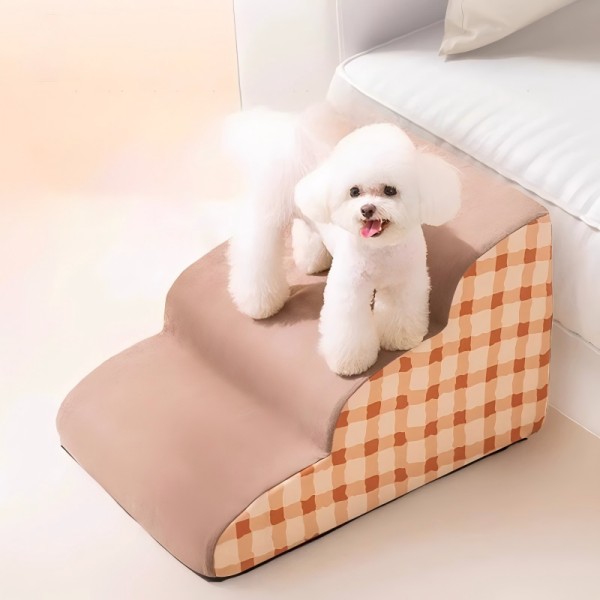
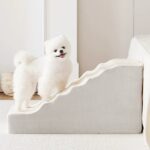
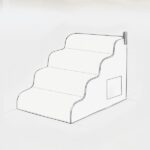
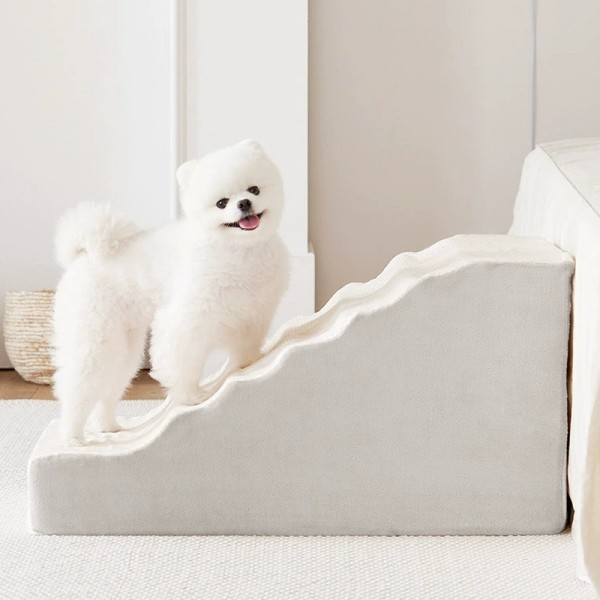
The supplied product family uses rounded wave transitions rather than narrow square treads. The shape creates a continuous climbing route with distinct paw-placement zones, giving the product a softer visual and physical profile beside upholstered beds and sofas.

A Confirmed 70 × 38 × 36 cm Bedside Reference Model
02 Feature Detail

A Confirmed 70 × 38 × 36 cm Bedside Reference Model

One image clearly labels an overall reference size of approximately 70 cm long, 38 cm wide and 36 cm high. This is useful for a compact bedside or sofa-side program, but it should not be presented as the only size in the range. Furniture height must be matched to the selected model.

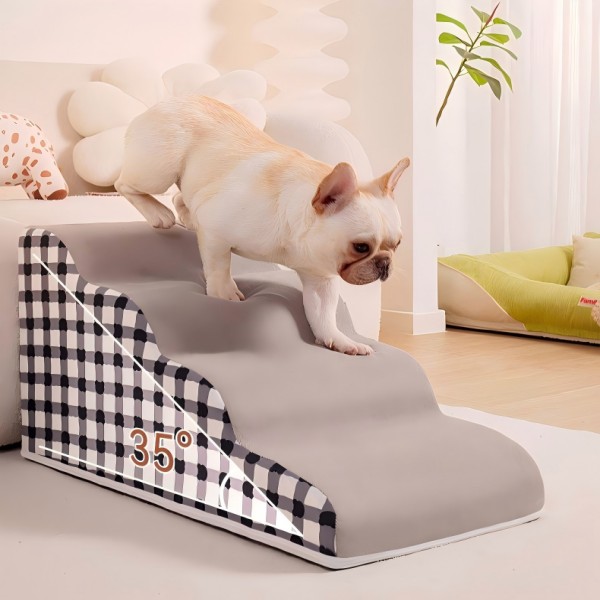
35° Hybrid Step-and-Ramp Direction on Selected Models
03 Feature Detail

35° Hybrid Step-and-Ramp Direction on Selected Models

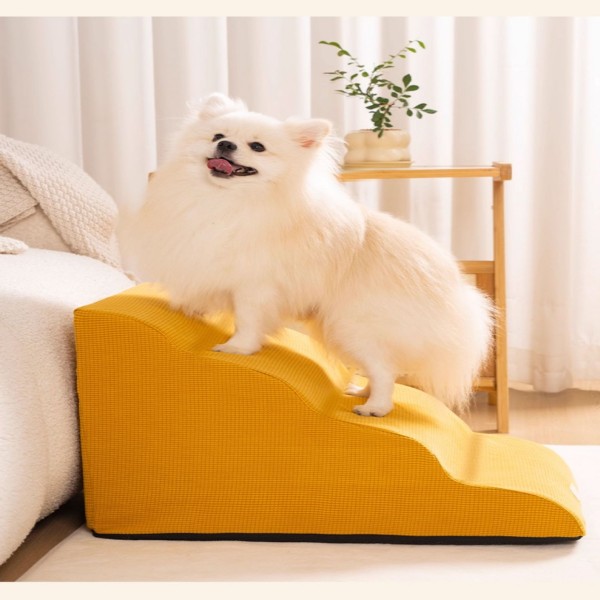
Two product images mark a 35° access angle on compact wave-profile designs. These models visually sit between conventional stairs and a straight ramp: the route rises continuously while the curved humps create clearer paw-placement areas. Other images do not provide an angle and should not automatically be labeled 35°.

Longer Wave Geometry for Higher Furniture
04 Feature Detail

Longer Wave Geometry for Higher Furniture

The taller bedside images use a longer run with multiple rounded rises and a higher furniture-side landing. This is the more relevant structure for higher bed programs because additional length can help gain height without forcing the route into an unnecessarily abrupt rise.

Supportive Foam Body with Visible Compression Resistance
05 Feature Detail

Supportive Foam Body with Visible Compression Resistance

The image set includes a foam-body close-up in which hand pressure visibly compresses the stair surface. This supports the product direction as resilient foam rather than a rigid internal frame. Exact foam density, ILD/firmness and tested load rating still need to be fixed for each production model.

Full-Width Textile Contact Surface
06 Feature Detail

Full-Width Textile Contact Surface

Shown models use a full-width fabric surface across the wave profile. Some versions appear ribbed or textured while others are smoother. This textile direction gives paws a softer contact surface than exposed wood or plastic and also allows the product to coordinate with bedroom textiles.

Confirmed Non-Slip Bottom Fabric
07 Feature Detail

Confirmed Non-Slip Bottom Fabric

The product uses non-slip bottom fabric. The dark base edge is visible on several covered models, and the confirmed bottom material should be specified as part of the production sample. Bottom grip is an important QC point because lightweight foam steps can still move if the grip fabric, floor condition or stair geometry is not well matched.

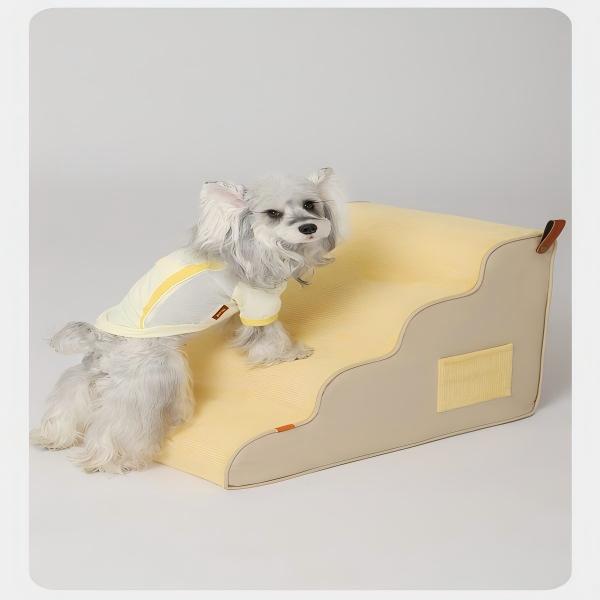
Rear Carry Loop and Side Pocket on Selected Covered Models
08 Feature Detail

Rear Carry Loop and Side Pocket on Selected Covered Models

Selected images show a rear fabric loop and a rectangular side pocket integrated into the cover. The loop gives a practical handling point for repositioning the stair, while the small pocket can hold lightweight pet accessories. These are model-specific exterior details rather than universal features.

Coordinated Tall and Lower Profiles in One Range
09 Feature Detail

Coordinated Tall and Lower Profiles in One Range

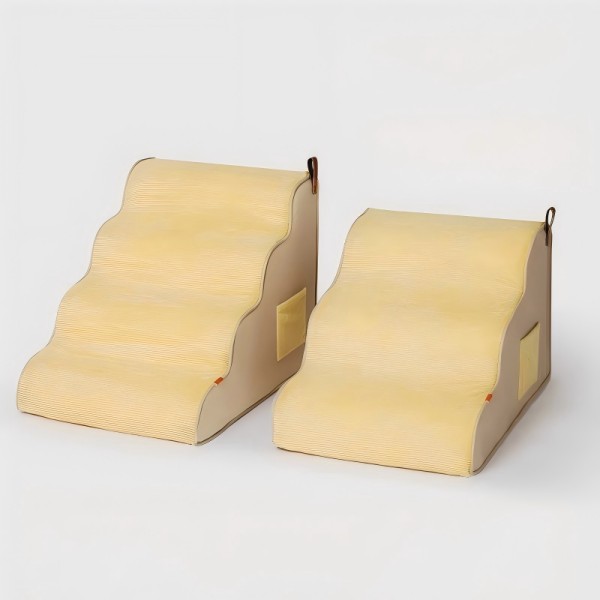
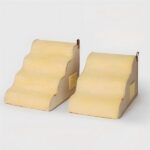
The paired product image shows two different wave-profile heights using the same cover language, side panels, piping and exterior details. This gives buyers a practical way to merchandise a coordinated collection for different furniture heights without changing the overall design identity.

Furniture-Friendly Soft Construction
10 Feature Detail

Furniture-Friendly Soft Construction

The foam body and textile exterior create a softer product edge around beds, sofas and bedroom floors. The product is intended for normal indoor access support, not for chewing, outdoor use, rough play or as a medical treatment device.

High-Bed Programs Need Height Matching, Not Just More Steps
11 Feature Detail

High-Bed Programs Need Height Matching, Not Just More Steps

A high-bed title does not mean every foam stair automatically fits every tall mattress. Buyers should measure the floor-to-access height and choose a stair body whose upper section finishes close to the furniture edge. If more height is required, increasing the run, upper landing or overall geometry is preferable to making the same footprint excessively steep.

Specification Archova Product Direction
Product Category Foam dog steps / wave dog stairs / soft pet ramp for bed access
Primary Use Bedside, sofa-side and indoor furniture access
Shown Reference Size Approx. 70 × 38 × 36 cm on one model
Shown Angle 35° on selected compact wave-profile models
Profile Rounded scalloped / wave transitions
Core Supportive foam body
Foam Density / Firmness Model-specific; confirm in approved sample
Top Surface Fitted textile climbing surface; texture varies by model
Side Finish Coordinated fabric panels; piping on selected models
Bottom Construction Non-slip bottom fabric — confirmed
Carry Detail Rear fabric loop on selected models
Pocket Detail Side storage pocket on selected models
Cover Removal / Washing Available by selected cover construction; not universal across all shown models
Load Rating To be confirmed by selected foam specification and test
Packaging Compression packing for suitable foam models
Recovery Time Model-specific and confirmed with the final foam and packing specification
Use Limitation Indoor access support; not chew-proof, outdoor equipment or a medical treatment product

Build the Stair Around the Target Bed Height

For high-bed sourcing, the most important customization input is the actual floor-to-mattress or floor-to-platform height. Archova can use the existing wave-step directions as starting points, then coordinate the overall height, run length, wave count, foam firmness, cover, confirmed non-slip bottom fabric and packaging around the intended market.

Customization Area Available Direction
Overall Height & Run Adjust the access height and horizontal run to the target furniture instead of increasing steepness alone.
Wave Count / Profile Compact or longer wave-step profiles can be discussed according to furniture height and pet size.
Foam Specification Firmness and density can be selected and locked through sampling; final load performance should be tested on the chosen geometry.
Cover Fabric Textured, knitted, chenille-style, linen-look or other suitable textile directions can be reviewed against the confirmed structure.
Color & Side Panels Top surface, side panels and piping can be coordinated for the intended bedroom or living-room collection.
Bottom Grip Non-slip bottom fabric is confirmed; the exact fabric weight, dot pattern or grip structure can be fixed in the approved sample.
Carry Loop & Pocket Selected models can include a rear loop and side pocket; size and placement can be coordinated with the cover pattern.
Branding & Packaging Logo label, care label, insert card, barcode, carton graphics and compression-packing direction can be developed for confirmed programs.

Compression Packing for Suitable Foam Dog Steps

Suitable foam stair and wave-ramp models can be compression packed to reduce carton volume. The packing plan must be validated by model because taller stair bodies place more recovery demand on the foam than compact versions. The approved sample should define the compression ratio, carton size, storage limit and the expected recovery window after opening.

Packaging Item Confirmed Order Direction
Packing Method Compression packing for suitable foam models
Bottom Protection Keep the non-slip bottom fabric clean and protected from abrasive carton contact
Carton Dimensions Provided with the final model quotation
Recovery Guidance Model-specific; include opening and reshaping instructions with the confirmed packing specification
QC Concern Check uneven expansion, crushed wave sections, cover distortion and height loss after the specified recovery period
Private-Label Packaging Care label, insert card, barcode and printed carton options for confirmed programs
Who We Serve

Trusted by B2B Partners Worldwide

Pet Brands & Private-Label Programs

Develop a coordinated bedside mobility range around wave-profile foam stairs, matched furniture heights, textiles and branding.

Importers & Distributors

Source compact and taller foam access formats with clearer size segmentation for different furniture heights and retail channels.

Retail Chains & Independent Pet Stores

Offer visually distinct bedside products that communicate height, wave profile, non-slip bottom and soft construction without relying on medical claims.

Amazon, Shopify & DTC Programs

Build listings around exact dimensions, target furniture height, anti-slip bottom fabric, foam firmness, compression recovery and clear use limitations.

Senior Pet & Mobility Product Ranges

Add soft indoor access products for older or cautious pets that are comfortable using the selected wave-step or ramp profile.

Pet-Friendly Hospitality & Care Spaces

Use soft bedside or lounge-area access products in supervised pet-friendly rooms where the selected model height matches the furniture.

Client Feedback

What Our Partners Say

"“The first thing our team checked was the actual bed height. The 36 cm sample looked good and felt solid for a compact model, but it was too low for part of our bedroom range. What worked for us was keeping the wave profile and asking for a taller, longer version instead of just making the slope steeper.”"
P

Product Development Manager

Private-Label Pet Brand — Draft Review

"“For online sales, the anti-slip bottom and exact dimension photo matter more than another generic ‘senior dog’ claim. We also asked to hold the foam recovery after compression as a QC point, because a stair that comes out uneven will create returns even if the fabric looks good.”"
E

E-commerce Category Manager

Online Pet Retailer — Draft Review

"“We liked the scalloped shape because it sits between a ramp and conventional block steps. The carry loop and side pocket are small details, but they made the sample feel less generic. Our main request for production was consistent firmness from the bottom step through the top landing.”"
B

Buying Manager

Regional Pet Products Distributor — Draft Review

FAQ

Frequently Asked Questions

What height dog steps do I need for a high bed?
Measure from the floor to the point where the pet should enter the mattress or bed platform. The top of the selected stair should finish close enough to that height that the pet is not forced to make a final large jump. The shown 36 cm model is only one reference size, so taller beds may need a taller and longer model.
Are the shown dog steps really suitable for a high bed?
One supplied model is approximately 70 × 38 × 36 cm, while other images show taller profiles without stated dimensions. Whether a model suits a high bed depends on the actual furniture height. Archova should confirm the finished stair height against your target bed before production.
What size is the foam dog stair shown in the images?
One dimensioned image shows approximately 70 cm length × 38 cm width × 36 cm height. The image set also contains other compact and taller profiles, so this dimension should not be applied to every model.
Do these dog steps use a 35-degree slope?
Selected compact wave-profile images are labeled 35°. Other shown models do not provide an angle, so 35° should be treated as a model-specific reference rather than a universal specification.
Are wave dog steps better than regular square pet stairs?
Wave or scalloped steps create rounded transitions and a more continuous climbing route than hard square risers. Some pet owners prefer this middle ground between stairs and a ramp, but the best profile depends on the dog, furniture height and the dog’s willingness to use it.
Should I choose dog stairs or a ramp for a high bed?
Stairs use more defined level changes, while a ramp uses a more continuous slope. A high bed can make a short ramp too steep, so a longer run may be needed. The supplied wave-step models combine a continuous direction with rounded paw-placement zones.
Are these dog steps suitable for dachshunds or corgis?
Short-legged breeds are common users of bedside access products, but no stair or ramp should be presented as preventing spinal or joint disease. The selected height, width, firmness and profile should fit the individual dog, and owners with medical concerns should follow veterinary advice.
Are foam dog steps suitable for senior dogs?
They can be useful for older dogs that are comfortable walking on a soft stepped or ramped surface. Stability matters: if the foam feels too soft, the stair wobbles, or the dog refuses it, another profile or firmer construction may be more appropriate.
Do these foam dog steps have a non-slip bottom?
Yes. This product line uses non-slip bottom fabric. The final sample should still be tested on the target floor because dust, floor finish, stair width, foam weight and pet movement can affect real-world grip.
Will the non-slip bottom work on hardwood or tile?
The bottom fabric is intended to add grip on common indoor floors, but no lightweight foam stair should be marketed as impossible to move. Keep both the floor and base clean and dry, place the stair flat against the furniture, and add a suitable mat if the target floor remains slippery.
Can foam dog steps wobble or tip?
Yes, if the foam is too soft, the base is too narrow for the pet, or a larger dog loads the stair from the side. Marketplace reviews repeatedly mention wobble and tipping as reasons dogs refuse foam stairs. Sample testing should include side loading, repeated climbing and the intended pet-weight range.
How firm should foam dog steps be?
There is no single correct firmness for every model. The foam should compress enough for comfortable paw contact but recover without the tread collapsing or creating a moving surface. Density, firmness and geometry should be approved together rather than judged from density alone.
How wide should dog stairs for a high bed be?
The shown dimensioned model is about 38 cm wide. Wider or heavier dogs may need more width and lateral stability. Buyers should choose width from the intended pet size and test whether the dog can climb, turn and descend without stepping off the side.
Why does my dog refuse to use new pet stairs?
Dogs may avoid unfamiliar stairs because of movement, steepness, surface feel or uncertainty. Real owner discussions commonly describe a learning period. Introduce the stairs on a stable floor, use rewards, train both up and down, and do not force the dog onto a surface it finds unstable.
Why will my dog climb the stairs but still jump down from the bed?
Going down can feel different from going up, and some dogs choose to jump off the side instead of using the access product. Position the stair where the dog naturally exits, train the descent separately and avoid leaving a large exposed drop immediately beside the stair.
Does a high bed make the stairs too steep?
It can. If the required height increases while the stair footprint stays short, the access route becomes steeper. For a high-bed program, increasing the run length or using a taller multi-wave structure is generally a better design direction than forcing more height into the same compact footprint.
Are the covers removable and washable?
The images confirm fitted textile covers, but they do not prove that every shown cover is removable or machine washable. Removable washable constructions can be specified for selected models and should be confirmed with zipper design, fabric and care label before production.
Do the stairs have a carry handle and storage pocket?
Selected covered models show a rear fabric carry loop and a small side pocket. These are model-specific exterior details and should be listed only on SKUs that include them.
What foam density is used in these dog steps?
The supplied images and source file do not provide a fixed kg/m³ value for all models. Archova should quote the selected foam specification and approve it through a physical sample, recovery test and intended load test.
How much weight can the foam dog steps hold?
A tested load rating is not shown in the supplied material. The rating should be established for the final foam firmness, width, height and wave geometry. Buyers should avoid publishing a weight limit that has not been verified on the selected model.
Are these foam dog steps compression packed?
Suitable foam stair models can use compression packing to reduce carton volume. The exact compression plan should be validated by model because a taller stair contains more foam and can be more sensitive to uneven recovery.
How long do vacuum-packed foam dog stairs take to expand?
Recovery time is model-specific. Market reviews show that some compressed foam stairs recover quickly while others remain low, uneven or misshapen for longer than expected. The final production specification should define the normal recovery window and the action to take if shape or height remains outside tolerance.
What should I do if the foam steps do not recover evenly after unpacking?
Remove all compression packaging, position the stair in its intended shape, allow the specified recovery period and check whether the cover is restricting expansion. If one side, tread or landing remains outside the approved tolerance after that period, treat it as a QC issue rather than telling customers to wait indefinitely.
Can compressed foam steps have an odor after opening?
A temporary packed-material odor can occur with some foam and textile combinations. The approved model should include ventilation and care guidance if needed. Strong, persistent or unusual odor should be investigated against the confirmed material specification.
What should B2B buyers inspect on a foam dog stair sample?
Check finished height, length and width; wave geometry; foam firmness; top and side recovery after compression; lateral stability; non-slip bottom grip; cover tension; zipper and stitching if present; carry loop and pocket attachment if included; color consistency; carton condition; and whether the stair reaches the intended furniture height.
What production tolerances should be confirmed for high-bed dog steps?
At minimum, agree dimensional tolerance, finished height after recovery, foam firmness or density control, cover fit, bottom-grip construction, stitching, packaging compression, and the recovery window. High-bed products are especially sensitive to height loss because a few centimeters can change the final furniture match.
Can Archova customize the stair height for different bed markets?
Yes. Existing wave-step directions can be used as starting points while overall height, run length, wave count, foam specification, cover, color, non-slip bottom fabric, branding and packaging are matched to the target furniture and market.
What information should I send for a wholesale quote?
Send the target bed or furniture height, preferred model/photo, required width or intended pet size, quantity, destination market, cover direction, color, branding, packaging requirements and any testing or labeling requirements. Archova can then confirm the final product and carton specification.
You May Also Like
Foam Dog Stairs Manufacturer

Foam Dog Stairs Manufacturer

Coordinated wave-profile foam dog stairs in compact, medium and taller height directions for indoor furniture access.

4 Step High-Density Foam Pet Stairs

4 Step High-Density Foam Pet Stairs

A four-step one-piece foam stair direction for sofas, beds and everyday indoor pet access.

Foam Dog Ramp for Couch

Foam Dog Ramp for Couch

Curved foam step-ramp formats for couch and sofa access, with model-specific angles and non-slip bottom construction.

Dog Ramp for Sofa

Dog Ramp for Sofa

Soft foam ramp and step-ramp options for lower furniture, small dogs and senior-support collections.

Get a Quote

Interested in Dog Steps for High Bed and Bedside Pet Access?

Contact our team for pricing, MOQ details, customization options, and OEM/ODM partnership opportunities.

WhatsApp Inquiry