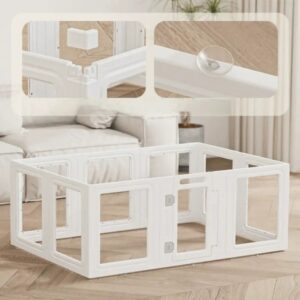
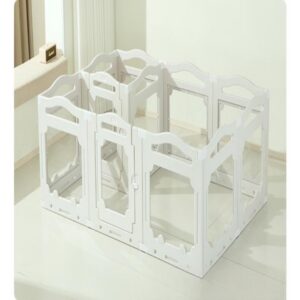
Project Snapshot
- Client: New pet brand entering the dog containment category
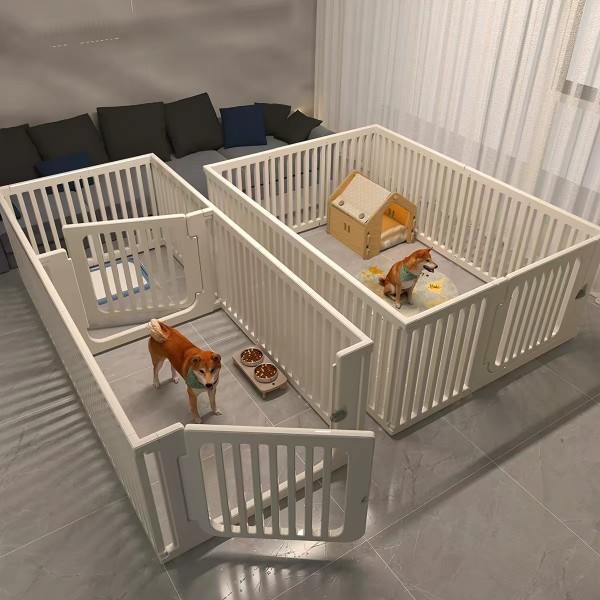
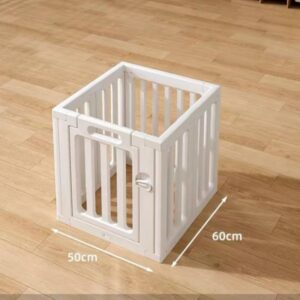
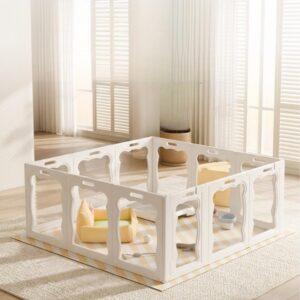
- Product: Modular plastic dog playpen
- Initial Request: Fully customized molded product with proprietary visual and functional details
- Commercial Risk: Committing to tooling before the brand had real category data
- Archova Recommendation: Existing product test → private label → market feedback → tooling decision
- First-Stage Result: Market entry without making new tooling a prerequisite for launch
The Client Was Ready to Open a Mold
The client wanted the first playpen to look noticeably different from products already on the market. The original brief included changes to panel styling, door structure, color and other molded details.
Technically, those changes could be developed. Commercially, however, the brand had no sell-through, return or end-user data for the category. Moving directly into tooling would have locked several untested decisions into the first version.
The Bigger Question Was What Actually Needed to Be Different
In plastic dog playpens, a design can look convincing on a drawing while still missing the issues that determine everyday satisfaction. Our product team therefore separated visual differentiation from the questions that should be tested in real homes first.
What the First Launch Needed to Validate
- Height: whether the selected height was suitable for the intended dog sizes and behavior.
- Panel count and footprint: which configurations worked best in apartments, living rooms and other indoor spaces.
- Stability: whether users reported sliding, flexing or movement on tile, wood or laminate floors.
- Door and latch use: whether entry position and locking were convenient during frequent daily use.
- Assembly and storage: whether the product was easy to configure, move, disassemble and store.
- Cleaning access: whether users could reach the enclosure easily after spills or pet accidents.
- Retail price acceptance: whether the planned price point matched the product’s perceived value.
- Expansion demand: whether users wanted extra panels, alternate layouts or accessories.
- Return reasons: which complaints were actually strong enough to justify engineering changes.
Our Recommendation: Test the Category Before the Mold
We recommended selecting the existing Archova playpen platform closest to the client’s intended position and changing only the parts that did not require unnecessary structural tooling. Depending on the approved SKU and order, this could include color direction, branding, labels, instructions and retail packaging.
The point was not simply to make the first order cheaper. It was to turn the first order into a controlled commercial test that would produce a stronger brief for any later ODM project.
Stage 1 — Market Validation
Launch a mature plastic dog playpen under the client’s own brand, with the selected configuration and presentation adapted for the target channel. Collect real feedback before changing the molded structure.
Stage 2 — Tooling Decision
Use the first-stage data to decide what deserves proprietary engineering. A later brief might focus on a new panel profile, revised height, improved floor contact, a different door or latch, a proprietary connection system or an accessory interface. If the mature structure already performs well, a new structural mold may not be necessary.
A Clearer Tooling Decision
- Panel count and footprint: Test first; custom tooling only if the validated layout requires proprietary geometry.
- Height preference: Often testable first; tooling may make sense when real demand supports a new structural size.
- Color and branding: Usually testable without a new structural mold.
- Retail packaging: Testable without structural tooling.
- Door usability: Test first; tooling may make sense when feedback supports a substantially different door or latch.
- Panel stability: Test first; tooling may make sense when the mature platform cannot meet the validated performance target.
- Visual identity: Partly testable; proprietary molded styling may be justified when commercially important.
- Accessory ecosystem: Partly testable; a unique interface may justify tooling when it creates meaningful differentiation.
The Outcome
The client could enter the dog playpen category without making proprietary tooling part of the first purchasing decision. The launch was treated as a structured way to learn which specifications mattered in the target market.
Any later ODM discussion could therefore start from evidence rather than assumptions: not “What can we make different?” but “Which proven user need is worth engineering differently?”
Why Archova Uses This Approach
Custom development is an important part of our business, but it is not automatically the right first step for every project. For brands entering a new category, a mature product can provide a faster and lower-risk way to test positioning, configuration and market response.
Once the opportunity is clearer, our team can move into private tooling with a stronger specification and fewer assumptions. Sometimes the best first step toward a custom product is knowing what not to customize yet.