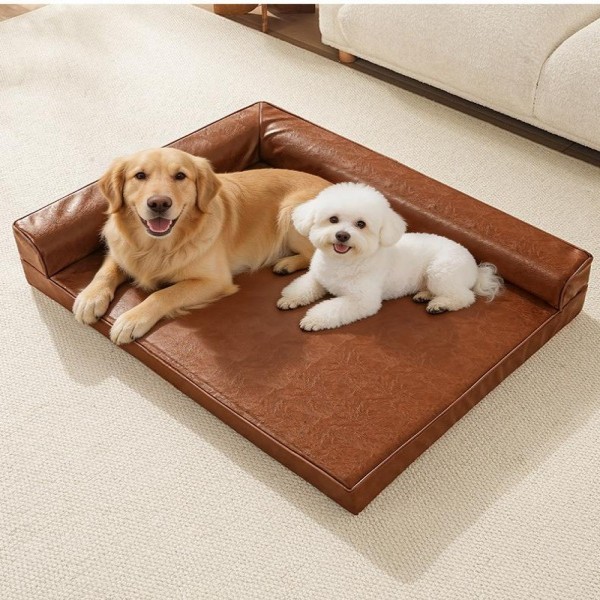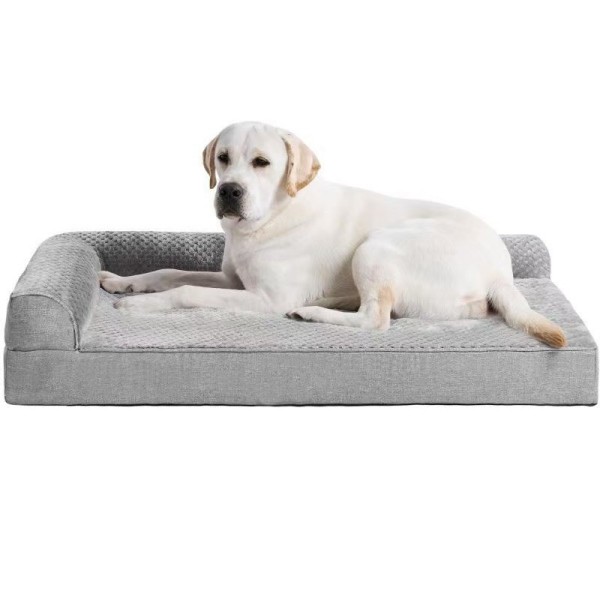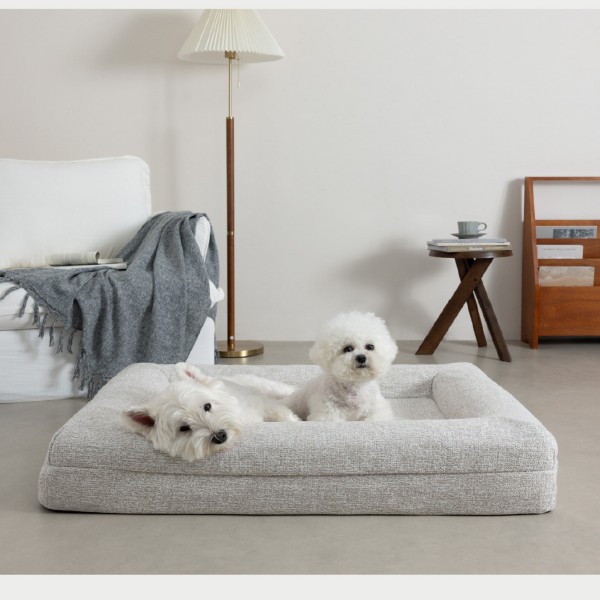
Yes, cat caves can be good for anxious cats — but only if you use them the right way.
A good cat cave gives your cat a quiet, private place to hide, sleep, and watch the room without feeling fully exposed. For many nervous cats, that kind of small protected space feels much safer than an open bed in the middle of a busy room.
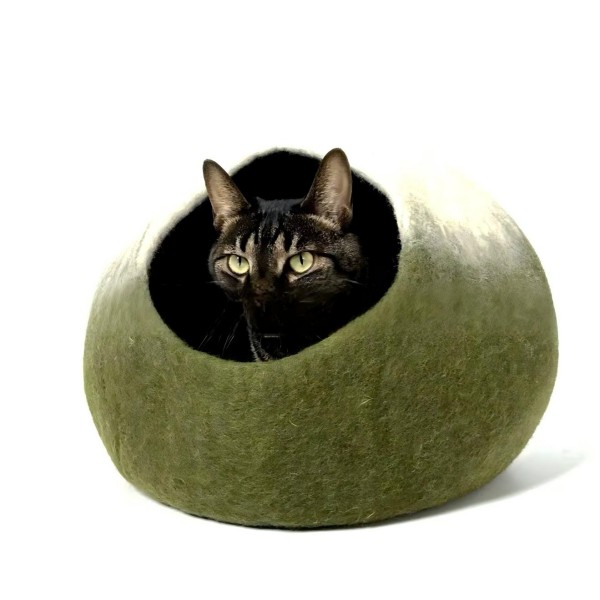
But let’s be honest. A cat cave is not a magic anxiety cure. It can support your cat’s comfort, but it cannot fix fear, illness, poor introductions, loud surroundings, or stress between pets.
Why Anxious Cats Like Covered Spaces
An anxious cat does not usually want more attention. It wants more control over distance, visibility, and when to come out.
That is why nervous cats often hide under beds, behind curtains, inside boxes, or in closets. They are not being “difficult.” They are trying to reduce pressure.
A cat cave works because it gives that same feeling in a safer, cleaner, more intentional way. Your cat can go inside, stay partly hidden, and still decide when to come out.
That choice matters. For an anxious cat, choice is comfort.
A Cat Cave Should Feel Like a Safe Room
The best cat cave is not just soft. It should feel like a small safe room.
Your cat should be able to enter easily, turn around, curl up, and leave without feeling trapped. The opening should not be too tight. The cave should not collapse over the cat’s face.
I would avoid caves that look cute but have a tiny entrance. Cats like hiding, but they do not like being stuck.
Do Not Force Your Cat Into It
This is where many people get it wrong.
You buy the cave, feel excited, place it in the room, and then push the cat toward it. The cat backs away. Now the cave has become suspicious.
Do not do that.
Place the cave near a quiet area your cat already likes. Let your cat sniff it, walk around it, sit near it, or ignore it for a few days. You can put a familiar blanket inside, but do not trap the cat inside to “show it the bed.”
For anxious cats, slow is faster.
Placement Matters More Than the Product Photo
A cat cave in the wrong place may fail even if the product is good.
Avoid busy walkways, loud TV areas, children’s play corners, doors, washing machines, and places where another pet can block the exit.
Better places are quiet corners, bedroom edges, near a favorite window area, beside a sofa, or inside a safe room for a newly adopted cat.
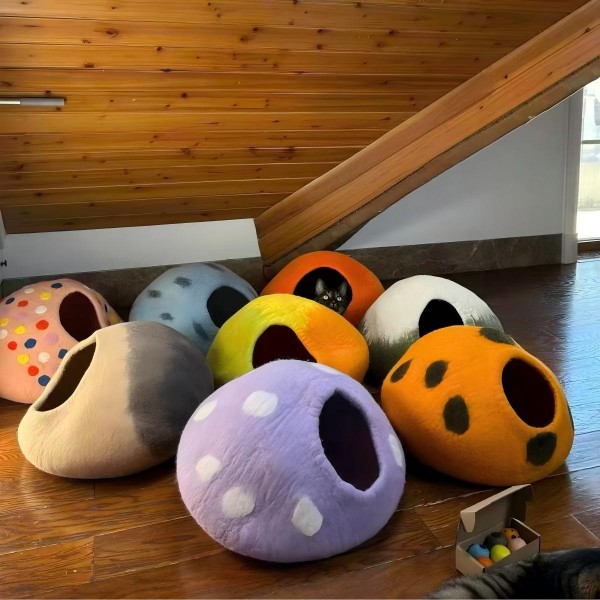
One small detail: face the opening toward the room, not directly into a wall. Many cats like to hide, but they also like to see what is coming.
When a Cat Cave Helps Most
A cat cave is especially useful when your cat is:
newly adopted; shy with guests; nervous around other pets; sensitive to noise; living in a busy apartment; recovering from a stressful change; always hiding in unsafe places.
In these cases, the cave gives your cat a better hiding option. Shelter research also suggests that access to a hiding box can reduce behavioral signs of stress in cats adapting to a new environment.
That does not make a cave a treatment. It makes hiding space one useful part of a calmer setup.
When a Cat Cave Is Not Enough
If your cat suddenly starts hiding much more than usual, do not assume it only wants a better bed.
Sudden hiding can be a stress sign, but it can also be linked to pain, illness, fear, or changes in the home.
Watch the whole picture. Is your cat eating normally? Drinking? Using the litter box? Moving normally? Grooming normally? Acting alert?
If something feels off, a cat cave is not the answer. Your cat may need a vet check.
What Kind of Cat Cave Works Best?
For anxious cats, I would choose comfort over decoration.
Look for a cave with a stable shape, soft inner feel, low or easy entrance, and enough inner room. The cave should feel protected but not tight.
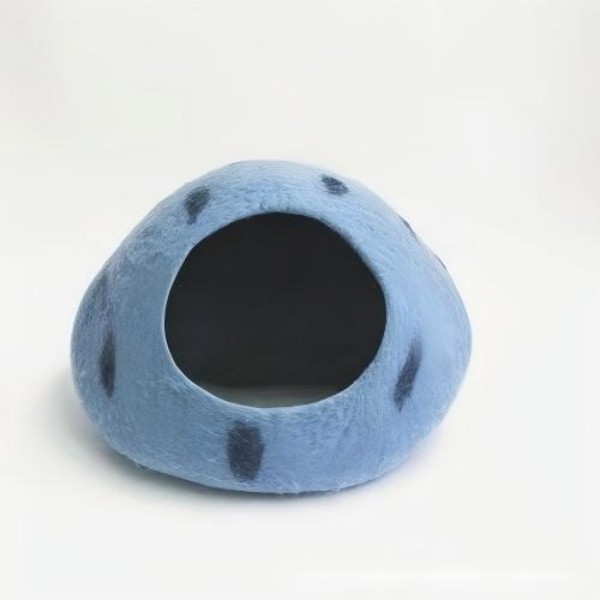
Felt cat caves are popular because they hold warmth and create a quiet enclosed shape. Plush hooded beds can work for cats that want softness but not a firm cave structure. Wicker, willow, rattan, or PE rattan caves can work when you want more airflow and a home-furniture look, but the inside should still feel smooth and safe.
Based on Archova’s experience, the entrance and structure matter more than the outside style. If the cat does not trust the opening, the material will not save the product.
Should the Cave Be Fully Enclosed?
Not always.
Some anxious cats love a deep enclosed cave. Others prefer a semi-open bed because they want protection without feeling boxed in.
If your cat is very nervous, a wide-mouth cave or hooded bed may be a safer first choice than a tiny enclosed pod. It gives cover, but the cat can still leave quickly.
That balance is important. The goal is not to hide the cat away. The goal is to help the cat feel safe enough to rest.
Add Familiar Smell
Cats trust familiar scent.
If the cave is new, it may smell strange at first. You can place a small blanket, towel, or soft cloth your cat already uses inside the cave.
Do not overdo perfumes, strong cleaners, or heavy scent sprays. Many cats dislike strong smells. A clean, familiar smell is usually better than a “fresh” human fragrance.
What If the Cat Sleeps on Top?
Honestly, this happens a lot.
Some cats flatten a felt cave and sleep on top. That does not always mean the product failed. It may mean the cat likes the material but does not want enclosure at that moment.
Still, if your goal is anxiety support, the cave should hold its shape well enough to work as a hiding space. A cave that collapses too easily may become just another mat.
Multi-Cat Homes Need Extra Care
In a multi-cat home, one cave may not be enough.
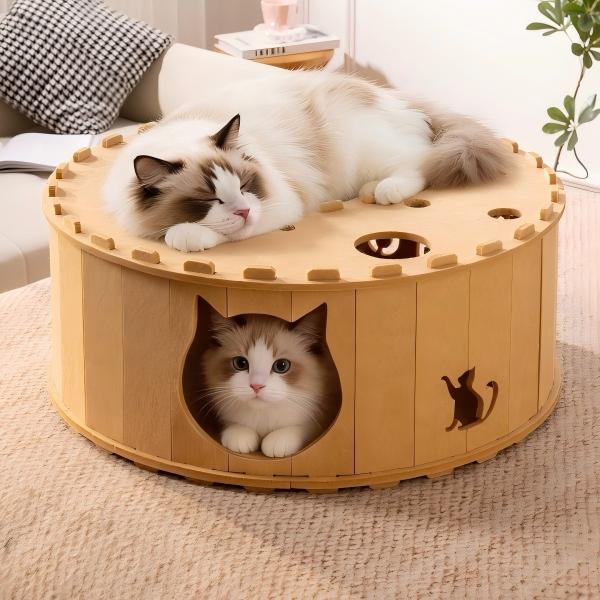
An anxious cat can feel trapped if another cat blocks the entrance. This is why multiple resting and hiding spots are better than one “special” bed.
Place caves in different areas, not all in one corner. Each cat should have a way to rest without being watched, chased, or cornered.
This is not luxury. For some cats, it is peace.
Quick Check Before You Buy
Ask yourself these questions:
Can my cat enter and leave easily? Is the entrance wide enough? Will the cave hold its shape? Can I clean hair from inside? Is the material quiet and soft? Can I place it somewhere calm? Will another pet block the entrance?
If the answer is no to several of these, keep looking.
How Archova Looks at Cat Caves
At Archova, we treat cat caves as comfort furniture, not just cute accessories.

For anxious cats, we pay attention to entrance size, inner space, shape stability, material feel, airflow, cleaning access, and packaging protection. A cave that arrives crushed or loses shape too quickly will not support the cat well.
A good cat cave should make life calmer for the cat and easier for the home. That is the standard I would use before choosing any style.
Conclusion
A cat cave can be very helpful for an anxious cat, but it should be part of a calmer home setup.
Give your cat quiet space, predictable routines, gentle interaction, safe hiding places, and the freedom to come out when ready.
The cave should not force confidence. It should quietly offer safety.
That is when it works best.
FAQ
Are cat caves good for anxious cats?
They can be. A cave gives privacy and cover when the cat can enter and leave freely.
Can a cat cave make anxiety worse?
It can if the cat feels trapped, another pet blocks the exit, or the cave sits in a stressful location.
Where should I place a cat cave?
Use a quiet area the cat already trusts and keep the entrance easy to approach.
Should I force my cat to use it?
No. Let the cat investigate at its own pace.
What type works best for a nervous cat?
A stable shape, wide entrance, soft interior, and enough room to turn are more important than decoration.
Is hiding always normal?
Some hiding is normal. A sudden major increase in hiding, especially with changes in eating, drinking, litter use, movement, or grooming, deserves closer attention.
Are felt cat caves good for anxious cats?
They can work well when the shape stays open, the entrance is practical, and the cat likes enclosed resting spaces.
References