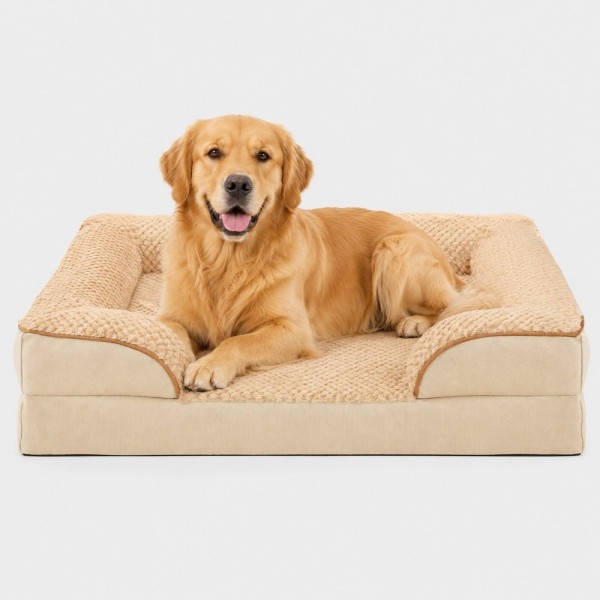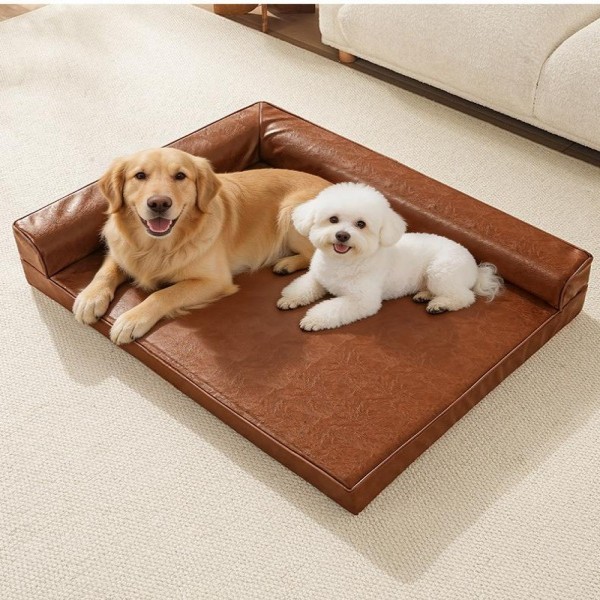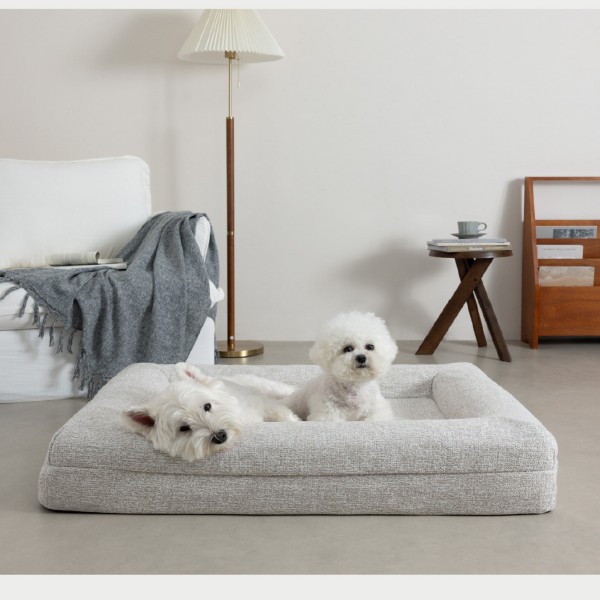
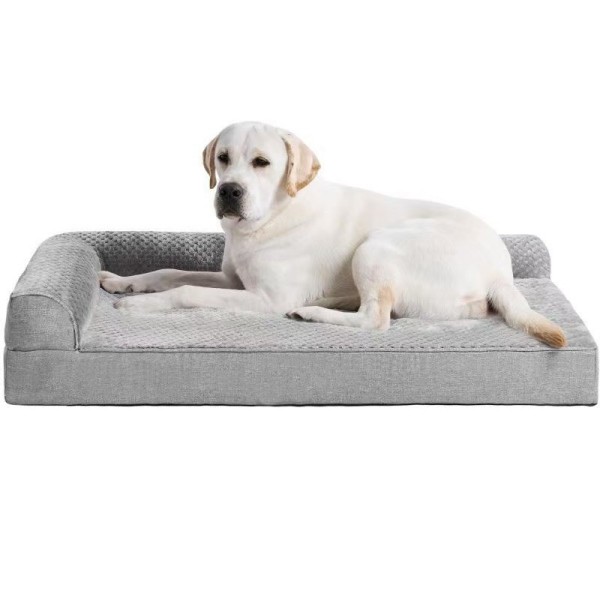
Dogs often like dog beds because a good bed gives them a predictable place to rest, a comfortable surface, and a shape that matches how they naturally sleep.
But dogs do not all want the same thing. Some curl against raised sides. Some stretch on flat mattresses. Some want to stay close to the family. Others move to hard flooring when a padded bed feels too warm.
For pet owners, the useful question is: what does my dog like about this particular resting place?
For retailers and importers, that answer should guide product development.
A Bed Gives the Dog a Defined Resting Place
A comfortable safe space should be easy to enter and leave, reasonably quiet, and free from constant disturbance.
A dog bed can help create that clear resting zone.
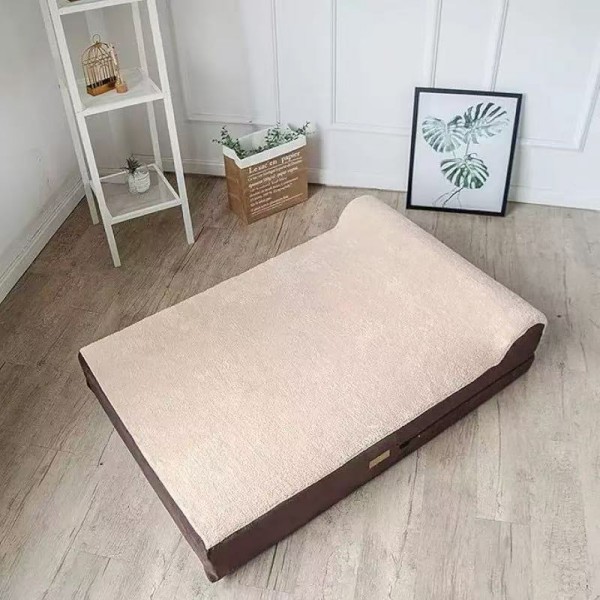
This is why location matters as much as filling.
A good bed placed where the dog already likes to settle can be more successful than an expensive bed placed in an isolated room.
For B2B buyers, this makes room fit, floor stability, usable size, and easy access real product features.
Dogs Like Different Bed Shapes Because They Sleep Differently
Dogs may curl tightly, stretch fully, lie on their backs, rest their heads on an edge, or change position repeatedly.
A practical dog-bed size and shape should allow those natural sleeping positions.
| Resting Preference | Better Bed Direction |
|---|---|
| Curls tightly | Round or bolster bed |
| Stretches fully | Flat mattress |
| Rests head on an edge | Three-sided sofa |
| Changes position often | Open rectangular bed |
| Gets warm easily | Cooler open surface |
A dog does not care that a bolster bed looks premium.
The dog cares whether the bed still works when it actually lies down.
Softness Can Feel Good, but Support Still Matters
Dogs may prefer padded surfaces because they are more comfortable than hard flooring.
Research on canine housing has found dogs choosing soft resting surfaces over harder alternatives in some managed environments. Soft beds can be a valued resting resource.
But softness and support are not the same.
A heavier dog can sink through a very soft bed until the body is close to the floor again.
For larger dogs, a large orthopedic dog bed should keep useful support under the torso after body weight is applied.
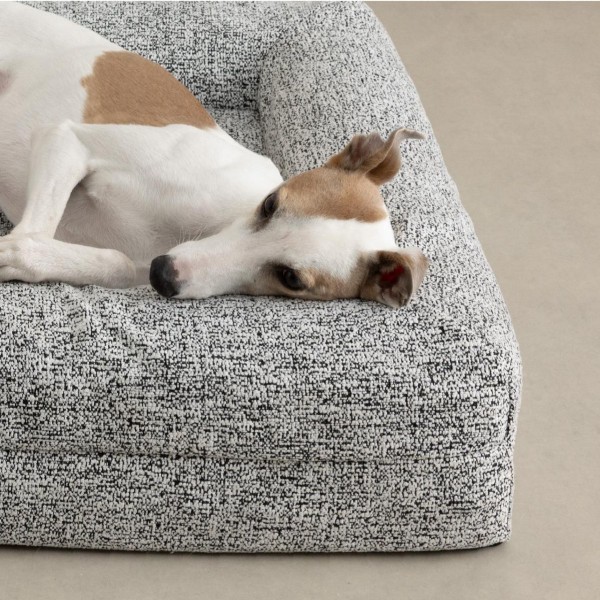
For retailers, I would check support depth, firmness under load, compression recovery, centre sagging, and usable sleeping area.
The reason the dog likes the bed on day one should still exist months later.
Bolsters Can Make the Bed Feel More Contained
Some dogs repeatedly lean their backs, shoulders, or heads against the side of a bed.
For those dogs, a bolster is functional.
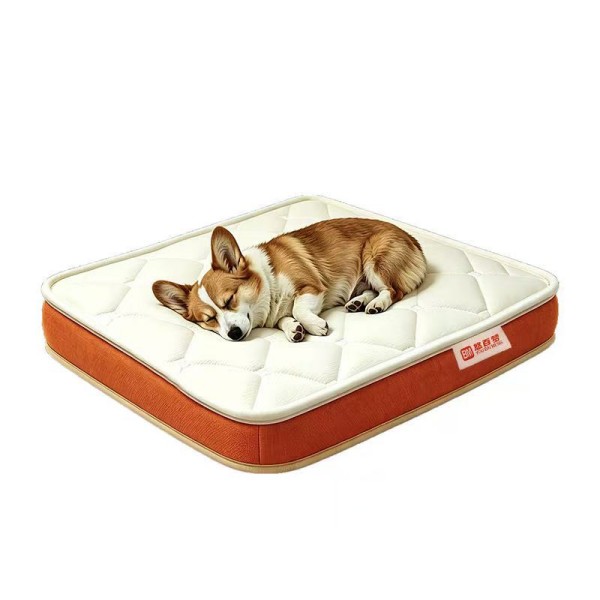
But thick bolsters reduce usable centre space.
That is why full-surround beds, three-sided sofas, low-front bolsters, and flat mattresses should be treated as different use cases rather than cosmetic variations.
Scratching and Digging Can Be Normal Nesting
Many dogs circle, scratch, push blankets, or dig at the bed before lying down.
Nesting behaviour around beds and blankets can be part of adjusting the resting area for comfort or temperature.
That has a direct product implication.
Dogs that regularly paw the surface put more stress on:
- seams
- piping
- thin covers
- loose fibres
- exposed zippers
For retailers, comfort and durability need to work together.
Dogs May Prefer Beds Near Their People
Some dogs want a quiet place. Others prefer resting near normal household activity.
A comfortable resting area near family activity can be more attractive than a bed in another room.
Research into dog sleep location also shows that many dogs with access to people overnight choose to remain near them. Sleep location can reflect social proximity as well as physical comfort.
For pet owners, the practical rule is simple:
put the bed where the dog already wants to rest.
Why Some Dogs Ignore an Expensive Bed
A dog ignoring a bed does not necessarily mean the bed is poor.
It may mean one specification is wrong.
Common reasons include:
- the bed feels too warm
- the centre is too small
- the dog prefers a firmer surface
- bolsters restrict stretching
- the location is too isolated
- the bed slides on hard flooring
- the texture feels unfamiliar
This is where observation matters more than price.
Temperature Can Override Softness
Dogs often switch between beds and floors depending on temperature.
Different bed types can suit different seasons and resting preferences.
Real owner discussions repeatedly show dogs leaving plush beds for tile or hardwood when they want a cooler surface.
For dogs that need a larger cooler contact area, an extra large cooling mat for dogs can provide a separate seasonal option.
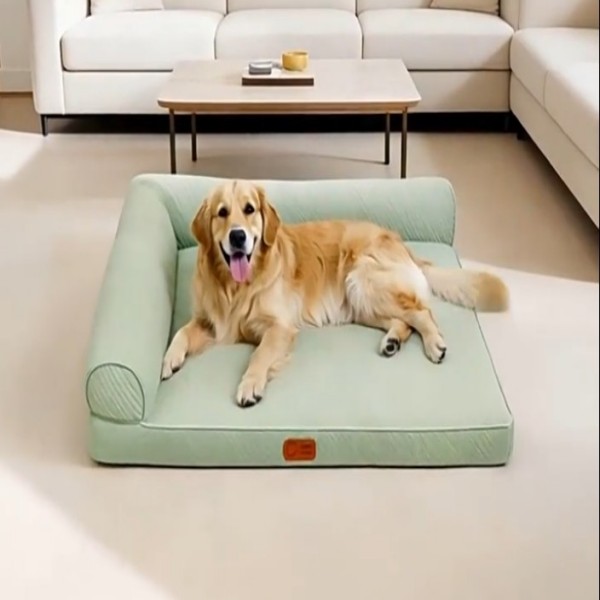
For B2B buyers, keep the product functions clear:
- padded bed = cushioning and resting structure
- cooling mat = cooler contact surface
- cooling bed = support plus warm-weather function
Do not turn ordinary breathable fabric into an unsupported cooling claim.
Familiarity Can Matter More Than Novelty
Dogs often return to a resting place because it is already part of their routine.
Replacing an old favourite bed with a very different product can lead to temporary rejection.
The new bed may have a different height, texture, firmness, or shape.
For pet owners, place the new bed where the dog already rests and allow natural exploration.
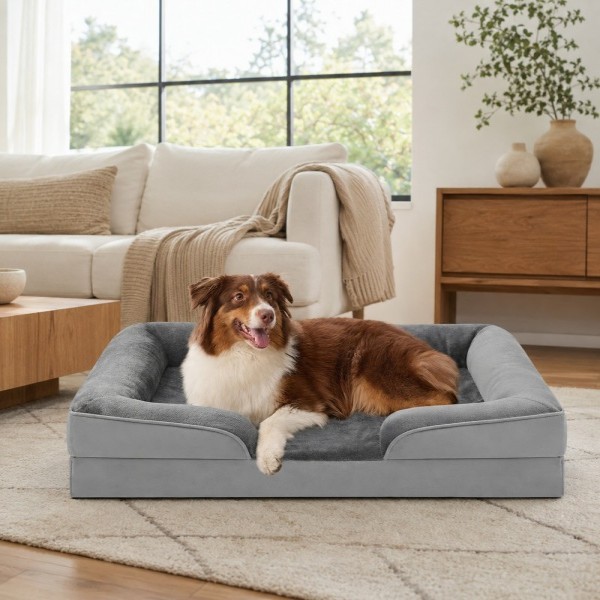
For retailers, simple structures with a clear use case can outperform decorative designs with no practical advantage.
Older Dogs May Value Support Differently
A dog’s preferred resting surface can change with age.
Older dogs or dogs with reduced mobility may benefit from a supportive bed that is easy to enter and stable on the floor. Accessible bedding and nonslip surroundings can make the resting environment easier to use.
That does not mean every senior dog wants deep memory foam.
A senior dog may still reject a bed that is too warm, sinks too deeply, has a high entry, or slides on the floor.
The whole structure matters.
One Dog Can Like More Than One Bed
A dog may choose a quiet bed for deeper sleep, a bed near the family in the evening, a cooler surface after activity, or a bolster when it wants to curl.
That is not inconsistency.
It means the best resting surface can change by location, temperature, and time of day.
Giving dogs more than one comfortable resting option can therefore make more sense than searching for one universal bed.
For retailers, this supports a stronger category strategy: different functions instead of one product claiming to solve everything.
What I Would Look for in a Bed Dogs Actually Use
I would prioritise:
- enough usable sleeping area
- a shape matched to sleeping style
- support matched to body weight
- stable floor contact
- practical entry height
- a surface appropriate for room temperature
- washable components
- durable seams
- placement where the dog already likes to rest
These points are more useful than vague claims such as “ultimate luxury” or “calming design” without a structural reason.
How Archova Approaches Dog Bed Preference
At Archova, we would not design one bed and assume every dog should like it.
For curlers and leaners, bolster geometry matters.
For stretchers, usable flat area matters more.
For larger dogs, support depth and compression resistance become more important.
For dogs that become warm easily, a separate cooling surface can give the household another option.
For private-label development, we can adjust bed shape, dimensions, support structure, bolster height, entry design, cover material, floor grip, washable components, and seasonal cooling options.
The goal is not to make a dog “love” a bed through marketing.
It is to make the product match the way the dog already prefers to rest.
FAQ
Why does my dog always sleep in its dog bed?
The bed may provide a comfortable, familiar, predictable resting place in a location the dog already prefers.
Why do dogs like bolster beds?
Some dogs like curling against or resting their head on a raised side. Others prefer flat beds.
Why does my dog scratch the bed before lying down?
Scratching and digging can be normal nesting behaviour used to adjust the resting area before settling.
Why does my dog sleep on the floor instead of the bed?
Temperature is a common reason. Some dogs prefer cooler hard surfaces when padded beds feel too warm.
Does a dog need an orthopedic bed to be comfortable?
No. The right support depends on body weight, age, mobility, and preference.
Where should I put my dog’s bed?
Place it where the dog can rest without constant disturbance. Some dogs also prefer a second bed near family activity.
Should I buy more than one dog bed?
It can be useful when the dog has different resting preferences by room, temperature, or time of day.
What should retailers check when developing dog beds?
Check usable area, sleeping style, support under load, entry height, floor grip, cover durability, washability, temperature performance, and whether each SKU solves a different resting need.
Conclusion
Dogs like dog beds when the bed solves a real resting need.
That may be comfort, a defined personal space, side support, room to stretch, proximity to the family, familiarity, or the right temperature.
For pet owners, the best approach is to watch where and how the dog chooses to sleep.
For retailers and importers, the same observation should guide product development. A strong dog-bed range offers different structures for different ways of resting.
References
- RSPCA — Choosing the Perfect Dog Bed
- Dogs Trust — Creating a Safe Space for Your Dog
- Dogs Trust — How to Keep Your Dog Off the Furniture
- Dogs Trust — Why Dogs Destroy Things and What You Can Do
- NCBI — Environmental Enrichment for Dogs and Cats in a Scientific Environment
- NCBI — Sleep Duration and Behaviours in Dogs up to 12 Months of Age
- VCA — Creating a Comfortable Home for Your Mobility-Compromised Dog