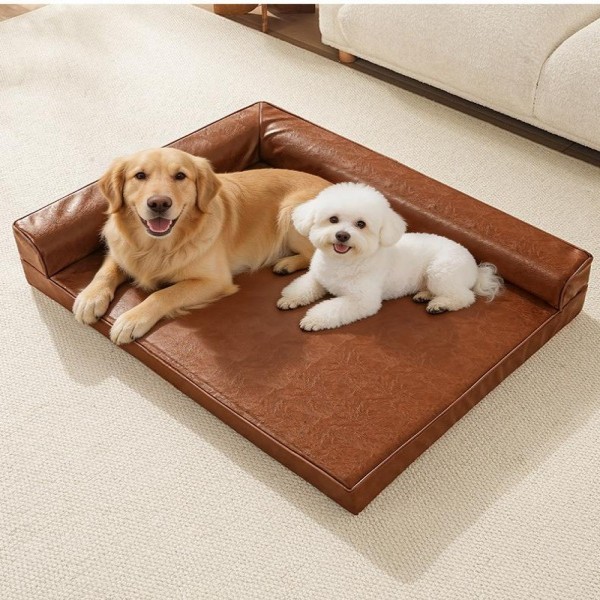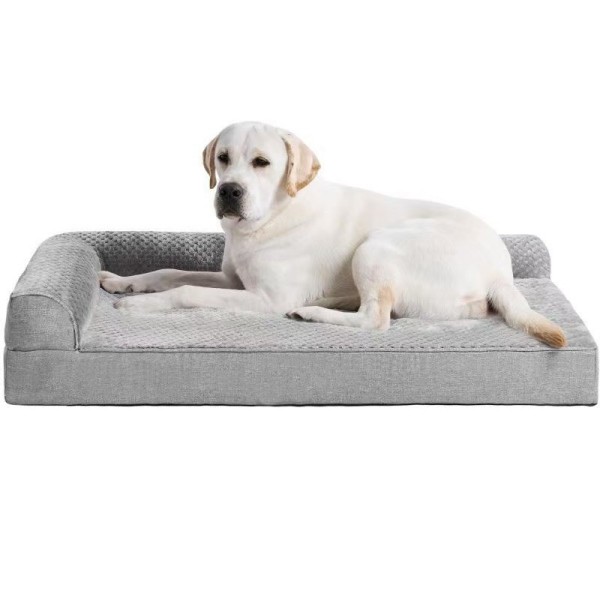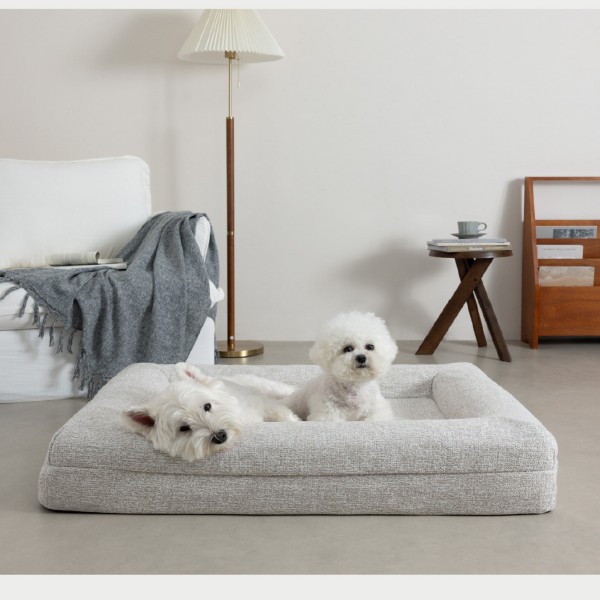
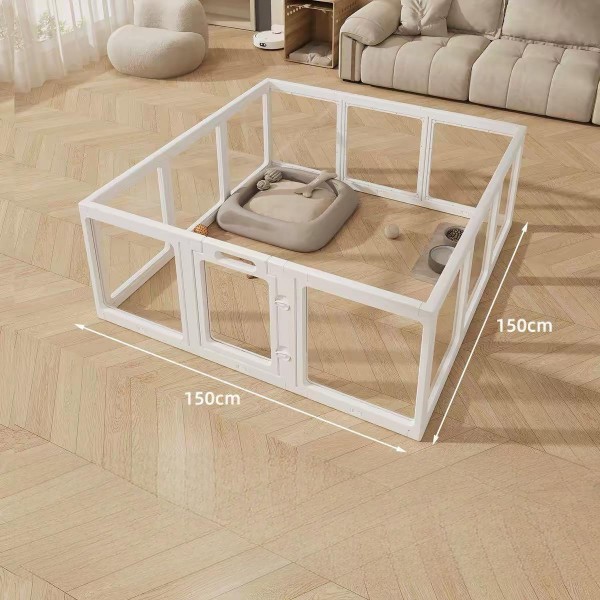
The best dog playpen for small dogs is not simply the smallest model. It should feel safe, stable, easy to clean, and suitable for real home use.
For B2B buyers, the right small dog playpen should also protect margin after shipping, assembly, and daily use.
The Direct Answer
For most small dogs, a good indoor dog playpen should have stable panels, safe gap spacing, a reliable door, and floor-friendly base support.
A 24-inch or 30-inch dog playpen can work for many calm small dogs. Active jumpers, puppies, or clever climbers may need a taller layout.
I would not choose a small dog playpen by height alone. I first check whether the small dog can stay safely inside without the product feeling heavy in the room.
The best version balances three things: pet safety, home appearance, and easy daily care.
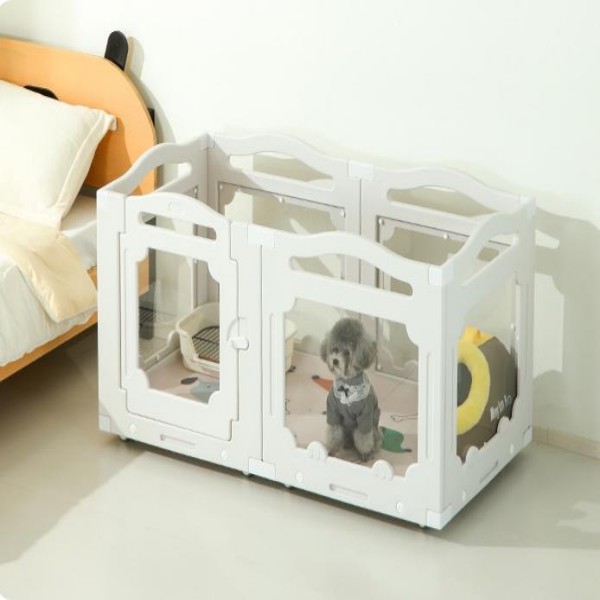
Why Small Dogs Need a Different Buying Standard
Small dogs do not always need heavy-duty containment. But they still need thoughtful design.
A tiny dog can slip through wide gaps. A playful puppy can push weak panels or chew low connectors.
A small dog playpen also sits inside living spaces more often. That means appearance, floor protection, and easy cleaning matter more.
For your market, this creates a specific product opportunity. You are not selling a smaller fence. You are selling a safe, home-friendly pet zone.
What Pet Owners Really Want
Pet owners with small dogs usually want control without making the room feel crowded.
They may use a small dog playpen for a puppy area, a feeding zone, a rest corner, or short supervised time. They may also use a modular dog playpen to protect sofas, rugs, wires, or children’s play areas.
The product must feel easy to live with. If the dog playpen scratches floors, slides, traps hair, or looks harsh, the end user may stop using it.
This is why the best small dog playpen should work with the home, not against the home.
Commercial Value for B2B Buyers
Small dog playpens fit clear use scenes: apartments, puppy corners, family rooms, and senior-dog areas. That makes the category easy to position across retail, private label, and pet service channels.
Mats, spare connectors, add-on panels, beds, and bowls can extend the range without changing the core product.
My Buying Lens for Small Dog Playpens
When I review a small dog playpen, I do not start with color. I start with escape risk and daily use.
I check whether small paws, noses, or heads can enter unsafe gaps. Then I check whether the base slides when a dog leans against the panels.
After that, I check whether pet owners can clean the product easily. Hair, water, food, and training accidents are part of daily life.
| Buying Point | What I Check | Why It Matters |
|---|---|---|
| Gap spacing | No unsafe openings for small dogs | Reduces escape and injury risk |
| Panel height | Matches dog size and jumping behavior | Reduces return risk |
| Base support | Anti-slip feet or stable connectors | Protects floors and trust |
| Door access | Easy feeding, cleaning, and entry | Improves daily use |
| Material | Easy-clean and suitable for behavior | Supports product positioning |
| Packaging | Protected panels and clear parts | Protects margin after shipping |
This is the framework I would use before sampling. A cute small dog playpen is not enough if these points fail.
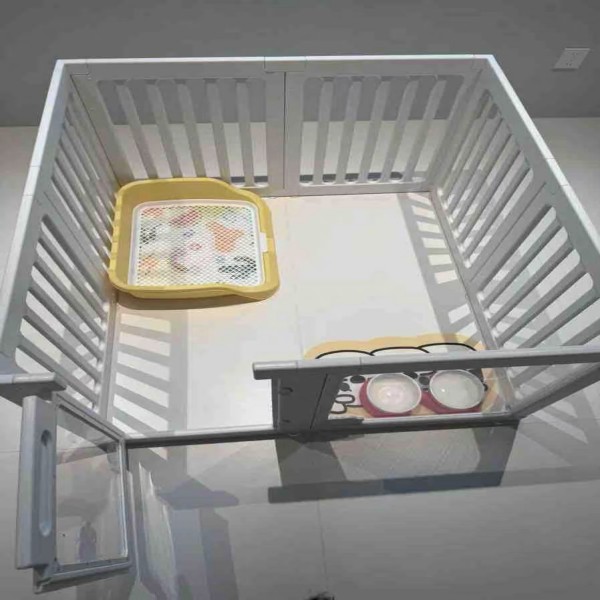
Panel Height Should Match Behavior
Many small dog playpens use lower panels because small dogs are short. That can work, but only for calm dogs.
A 24-inch layout may suit calm small dogs and supervised puppy use, while 30-inch or 36-inch options can make more sense for active dogs or jumpers.
I would not present one height as perfect for every small dog. Two clear height options are often easier to sell than a confusing size range.
Gap Spacing Is Critical for Small Dogs
Gap spacing matters more for small dogs than many buyers expect.
Wide bars or large panel openings can create escape risk. Small puppies may push paws or noses into spaces that look harmless.
For metal systems, check bar spacing and lower frame design. For plastic, composite, or transparent panels, connector gaps, bottom clearance, corner openings, and latch gaps matter just as much.
Archova reviews the connected panel layout as a full system because small dogs often test the lowest points first.
Stability Matters Even for Tiny Dogs
A small dog may not be heavy, but a small dog can still push, jump, scratch, or lean.
A lightweight dog playpen may slide on tile, wood, or vinyl flooring. This can make the product feel unsafe.
For indoor use, anti-slip feet, suction bases, or floor protectors can improve the experience. The right option depends on the floor surface.
Closed square or rectangular layouts often feel more stable. Long divider layouts usually need extra support.
I usually test stability from low pressure points. Small dogs push near the bottom, so base support matters.
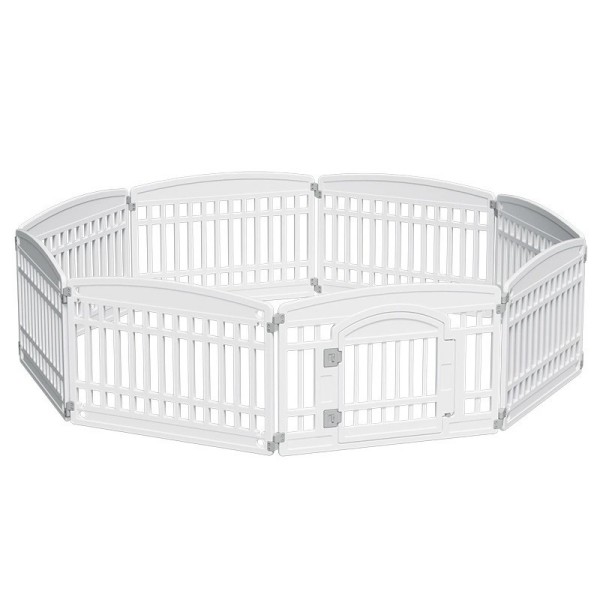
Material Should Match the Use Scene
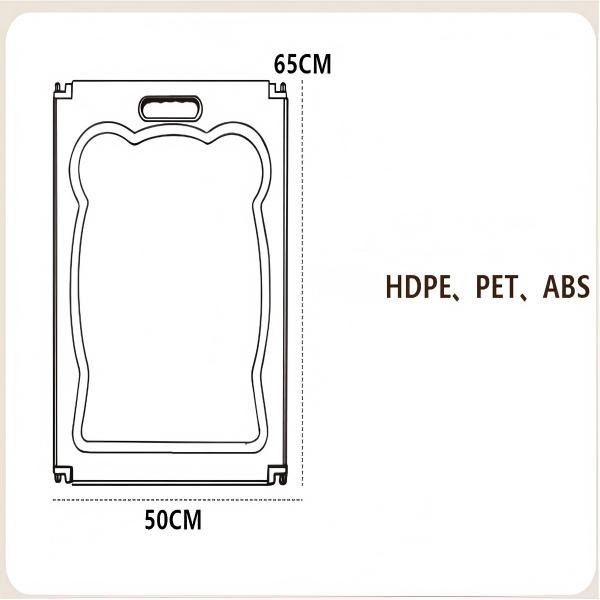
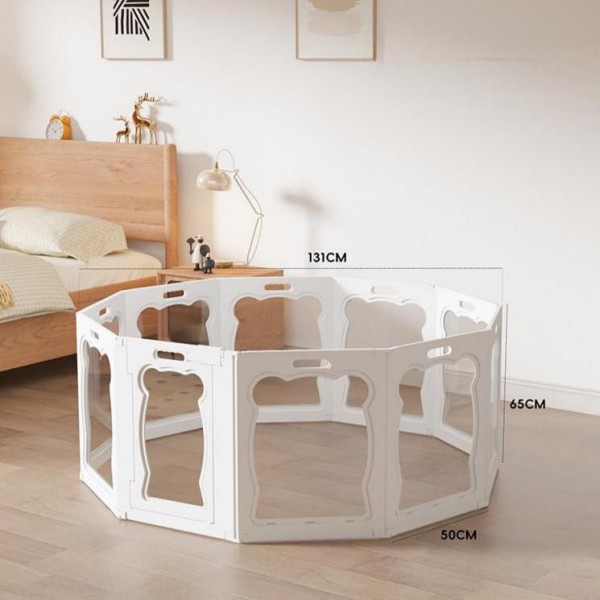
Plastic or composite systems can feel softer indoors and easier to clean. Metal works when visibility, strength, and foldability matter, while transparent panels support a more premium home look.
I would choose material by market position, not only price. Each direction still needs safe gaps, stable corners, and realistic cleaning or scratch expectations.
Cleaning Should Be Easy From Day One
Puppy training, feeding, and daily rest create hair, crumbs, water, pads, and accidents. Smooth panels, simple lower edges, removable mats, and connectors that do not trap dirt make the product easier to keep in use.
Door Design Can Change Daily Use
For small dog playpens, door access can be more important than panel height. Pet owners may need to clean, feed, and adjust bedding often.
A door panel should open smoothly and close securely. The latch should not feel loose or difficult.
A low threshold can help small dogs enter more easily. But the door design should still reduce escape risk.
For B2B buyers, door quality affects product trust. A weak door makes even a nice-looking dog playpen feel cheap.
I always test the door panel several times before judging the full product.
Indoor Appearance Matters for Small Dog Products
Small dog playpens often stay beside sofas, kitchens, beds, or balcony doors. Clean lines, softer colors, and home-friendly panel shapes help the product feel like part of the room rather than a kennel.
Packaging and Small Parts Affect Real Profit
Small dog playpens often include panels, clips, suction cups, door parts, or floor pads. Missing or damaged parts can stop assembly and turn into real after-sales cost.
I treat small-part organization and panel protection as product quality. Archova reviews connector bags, instructions, carton protection, and spare-part logic before bulk production.
Private Label Opportunities for Small Dog Playpens
For a first private-label order, I would start with color, packaging, part labels, naming, and accessory bundles. Those changes are easier to test than a complex structural redesign.
How to Build a Product Line Around Small Dogs
A small-dog line can connect the playpen with a soft bed, washable mat, pet gate, or low-entry senior accessory. Keep the products tied to one home-use scene rather than adding unrelated items.
When a Small Dog Playpen Is Worth Adding
A small dog playpen is worth adding when your market includes apartments, puppies, senior small dogs, or home-focused pet owners.
The product is also worth adding when you want accessory growth. Mats, add-on panels, spare connectors, and beds can build repeat value.
I would be careful if the dog playpen slides easily, has unsafe gaps, or includes confusing connectors. Those problems create after-sales pressure quickly.
The best small dog playpen should pass five tests. It should be safe, stable, easy to clean, easy to assemble, and suitable for visible rooms.
Archova helps buyers review material, panel height, gap spacing, connector design, packaging, and product grouping together. This makes the dog playpen easier to sell, ship, and reorder.
FAQ
What is the best dog playpen for small dogs?
Look for safe gaps, stable panels, a reliable door, easy cleaning, and a height matched to behavior.
What height is best?
A 24-inch layout may suit calm small dogs, while 30-inch or 36-inch options can suit more active dogs or jumpers.
Are plastic dog playpens good for small dogs?
They can work well indoors when the structure is stable and the dog is not a strong chewer.
Are metal dog playpens better?
Metal can offer strength, visibility, and foldability. Bar spacing, coating, and floor contact still need review.
Can small dog playpens be used for puppies?
Yes, when gaps, height, material, and cleaning access match puppy behavior.
Is this category suitable for private label?
Yes. Color, packaging, mats, and accessory bundles create useful differentiation without overcomplicating a first order.
How does Archova support small dog playpen projects?
Archova reviews material, height, gaps, connectors, door access, packaging, and collection planning.
Conclusion
The best small dog playpen controls gaps, base movement, door access, cleaning, and assembly without making the room feel like a kennel.
Match height to behavior first, then build the material, packaging, and accessory plan around the same use scene.
References