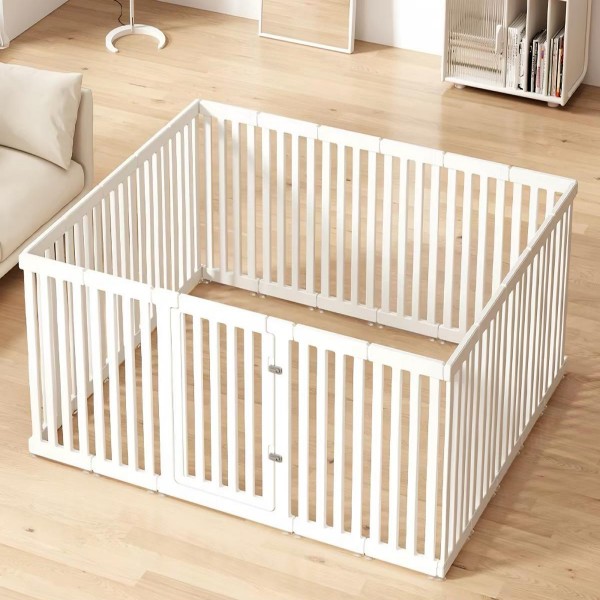
Yes, plastic dog pens can be used outdoors, but only when the product matches the dog, the weather, and the ground surface.
For your business, the better question is not “can it go outside?” It is “can it perform outdoors without creating complaints?”
The Real Buyer Motivation
Pet owners want a temporary outdoor space for patios, gardens, camping, or family gatherings—not panels for their own sake.
Plastic appeals because it is lighter and softer-looking than many metal systems, giving your range an indoor-outdoor convenience story.
Outdoor Use Does Not Mean Permanent Outdoor Storage
This is where many buyers misunderstand the category. Outdoor use and permanent outdoor storage are not the same.
A plastic dog pen can be suitable for supervised outdoor play, short patio use, or temporary garden setups. That does not mean it should stay outside through strong sun, rain, wind, and temperature changes every day.
I would avoid selling plastic pens as all-weather permanent kennels. That promise can create unrealistic expectations.
A safer product message is temporary outdoor use. This protects the pet owner, the pet, and your business reputation.
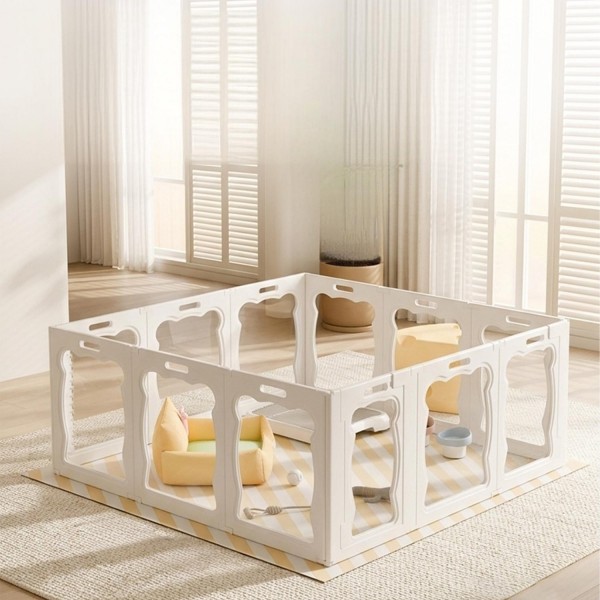
Why Plastic Dog Pens Appeal to Modern Pet Owners
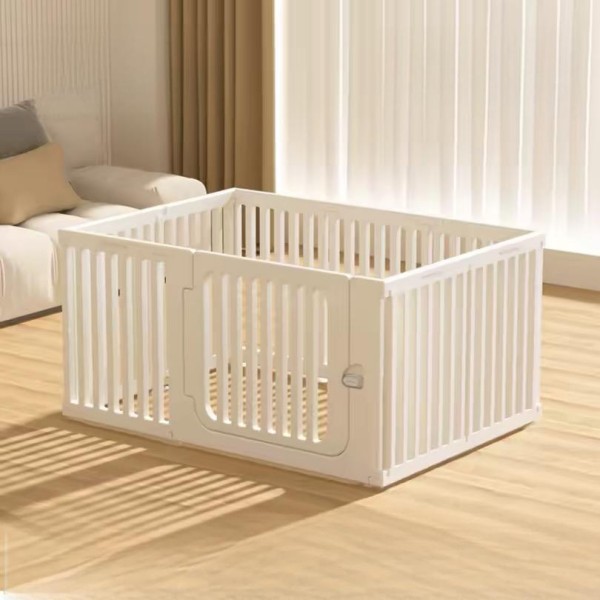
Plastic dog pens often feel more home-friendly than metal pens. The look is softer, and the surface can feel less harsh.
This matters for customers who use one pen across indoor and outdoor spaces. They may move it from the living room to the patio.
Plastic can also be easier to wipe after light outdoor use. Mud, dust, grass, and food residue are part of real daily life.
For your product line, this gives plastic a clear position. It works well when the selling point is flexible home and garden use.
When Plastic Works Well Outdoors
Plastic dog pens can work well outdoors when the dog is calm, small to medium in size, and not a strong chewer.
They also work better on flat, stable surfaces. A patio, deck, clean garden area, or shaded yard is usually easier than uneven soil.
The best outdoor use is supervised, temporary use. This product should not be positioned as a replacement for a heavy permanent kennel system.
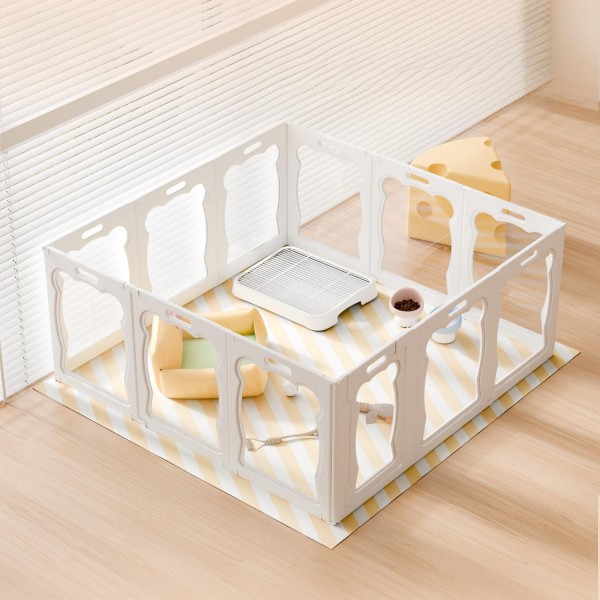
During hot weather, the setup still needs shade, fresh water, airflow, and active supervision.
When Plastic Is Not the Right Outdoor Choice
Plastic is not always the right material. Strong chewers, jumpers, and high-energy dogs can create problems.
Wind is another issue. Lightweight panels may shift if the pen is not stable or anchored.
Long exposure to harsh sunlight can also affect some plastics. This is why material quality and UV resistance matter.
If your customer needs long-term outdoor containment, metal may be more suitable. The product should match real use, not just the buyer’s wish.
My Buying Lens for Outdoor Plastic Pens
When I review a plastic dog pen for outdoor use, I do not start with color or panel shape.
I first check whether the pen can stay stable outdoors. Then I check whether the plastic can handle sun, cleaning, and repeated movement.
Finally, I check whether the product description is honest. A good product line should not oversell the outdoor promise.
| Buying Question | What I Check | Why It Matters |
|---|---|---|
| Can it handle sunlight? | UV-resistant material direction | Reduces aging and discoloration risk |
| Can it stay stable? | Feet, connectors, anchors, panel weight | Reduces movement and tipping |
| Can it suit the dog? | Dog size, chewing behavior, activity level | Reduces misuse and complaints |
| Can it be cleaned easily? | Smooth surface, bottom clearance, panel joints | Improves daily satisfaction |
| Can it ship safely? | Panel protection, carton size, connector packing | Protects margin |
This lens helps you avoid a common mistake. A plastic pen can look attractive, but fail outdoors if the structure is weak.
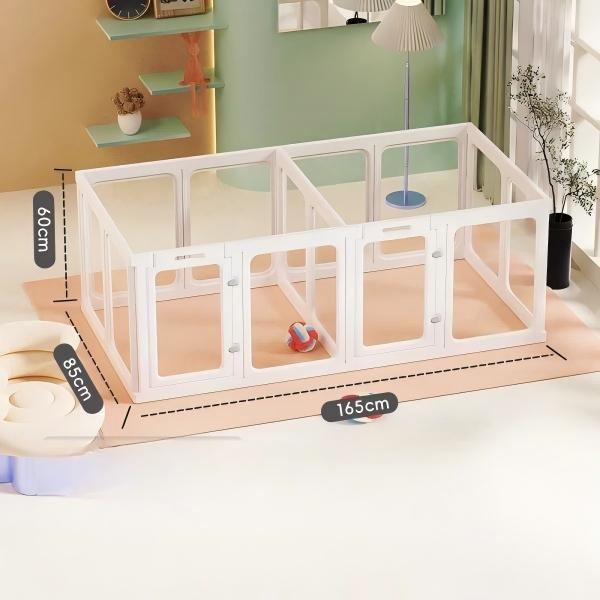
Material Quality Matters More Outdoors
Outdoor use makes material problems appear faster. Sun, heat, rain, dust, and movement all test the product.
For plastic dog pens, buyers should ask about the material direction. UV-resistant plastic or stronger composite material is better for outdoor positioning.
Thin panels may look fine indoors, but bend or age faster outside. Weak connectors can also become a service problem.
For outdoor-related projects, Archova treats material choice, UV exposure, panel stiffness, and connector design as one product decision. The pen should support real use, not only product photos.
Stability Is the First Outdoor Risk
A plastic dog pen must stay where the owner places it. If it slides, opens, or tips, the customer will lose confidence.
Outdoor surfaces are not always friendly. Grass, tile, deck boards, and uneven ground all behave differently.
This is why panel connection matters. Feet, corner strength, anti-slip details, and optional ground stakes can improve the experience.
For B2B buyers, stability is not only a safety point. It directly affects reviews and repeat orders.
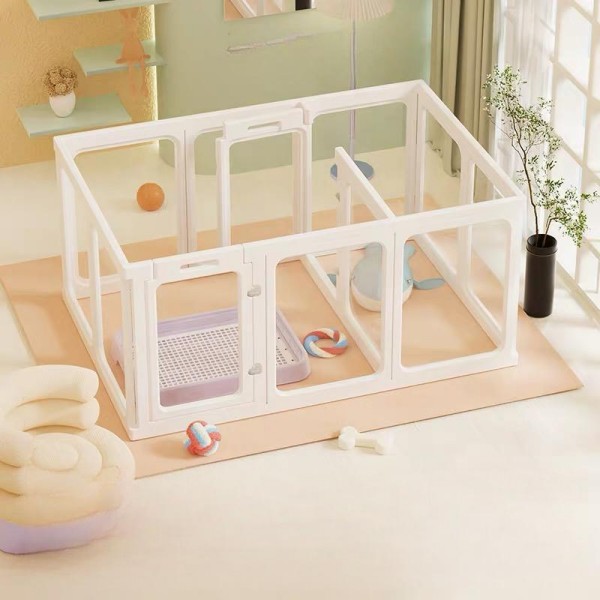
I would never judge an outdoor pen only by panel height. Stability at the base is often more important.
Wind and Ground Surface Need Clear Guidance
Outdoor customers often use dog pens in different places. Some use them on patios, while others use them on grass.
A lightweight plastic pen may work well on a calm patio. It may not work well in windy open space without extra support.
This is why product guidance matters. Your customer should know where the pen is suitable and where it needs caution.
Clear use guidance reduces complaints and helps prevent misuse. Archova can turn the same limits into packaging notes, product information, and private-label positioning.
Chewing Risk Should Be Communicated Honestly
Plastic is not the best choice for every dog. Puppies and anxious dogs may chew the panels.
This does not make plastic a bad material. It means the product needs the right user and the right message.
A calm adult dog may use a plastic pen very well. A strong chewer may need a metal pen or stronger containment option.
I would avoid saying any plastic pen is chew-proof. Honest wording builds more trust.
For your business, this prevents the wrong customer from buying the wrong product. That is also part of good B2B sourcing.
Cleaning Is a Strong Selling Point
Outdoor pens get dirty quickly. Grass, dust, paw marks, spilled water, and food residue are normal.
Plastic has an advantage here when the surface is smooth. Many customers like products they can wipe or rinse.
The panel joints should not trap too much dirt. The lower edges should also be easy to clean after outdoor use.
This gives you a strong selling angle. A plastic dog pen can be positioned around easy daily care.
Archova reviews cleaning access together with panel structure. A product that cleans well is easier to recommend again.
Appearance Still Matters Outdoors
Patios, balconies, and garden areas are still visible home spaces. Clean panels, rounded edges, and softer colors can make plastic feel less industrial than metal.
Packaging and Connectors Can Decide Profit
Plastic panels can be bulky. They may also scuff, crack, or bend during shipping if packing is weak.
Connectors, door parts, and hardware bags must be protected clearly. Missing or damaged connectors can make the whole pen unusable.
This is why packaging is part of the product. It protects both the customer experience and your margin.
Before ordering, check carton size, panel stacking, corner protection, and connector packing. A low unit price is not enough.
Archova considers packing logic early for modular pet products. The goal is to help the product arrive ready for real use.
Private Label Should Match the Outdoor Promise
Private label should match the real use limit. An indoor-outdoor easy-clean or patio-friendly line for calm dogs is stronger than an exaggerated all-weather adventure claim.
How Plastic Pens Fit a Wider Product Line
For indoor-outdoor living, pair the pen with practical products such as washable mats, travel beds, cooling options, or easy-clean accessories. Keep the collection tied to the same patio, garden, or travel use scene.
When Plastic Outdoor Pens Are Worth Adding
Plastic dog pens are worth adding when your market values lightweight handling, easy cleaning, and softer home style.
They are also worth testing when your customers need flexible indoor-outdoor use. This can work well for patios, gardens, balconies, and travel homes.
They are not worth pushing as permanent outdoor kennels. They are also not the best first choice for strong chewers or high-energy dogs.
If you position them honestly, they can become a useful product line. If you oversell them, they can create avoidable after-sales pressure.
Archova helps buyers review material, stability, cleaning, packaging, and product positioning before bulk orders. That makes the outdoor promise safer and more commercial.
FAQ
Can plastic dog pens stay outside all the time?
They are better for temporary outdoor use than permanent storage through sun, rain, wind, and temperature changes.
Are plastic dog pens safe outdoors?
They can be when the dog is suitable, the ground is stable, and use is supervised.
Do plastic dog pens need UV-resistant material?
Outdoor positioning should account for UV exposure, heat, moisture, and material weathering.
Are plastic pens better than metal outdoors?
Not always. Plastic is lighter and more home-friendly; metal is often better for stronger containment and longer outdoor use.
Can plastic pens be used on grass?
Yes, but uneven ground, wind, anchoring, and dog activity all affect stability.
Are they good for puppies outdoors?
They can work under supervision, but teething and chewing behavior need careful consideration.
How should B2B buyers position them?
Position them as lightweight, easy-clean, supervised indoor-outdoor pens rather than permanent kennels.
Conclusion
Plastic dog pens can work outdoors when use is temporary, supervised, and matched to the dog, weather, and ground surface.
Verify material weathering, base stability, connectors, cleaning, and packaging before you sell the product as indoor-outdoor.
References