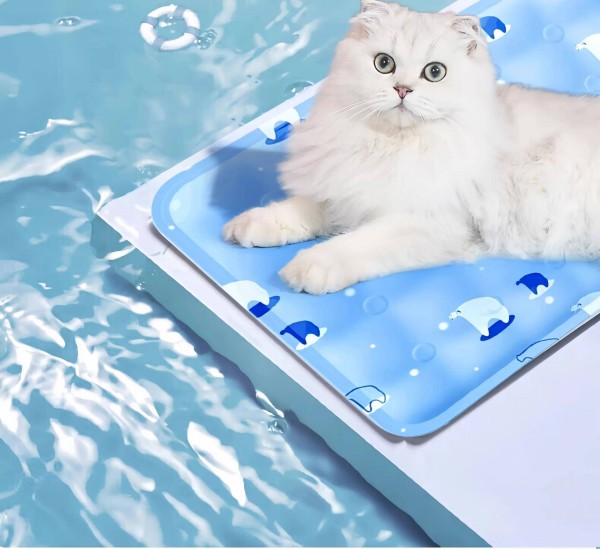
Yes, some cats like cooling mats, but not every cat will use one immediately. Cats are very selective about texture, smell, temperature, placement, and whether they feel in control of the resting spot.
If you are adding cat cooling products to your range, do not think of a cooling mat as a magic summer item. Think of it as a cool resting option that should feel safe, quiet, clean, and easy for a cat to choose on its own.
Why Cats May Ignore a Cooling Mat
Cats do not always choose what looks logical to people. You may place a cooling mat in the perfect spot, and the cat still sleeps next to it.
That does not mean the mat is useless. The surface may feel too cold, slippery, noisy, or unfamiliar.
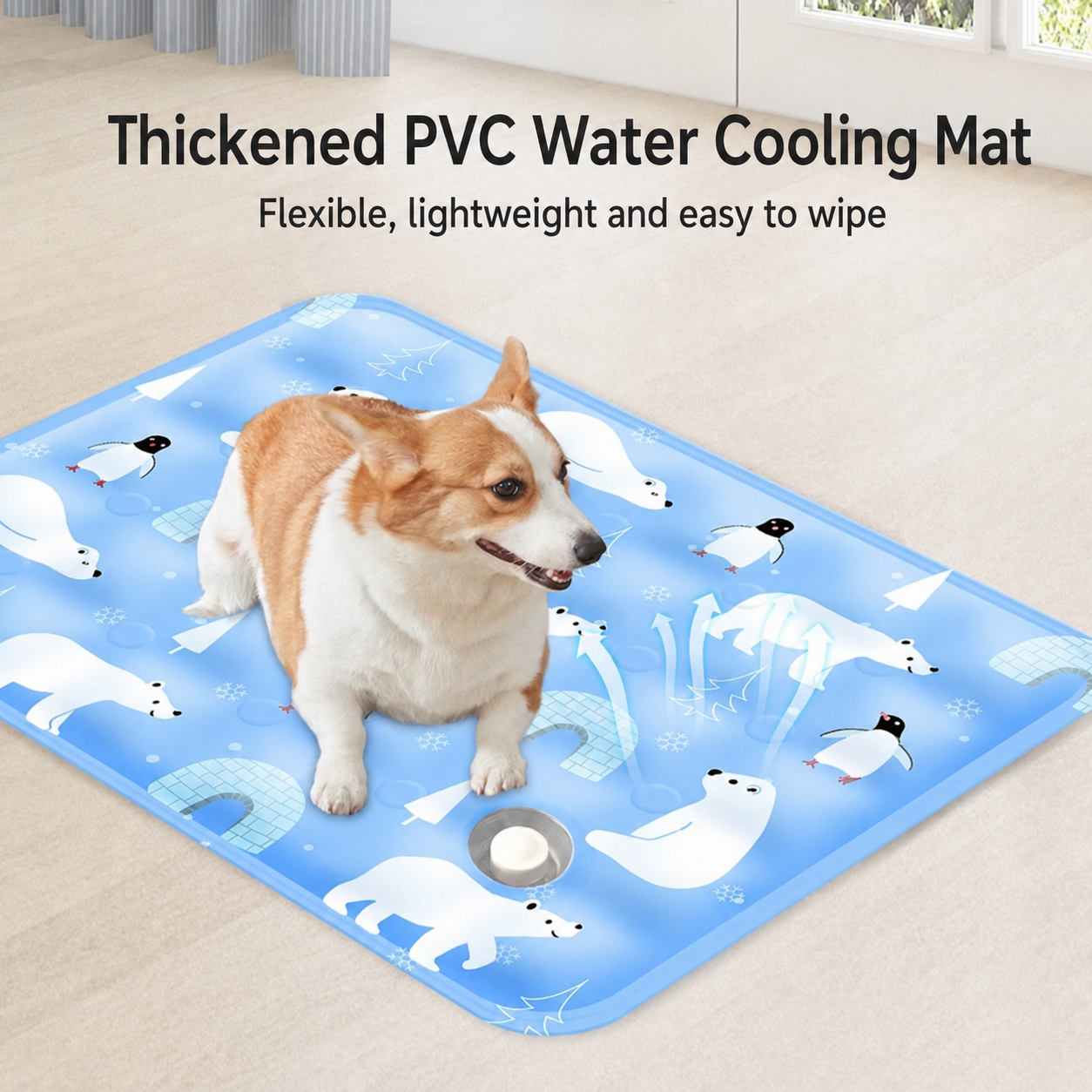
I treat cooling mats as choice-based products. The cat should be able to move on and off freely rather than be forced onto one cooling surface.
When Cats Are More Likely to Use One
Cats are more likely to use cooling mats during hot weather, in warm rooms, near sunny windows, or after resting in a heated area for too long. Long-haired cats, senior cats, overweight cats, flat-faced cats, kittens, and cats with lower heat tolerance may need more cooling options at home.
A cooling mat can create an extra cool resting zone in a warm home. I would not present it as a medical solution; summer comfort and an optional cool resting surface are more accurate claims.
Cats Like Control More Than Cold
Here is the part many people miss: cats do not simply like “cold.” They like control.
A cat may lie on a cooling mat for ten minutes, move away, then return later. That is normal. The product works best when the cat can regulate its own comfort.
This is why a cooling mat should not be the only resting place. It should sit beside other options: a normal bed, a shaded corner, an elevated cot, a woven cat bed, or a cool floor area.
For your product range, this means the cooling mat is strongest as part of a summer comfort collection, not as a single standalone miracle product.
Surface Texture Decides First Acceptance
Cats are sensitive under the paws. A surface that feels too plastic, sticky, crinkly, or unstable can stop them from using the mat.
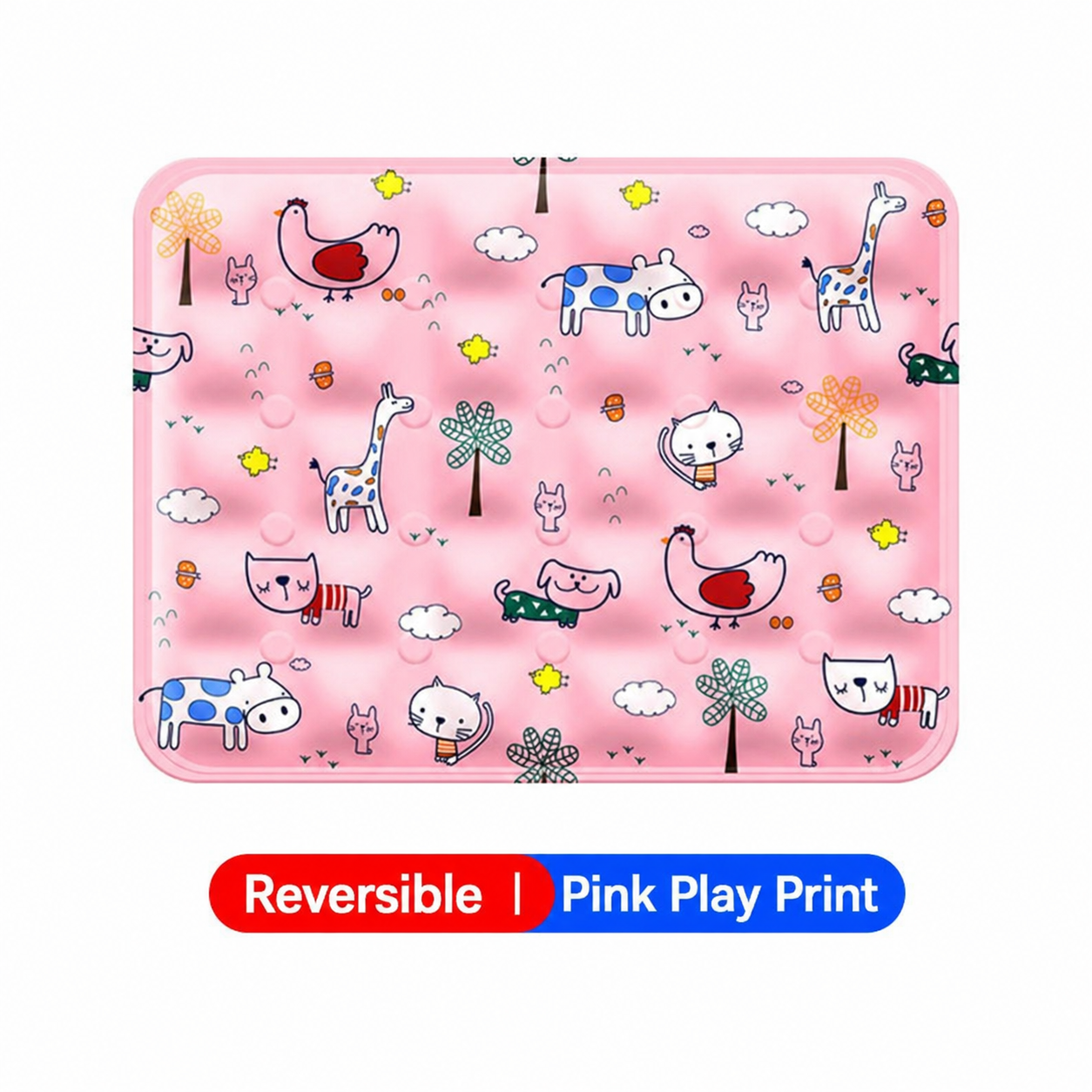
A softer fabric-touch surface can feel more familiar, while a slick surface may be easier to wipe but less pleasant under the paws. I would also avoid noisy or crinkly constructions for cautious cats.
Temperature Should Feel Cool, Not Shocking
A good cat cooling mat should feel gently cool, not icy. Very cold surfaces can be unpleasant, especially for cats that already prefer warm resting spots.
This is why I would avoid positioning frozen or extremely cold products as everyday cat comfort. Cats need safe cooling, not a shock to the body.
For normal home use, a cooling surface should help release heat gradually. The cat should feel comfortable enough to step on it, lie down, leave, and return.
Size Should Match Cat Behavior
A cat cooling mat does not need to be huge, but it should fit how cats actually rest. Some cats curl tightly. Some stretch long in hot weather because they are trying to release heat.
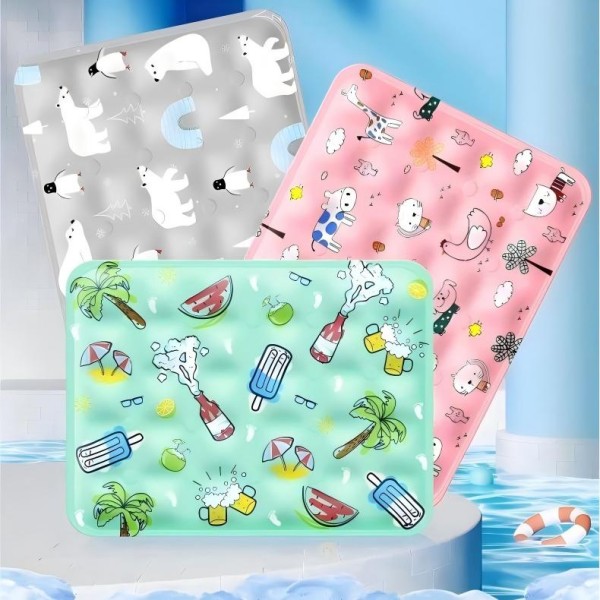
I would choose size by resting posture and placement. Smaller pads suit shelves or carriers, while larger mats make more sense for floor lounging or multi-cat areas.
Placement Can Make or Break the Product
Cats may reject a cooling mat simply because it is placed in the wrong area. A cat that likes the window may ignore a mat placed in the middle of the room. A shy cat may avoid any mat placed in a busy walkway.
The best locations are usually places the cat already trusts: near a favorite nap spot, beside a window area, inside a quiet corner, under a light cat bed cover, or near a shaded resting zone.
I would not keep moving the mat every hour. Cats like familiarity. Give the product time to become part of the space.
Cooling Mats vs Elevated Cat Cots
A cooling mat gives direct cool contact, while an elevated cot increases airflow underneath the body. They solve different comfort problems and can sit in the same summer range.
Cooling Mats vs Wicker or Rattan Cat Beds
Wicker, willow, rattan, and PE rattan add structure, airflow, and home décor value. A cooling mat can sit inside or beside them when the size fits and the cat can leave freely.
Gel, Water, Fabric, or Cooling Pad?
Not all cooling mats feel the same.
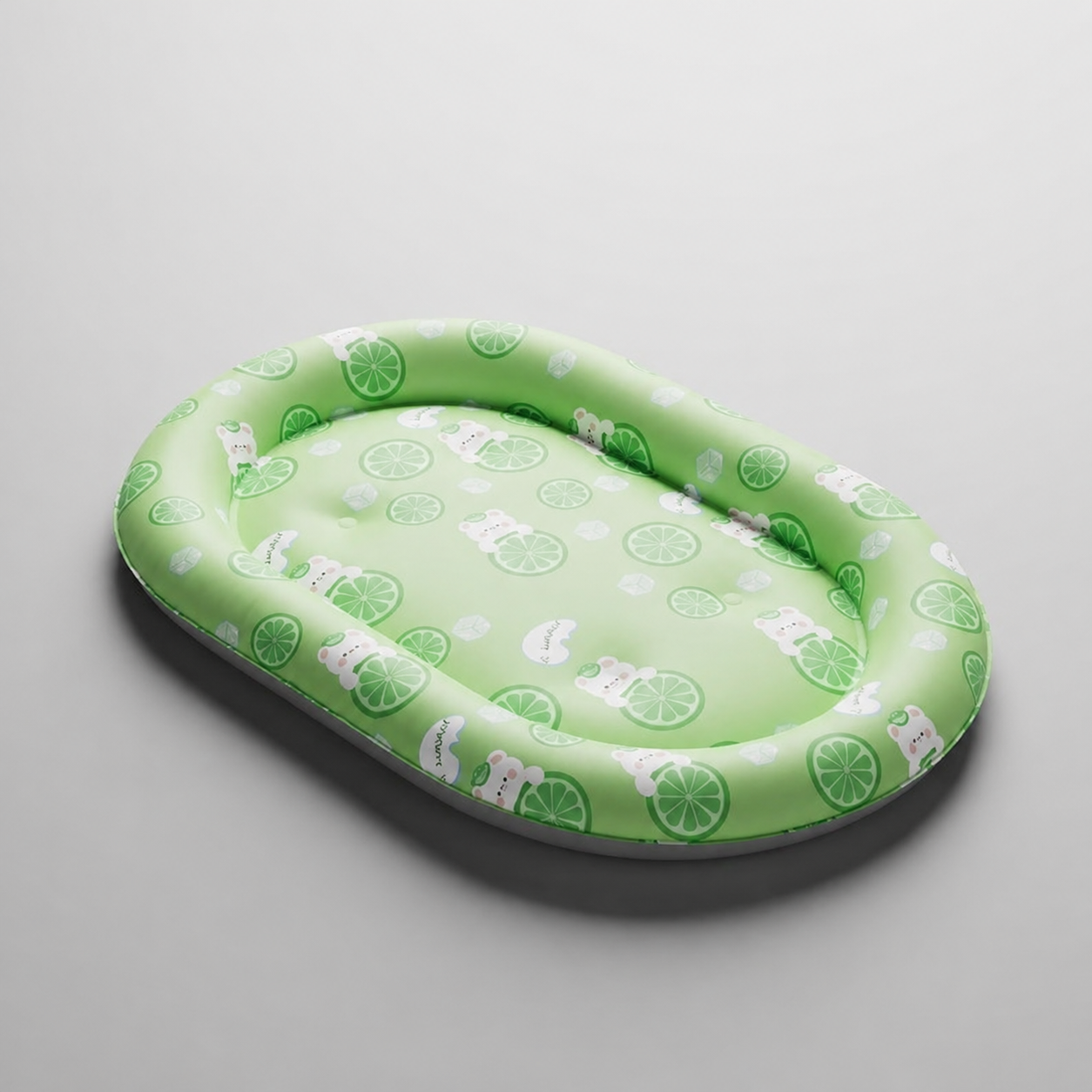
Gel, water-based, fabric, and breathable pads feel different under the paws. I would not call one structure best for every cat; surface acceptance, damage risk, climate, and placement matter more than maximum cooling power.
Safety Comes Before Cooling Power
A cat cooling mat should be safe if used normally, but chewing and scratching can change the risk. If a cat damages the mat, the product should be removed from use.
This matters especially for gel mats or water-filled mats. Cats that bite, knead aggressively, or scratch surfaces may need a tougher fabric layer or a different cooling option.
I would not choose a fragile mat for a cat that already destroys soft products. For these cats, an elevated cot, washable cooling pad, or breathable resting surface may be more practical.
Cleaning Matters Because Cats Notice Smell
Cats care about smell more than many people realize. A mat that holds odor, detergent fragrance, or plastic smell may be rejected.
A good cooling mat should be easy to wipe or clean without leaving strong scent. If it has a fabric cover, that cover should be practical for hair, dust, and occasional washing.
I would avoid heavy fragrance in cleaning. A neutral, clean surface is usually better for cats than a strongly scented one.
Multi-Cat Homes Need More Than One Cool Spot
In multi-cat homes, one cooling mat may create competition. One cat may claim it, while another avoids it.
In multi-cat homes, multiple cool resting options can reduce competition. That may mean one cooling mat plus a shaded perch, elevated cot, tile area, or normal bed rather than several identical mats.
A Practical Cat Cooling Mat Selection Guide
| Cat or Home Situation | Better Cooling Direction | What I Would Check |
|---|---|---|
| Long-haired cat | Cooling mat or breathable pad | Surface comfort and hair removal |
| Senior cat | Soft cooling pad with easy access | Low profile and non-slip feel |
| Flat-faced cat | Cool resting option in quiet area | Gentle cooling and ventilation |
| Warm apartment | Cooling mat plus shaded resting area | Placement and cleaning |
| Cat that dislikes slick surfaces | Fabric-touch cooling pad | Paw feel and noise |
| Cat that scratches or chews | Tougher surface or elevated cot | Damage risk and exposed filling |
| Cat tree or shelf use | Smaller cooling pad | Size, grip, and stability |
| Patio or sunroom use | Elevated cot or PE rattan bed with cooling option | Airflow and wipe-clean care |
This table is not a ranking. It helps match the cooling product to the cat’s behavior and the home environment.
What I Would Avoid
I would avoid very cold products that make the cat uncomfortable. I would also avoid slick, noisy surfaces for cautious cats.
For chewers or scratchers, I would avoid fragile gel mats or any design where damage could expose the inner material. For senior cats, I would avoid thick raised edges or unstable surfaces that make stepping on the mat harder.
I would also avoid treating a cooling mat as the only heat-safety measure. Cats still need fresh water, shade, airflow, and a safe cool room during extreme heat.
How Archova Looks at Cat Cooling Products
Archova looks at cat cooling mats as part of a broader cat comfort and home-living system.
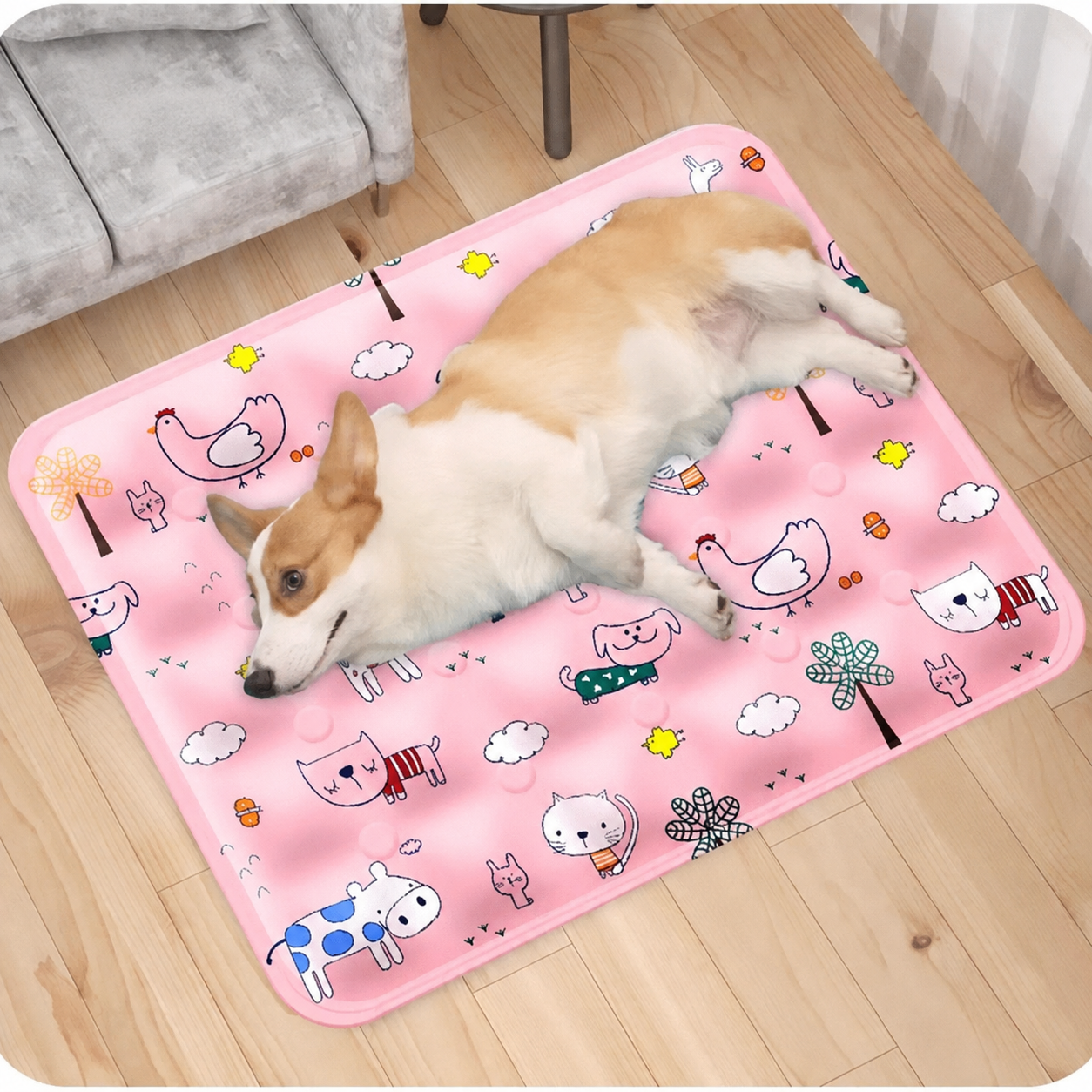
For indoor summer comfort, I would focus on gentle cooling, surface feel, easy cleaning, and sizes that fit trusted resting areas. For woven cat furniture or balcony-inspired use, cooling pads, elevated cots, and breathable surfaces should remain optional choices rather than one forced solution.
When Cat Cooling Mats Are Worth Adding
Cooling mats fit warm climates, apartments, long-haired cats, senior cats, and summer comfort collections. They can also sit naturally beside a felt cat house or felt cat cave when the cat can choose between warm and cool resting surfaces. Add them when the surface, safety, cleaning, and role in the cat’s resting choices are clear.
FAQ
Do cats actually like cooling mats?
Some do, especially in warm conditions. Others reject surfaces that feel cold, slick, noisy, or unfamiliar.
Are cooling mats safe for cats?
They can be when used intact and as intended. Damaged gel or water-filled mats should be removed.
What type is best?
Surface acceptance matters more than the label. Fabric-touch pads may feel more familiar; gel mats may feel cooler but need damage resistance.
Where should you place one?
Use a trusted resting area rather than a busy walkway or exposed location.
Can cooling mats prevent heatstroke?
No single mat should be treated as full prevention. Cats still need water, shade, airflow, and a cool safe environment.
Are they useful for long-haired cats?
They can provide another resting option during warm weather, but comfort and cleaning still matter.
Can they sit inside woven cat beds?
Yes, when the size fits and the cat can leave the cooler surface freely.
Conclusion
Some cats like cooling mats and some do not. Give the cat an optional cooling surface with a texture, size, and placement it is willing to use.
For your range, prioritize acceptance, damage safety, cleaning, and realistic heat-comfort claims.
References