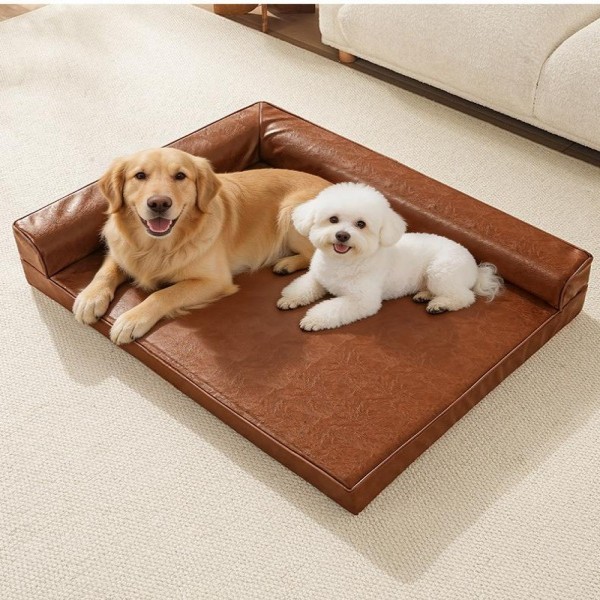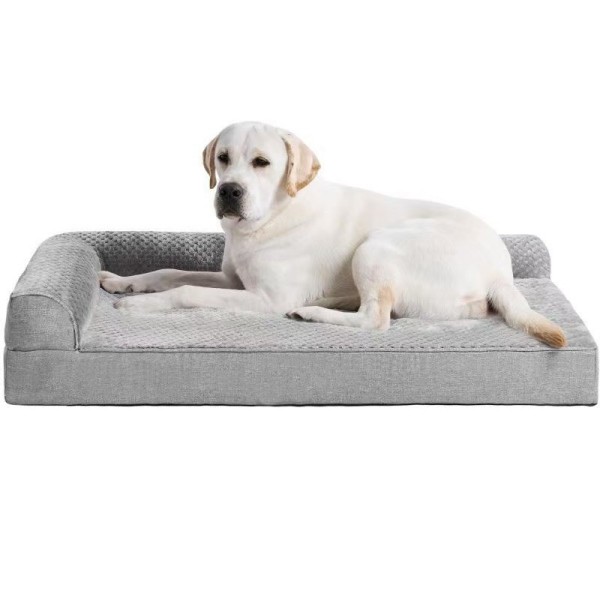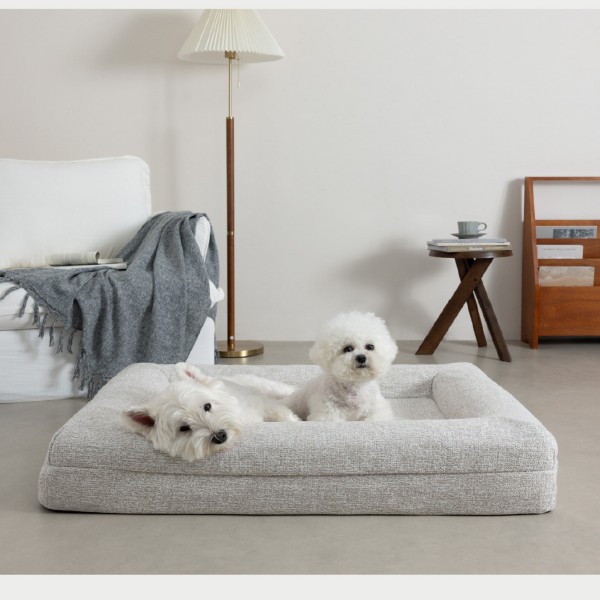
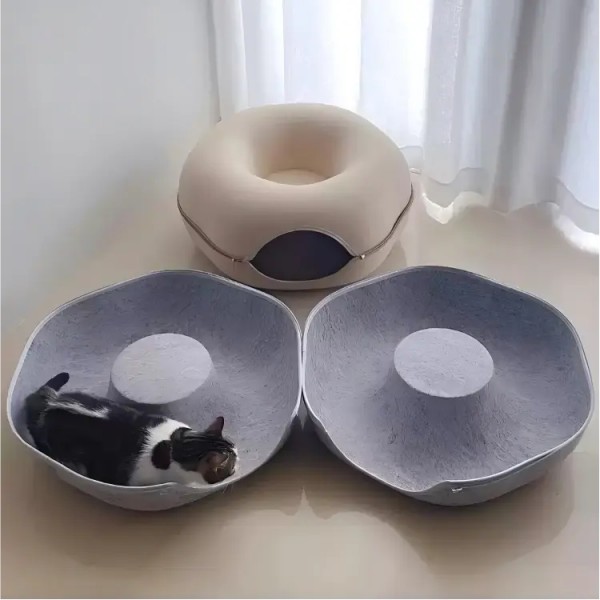
Some cats love enclosed beds. Some cats ignore them completely and sleep in an open basket nearby.
That is the honest answer. The better question is whether the bed matches how a cat rests, hides, watches, warms up, and enters the space.
The Simple Answer
Choose enclosed for privacy and cover, open for easy access and room visibility, and semi-open when you want the broadest starting point.
Semi-open shapes often reduce the risk of making the bed feel too exposed or too enclosed.
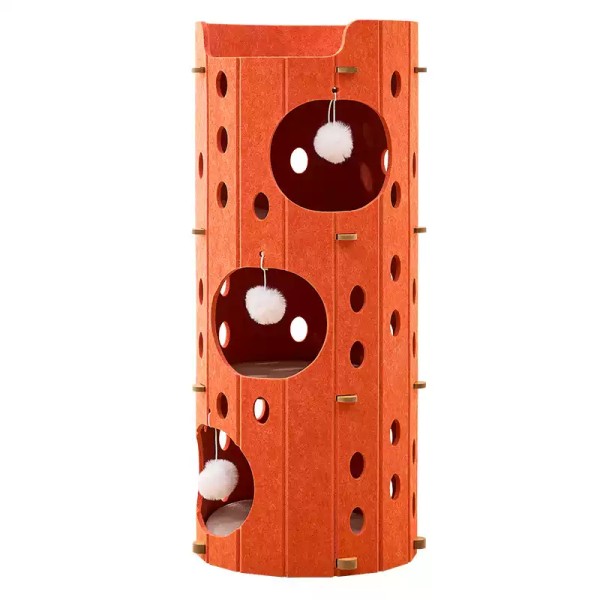
What Pet Owners Care About First
The quiet question behind the purchase is simple: “Will my cat use it?” Entry, texture, warmth, height, safety, and room appearance all influence that answer.
Why Some Cats Like Enclosed Beds
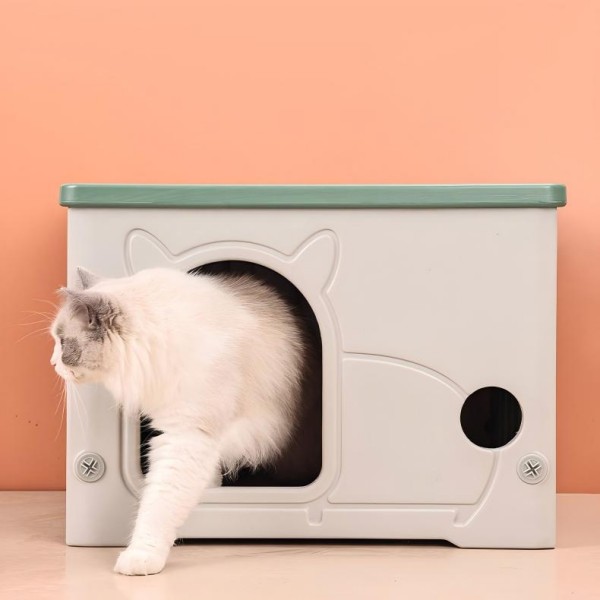
Enclosed cat beds give cats a private resting place. That can feel comforting in busy homes, multi-pet homes, or colder rooms.
A cave-style bed, dome bed, wicker cat house, or covered basket can help a cat feel less exposed. The cat can retreat, rest, and still listen to what is happening nearby.
Here is the part I would check first: the entry opening. If the opening is too small, too high, too dark, or awkward, the cat may never go inside.
A beautiful enclosed bed can fail right there. The entrance is not a small detail; it is the invitation.
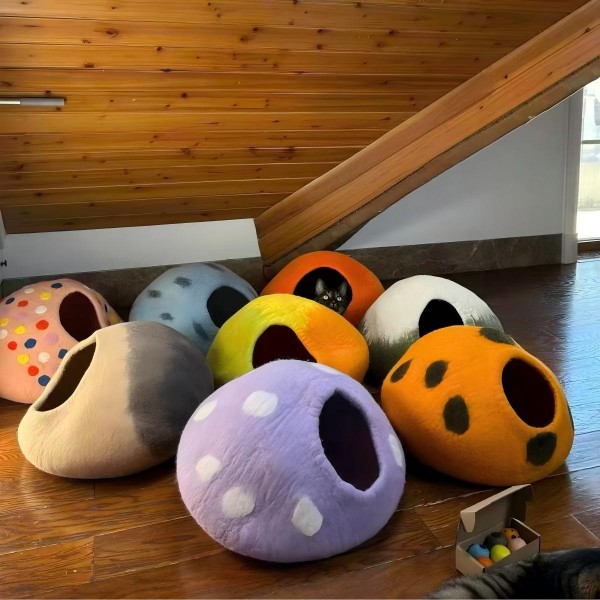
Why Some Cats Like Open Beds
Open cat beds often work better for confident cats. These cats want comfort, but they still want control over the room.
An open wicker cat bed, rattan basket, low-edge lounger, or raised open bed lets the cat stretch and observe.
Open beds also work well for older cats or heavier cats that dislike stepping into deep openings. Easy access can matter more than a cozy shape.
I would be careful with deep enclosed styles for senior cats. They may look adorable in photos, but daily use can become frustrating.
Semi-Open Beds Often Make the Most Sense
Semi-open beds are worth serious attention. They give cats a boundary without fully hiding them.
A low wicker basket with raised sides, a half-dome shape, or a woven bed with a wide opening can fit many homes and many cat personalities.
For your product line, a semi-open shape can reduce the risk of “my cat will not use it.” It does not fit every cat, but it gives your market a broader starting point.
Cat Personality Changes the Answer
A shy cat may choose cover, while a social or sun-loving cat may prefer an open bed. A stronger collection gives pet owners open, semi-open, and enclosed choices instead of assuming one universal preference.
Room Location Matters More Than People Think
A good bed in the wrong place can still fail. Open beds often suit visible calm areas, while enclosed beds make more sense where the cat can retreat from noise and traffic.
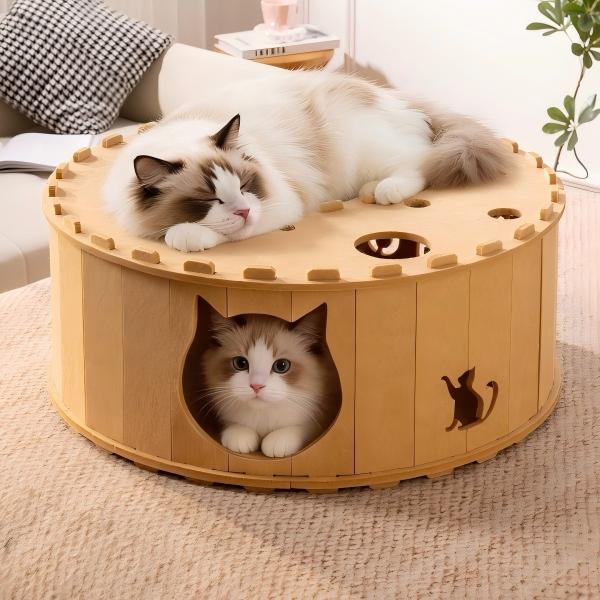
Material Changes the Feeling
Material changes how the bed feels, how it looks, and how easy it is to maintain.
Natural rattan supports a refined furniture look, willow feels warmer and more basket-like, and PE rattan offers a more controlled wipe-clean woven direction.
None is automatically best. The right material depends on your price position, room style, maintenance expectation, and the cat’s contact with the weave.
Open Beds and Woven Materials
Open wicker, rattan, willow, or PE rattan beds can feel airy and easy to enter. Check the rim, inner surface, loose strands, and sharp ends as carefully as the overall look.
Enclosed Beds and Woven Materials
Enclosed woven beds add privacy without the visual weight of a solid shell. Entry size, inner height, airflow, and turning room matter more than the dome shape itself.
The Entry Opening Is the Real Test
For enclosed and semi-open beds, the entry opening is where the decision often happens.
If the entry feels inviting, the cat may explore. If the entry feels tight or strange, the cat may walk away.
A wide opening can feel safer for nervous cats. A lower opening can help older cats or short-legged cats.
For open beds, edge height plays the same role. I check entry shape before color because color helps sell the product, while entry helps the cat use it.
A Practical Shape Comparison
Use this as a quick guide when planning your cat furniture collection.
| Bed Shape | Best Fit | What to Watch |
|---|---|---|
| Open cat bed | Confident cats, window loungers, easy access | Too flat may feel ordinary |
| Enclosed cat bed | Shy cats, colder rooms, quiet corners | Entry may feel too tight |
| Semi-open cat bed | Broader home use and nesting behavior | Shape must stay stable |
| Wicker or rattan basket | Natural home style and airflow | Rough weave or tight space |
| PE rattan cat bed | Easier wiping and color consistency | It should still feel warm enough |
| Willow cat basket | Cozy, soft, traditional look | Shape protection during shipping |
This table is not a rulebook. It is a practical filter before you fall in love with a product photo.
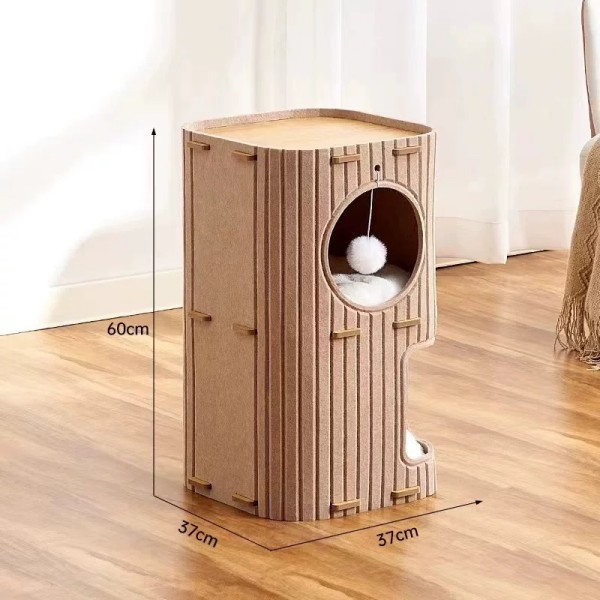
Comfort Is Not Only Softness
Cat comfort also depends on shape, heat, height, texture, and security. For Archova, frame, entry, weave, and structure come before decorative padding.
Scratching and Chewing Should Be Expected
Some cats scratch or bite woven edges, so I would not describe wicker, rattan, willow, or PE rattan as scratch-proof or chew-proof. Keep scratching functions with products designed for that behavior.
Cleaning Is Different for Open and Enclosed Beds
Open beds expose hair and crumbs more clearly; enclosed beds can hide buildup. PE rattan supports easier wiping, while natural rattan and willow usually need gentler dry indoor care.
Packaging Can Decide the First Impression
Open baskets can deform at the rim, while enclosed houses can collapse or flatten. Shape protection matters because a bent basket or crushed dome looks wrong before the cat uses it.
How to Build a Smarter Cat Bed Collection
A strong cat bed collection should not force one preference.
A balanced collection can include an open wicker bed, a semi-open woven basket, and an enclosed hideaway. A felt cat cave can cover the softer enclosed direction without replacing the woven styles. Add PE rattan for easier care and controlled color; use willow or natural rattan when warmth and boutique display matter more.
Private Label Should Match the Cat’s Use Scene
Private label should not begin with only a logo. For cat beds, the shape itself carries the brand feeling.
Private label should start with visible, practical details: weave style, material direction, entry shape, color tone, care card, and carton design. Those choices communicate privacy, lounging, or semi-open comfort without making the first order too complicated.
How Archova Supports This Category
Archova reviews frame shape, entry opening, inner space, woven finish, cleaning access, packaging, and practical private-label direction together. The goal is a planned cat furniture range, not isolated decorative baskets.
Where I Would Be Careful
I would avoid tiny openings, rough interior weaving, weak shape retention, or packaging that lets the product deform. These details affect real use more than a styled product photo.
When Open Cat Beds Are Worth Adding
Open beds fit confident cats, window loungers, senior cats, and homes that value easy access. The product still needs enough edge, texture, or structure to feel more considered than a basic mat.
When Enclosed Cat Beds Are Worth Adding
Enclosed beds fit privacy, warmth, shy cats, and quiet corners. The opening, inner space, finish, airflow, and shipping shape must all work together.
FAQ
Do cats prefer open or enclosed beds?
Both preferences are common. Confidence, room activity, temperature, and resting style can change the answer.
Are enclosed beds better for anxious cats?
They can help some cats because they provide cover, but the entry and inside space still need to feel easy and safe.
Are open beds better for older cats?
Often, especially when a lower edge reduces the effort needed to enter and leave.
What is a good first shape for a product range?
Semi-open is often a lower-risk starting point because it offers some boundary without full enclosure.
Is wicker suitable for both styles?
Yes, when the weave is smooth, the shape is stable, and the entry or rim suits the cat.
Is PE rattan useful?
Yes, especially when easier wiping and repeatable color matter.
What should buyers check before sourcing?
Entry, usable space, woven finish, frame stability, cleaning access, and packaging protection.
Conclusion
Cats do not have one universal preference for open or enclosed beds. Offer shapes that reflect different resting styles while keeping entry, inner space, finish, cleaning, and packaging practical.
Semi-open is often a low-risk starting point, but a planned range should still give pet owners open and enclosed choices.
References