If you are adding orthopedic dog beds to your product range, the first question is not whether the word sounds premium. The real question is whether pet owners can see, feel, and explain the value after the dog uses the bed.
Yes, orthopedic dog beds can work, but only when they are built around real support, not only soft fabric and thick photos. They do not cure arthritis or replace veterinary care. What they can do is give dogs a more supportive resting surface, reduce pressure from hard floors, and make daily rest more comfortable.
Why This Question Matters for Your Product Range
You are not only choosing a dog bed. You are choosing a product that sits inside a home, carries a comfort promise, and often costs more than a basic cushion.
Pet owners will ask harder questions: is the foam actually supportive, can the cover be cleaned, and will a large dog sink through it?
I treat orthopedic dog beds as a trust product. Flattening, sliding, unclear care claims, or weak support can quickly turn a premium promise into a complaint.
What Pet Owners Are Really Worried About
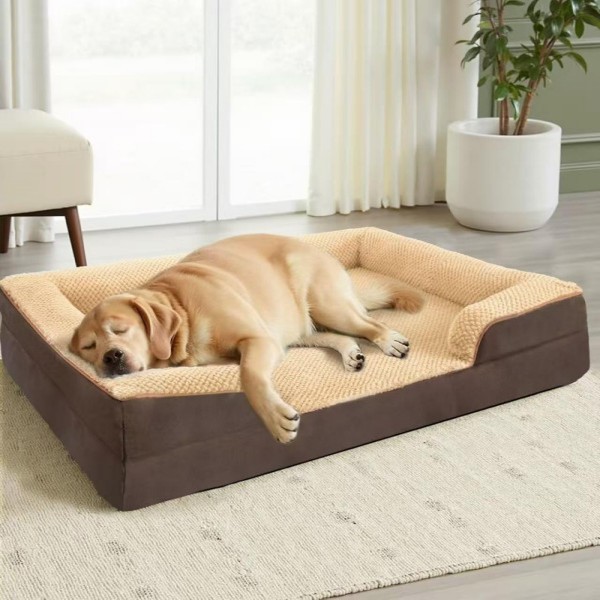
Pet owners usually notice the need at home: the dog gets up more slowly, changes position often, or sinks through a thin cushion.
That is why orthopedic comfort needs a structural explanation. Your range should make support, dog fit, usable area, and care requirements easy to understand.
What an Orthopedic Dog Bed Can Actually Do
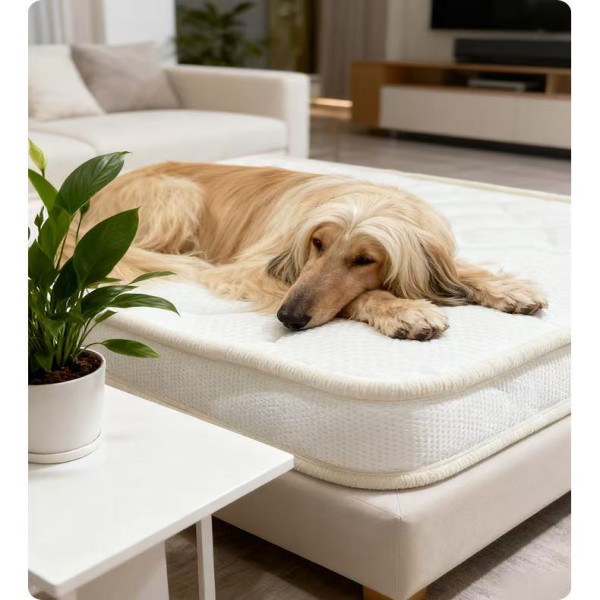
A supportive bed can spread body weight across a larger sleeping surface and provide more cushioning than a hard floor or thin mat. For senior and large dogs, that makes the value easy to understand.
I would describe the benefit as supportive rest and a more comfortable sleeping surface, not treatment.
What It Cannot Do
An orthopedic dog bed cannot treat arthritis, hip dysplasia, injury, spinal disease, or chronic pain. Limping, sudden stiffness, or major behavior changes need veterinary attention.
The bed supports rest; it does not replace professional care, weight control, exercise planning, or mobility support.
When Orthopedic Dog Beds Are Worth It
Orthopedic dog beds are worth it when the dog needs more support than a normal soft bed can offer. This is often true for senior dogs, large breeds, heavier dogs, dogs that rest for long hours, and dogs that look stiff after lying down.
They can also make sense when pet owners want a more stable, easier-care bed instead of replacing collapsed cushions repeatedly.
For your range, support, usable size, cover care, liner protection, and fabric feel create a stronger value story than thickness alone.
My Buying Lens: Do Not Trust the Label Alone
The word orthopedic is often used too loosely. Some products have real support behind the word. Others are simply thick, soft, or dressed in premium fabric.
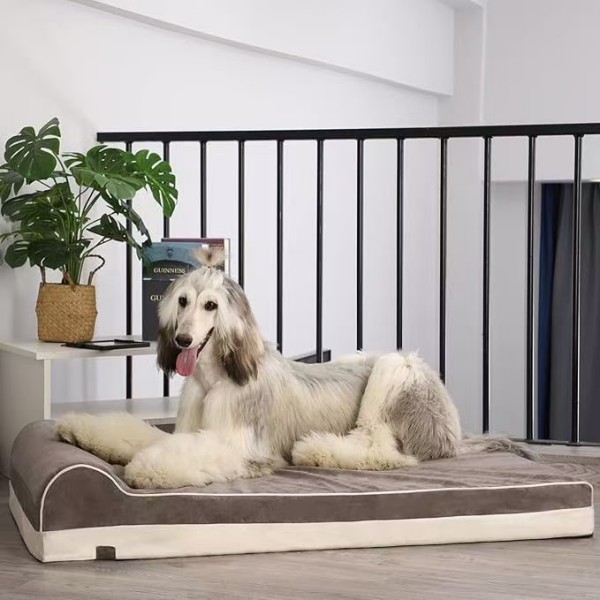
I usually check the structure before the styling. The first questions are simple: does the bed have a supportive core? Is the thickness suitable for the dog size? Is the usable sleeping area clear? Can the cover be cleaned? Does the bed stay steady on the floor?
If a product page only says luxury orthopedic bed but gives no support details, I would slow down. The word should be backed by structure.
Foam Support Matters More Than Softness
A fluffy top can still collapse under a large dog. The surface should feel comfortable while the core keeps the dog supported above the floor.
Memory foam can contour around the body, but a thin layer on a weak base is not enough. Solid or layered foam usually gives a clearer support story than loose filling that can shift.
Size Is Where Many Orthopedic Beds Fail
A supportive bed can still fail if the size is wrong.
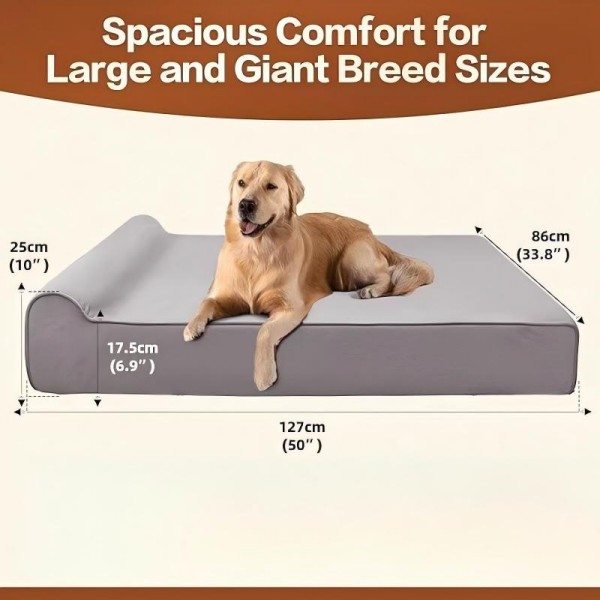
Pet owners need to know whether the dog can stretch, curl, turn, and lie fully on the supported surface. If the dog’s hips or shoulders fall off the bed, the orthopedic story breaks.
This is especially important for bolster beds. The outside dimensions may look large, but the raised sides reduce the flat sleeping area.
I would always show usable sleeping area, not only outer size. This one detail can reduce confusion and help pet owners choose correctly.
Flat Bed or Bolster Bed?
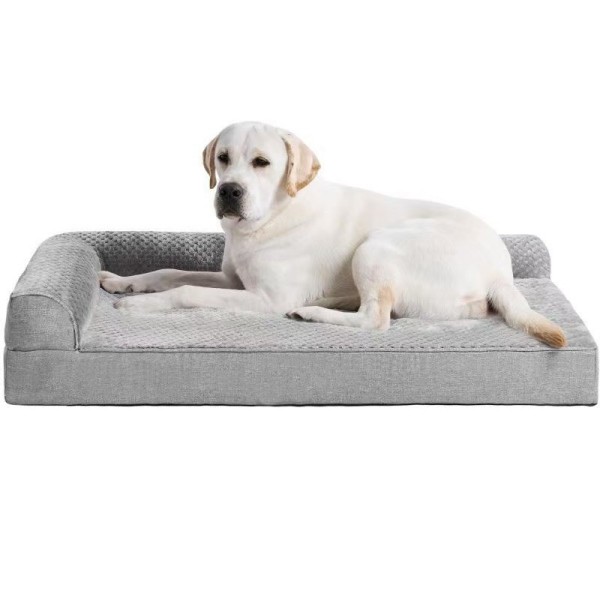
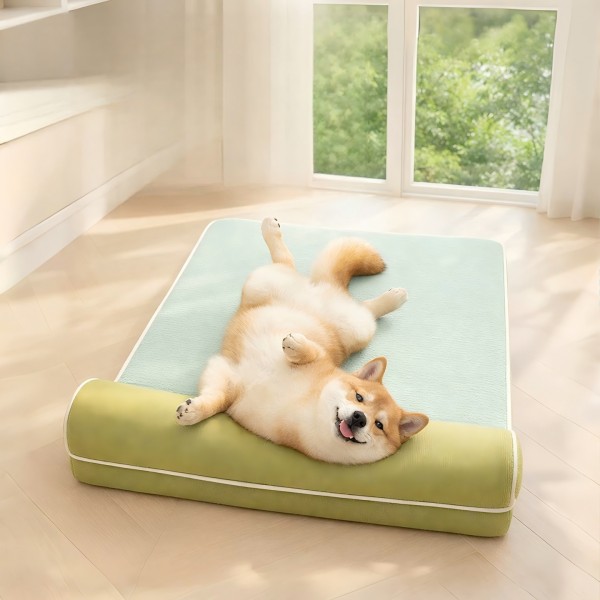
A flat orthopedic bed works well for dogs that stretch out, move around, or need easy entry from every side. It is often a safer starting point for large dogs and senior dogs.
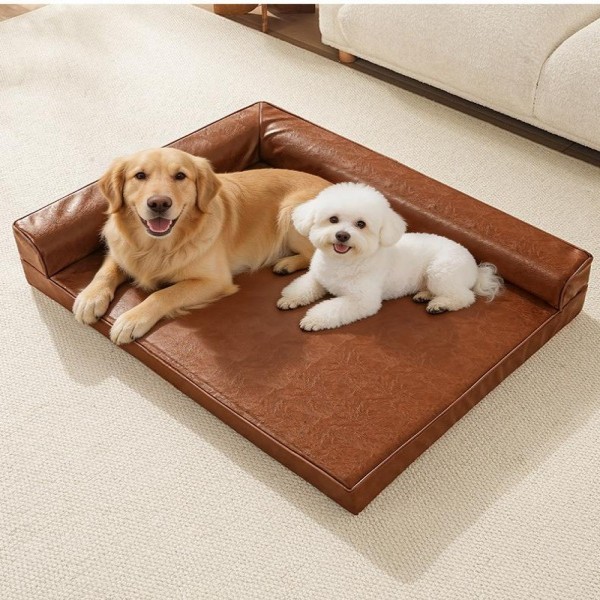
A bolster orthopedic bed works well for dogs that like leaning, curling, or resting the head on a raised edge. It also looks more furniture-like, which can help the bed fit into a living room.
But do not let the sofa look hide the access problem. For older dogs, short-legged breeds, or careful movers, a low-entry side can matter more than a high padded wall.
Cleaning Is Not a Small Feature
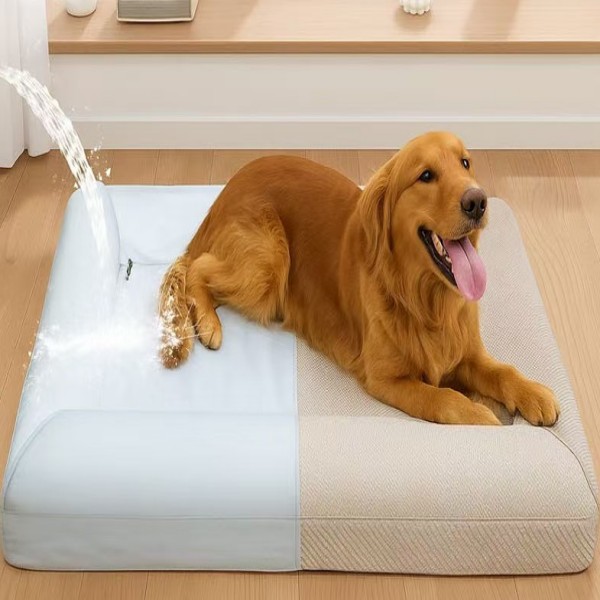
Daily use brings hair, odor, dirt, and occasional accidents. A removable washable cover and protective inner liner are useful only when the construction and care instructions genuinely support those claims.
Water-Resistant Is Not the Same as Waterproof
Water-resistant, moisture-resistant, and waterproof describe different levels of protection. Use the strongest claim the cover, liner, seams, and zipper construction can actually support.
Non-Skid Bottom Helps the Bed Feel Safer
A bed that slides can make a dog hesitate.
This matters on tile, wood, vinyl, laminate, and other smooth floors. A senior dog or large dog may step onto the bed with more weight and less confidence. If the bed shifts, the dog may stop trusting it.
A non-skid bottom is not an exciting photo feature, but it is a practical daily-use detail. I would show it clearly, especially for senior support and large dog beds.
A Practical Selection Table
| Decision Point | What You Should Look For | Why It Matters |
|---|---|---|
| Support core | Solid or layered foam with stable support | Prevents the dog from sinking too far |
| Thickness | Matched to dog size and weight | Large dogs need deeper support |
| Usable area | Clear inner sleeping space | Prevents wrong-size expectations |
| Entry height | Low entry for senior or short-legged dogs | Makes daily use easier |
| Cover care | Removable washable cover or clear spot-clean wording | Reduces care confusion |
| Inner liner | Moisture-resistant protection around foam | Helps protect the support core |
| Bottom design | Non-skid base | Keeps the bed steady on smooth floors |
| Fabric surface | Cozy, durable, breathable, or easy-care fabric | Affects comfort and home fit |
I use this kind of table because it keeps the discussion practical. It also helps your team explain why one bed costs more than another.
Do Orthopedic Beds Help With Arthritis?
A supportive bed may help a dog rest more comfortably, but it does not treat arthritis. Veterinary care, pain management, weight management, and movement planning remain separate decisions.
When a Bed Alone Is Not Enough
The bed is only one part of the home setup. Slippery floors, repeated jumping from sofas, or difficult access can still affect an older dog’s daily movement.
That is why dog ramps, dog stairs, non-slip mats, and supportive beds can work as one senior-comfort range.
How Archova Looks at Orthopedic Dog Bed Projects
For orthopedic dog beds, we do not start with color alone. We look at support level, foam structure, sleeping area, fabric surface, cover wording, liner protection, non-skid base, packaging message, and private label presentation together.
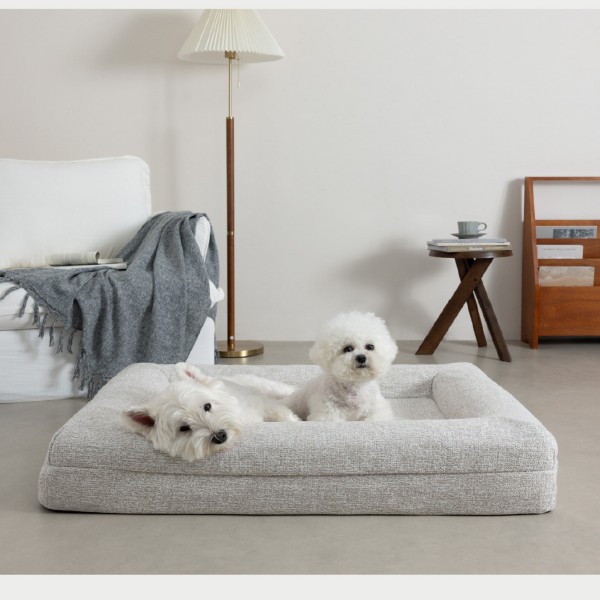
If your market is senior support, I would pay more attention to low entry, stable support, and easy cleaning. If your market is large dogs, I would focus on thickness, foam support, and usable sleeping area. If your market is modern home style, I would connect fabric, color, and shape with room-friendly design.
Archova can support finished product selection and practical private label options, such as fabric direction, color selection, label, packaging message, and size range planning. The goal is not to make the first order complicated. The goal is to make the product easier to explain and safer to test.
Where I Would Be Careful
I would be careful with thin beds marketed as orthopedic. I would also be careful with beds that look thick but give no clear details about foam support, usable sleeping area, cover care, or liner protection.
For senior dogs, high bolsters without low entry can create a use problem. For large dogs, soft foam without enough support can create disappointment. For chewers, a soft foam bed should not be sold as chew-proof unless the design truly supports that claim.
This is the kind of product where honest details sell better than big words.
When This Category Is Worth Adding
This category makes sense when your range serves senior dogs, large breeds, heavier dogs, or comfort-focused homes.
Add it when you can explain support, usable size, cleaning, and material value clearly—not because the word orthopedic sounds premium.
FAQ
Are orthopedic dog beds really worth it?
They can be when a dog needs more support than a basic cushion provides. Support structure matters more than the label.
How can I tell if an orthopedic bed is supportive?
Check the foam core, thickness, firmness, usable sleeping area, and whether the dog stays supported above the floor.
Flat bed or bolster bed?
Flat beds suit dogs that stretch or need easy entry. Bolsters suit dogs that curl, lean, or rest their head on a raised side.
Is a washable cover necessary?
It is useful for daily indoor care, but only call it washable and removable when the construction supports that wording.
Can orthopedic beds be used for puppies?
Yes, but not every puppy needs one. Cleaning, chewing behavior, and future size may matter just as much.
Should orthopedic beds be sold with ramps or stairs?
They fit naturally together in senior or home-access ranges because they solve different parts of the same use scene.
How does Archova support orthopedic dog bed projects?
Archova supports foam and fabric direction, size planning, care wording, liner and cover options, packaging, and practical private label.
Conclusion
Orthopedic dog beds earn their place when support, usable size, access, cleaning, and care claims are clear. The word orthopedic should describe a real structure, not just a thicker-looking cushion.
Start with the dog’s resting needs and support core, then build the fabric, size, liner, and packaging story around that.
References