You are not only choosing between two dog crates. You are choosing between two selling stories, two price levels, and two customer expectations.
A wire crate sells function. A dog crate end table sells function with home value.
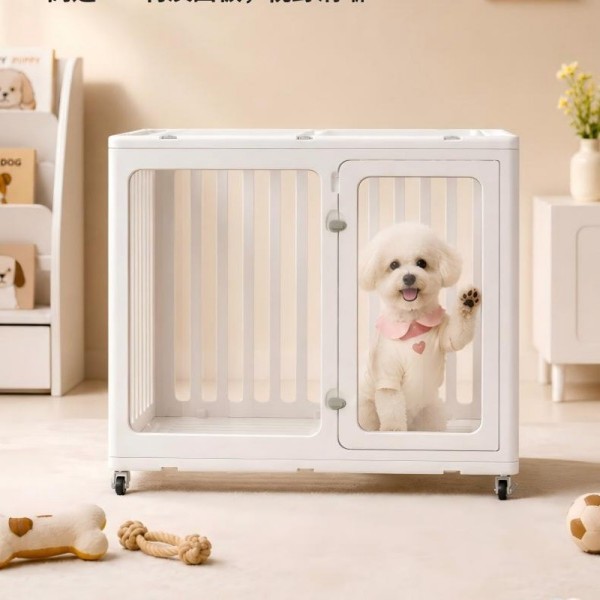
The Real Question Is Not Which Crate Is Better
Wire crates and dog crate end tables do not serve the same buying moment. That is why a simple “which one is better” answer can mislead you.
A wire crate is practical, familiar, and easy to understand. It works when your customer wants a basic training or containment tool.
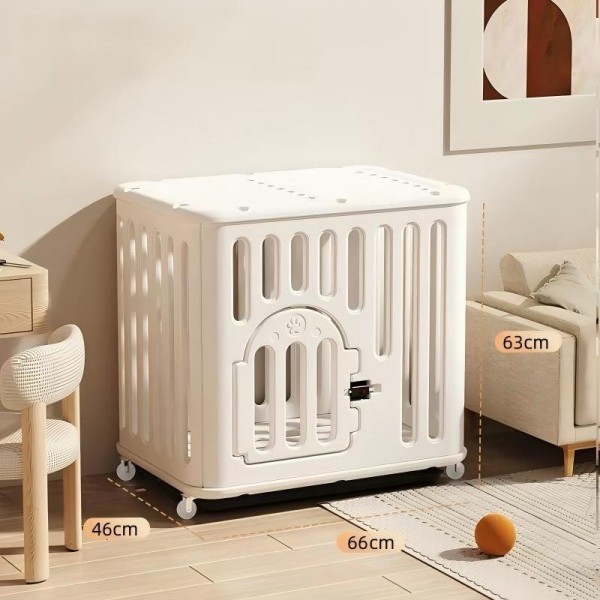
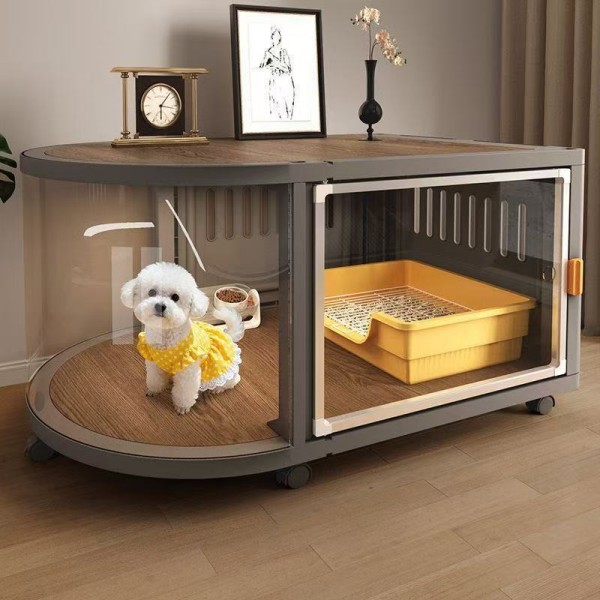
A dog crate end table answers a different problem. It helps your customer keep a dog space in a visible room without making the home look unfinished.
I would not treat one as the replacement for the other. I would ask which customer need you want your product line to serve.
Wire Crates Win on Basic Function
Wire crates are strong in simple, practical use. They often offer good airflow, visibility, foldability, and easier storage.
They are also easier for many customers to compare. Size, door count, divider panels, and price are easy to understand.
This makes wire crates useful for training, temporary use, travel preparation, and budget-focused buyers. They can also work well for service spaces that need clear visibility and fast cleaning.
But this same simplicity creates price pressure. When many products look similar, your buyer often compares only price.
For B2B buyers, that is the commercial limit. Wire crates may move volume, but they rarely create a premium pet furniture story.
Dog Crate End Tables Win on Home Value
Dog crate end tables solve the problem wire crates often create. They make the dog area easier to accept in the home.
Your customer may still need a crate, but they may not want a metal cage beside the sofa. A crate end table changes the visual role of the product.
It can sit near a sofa, bed, hallway corner, or reading chair. The product becomes part of the furniture layout.
This gives you a stronger value story. You are not selling containment only, but a cleaner pet-friendly room.
That is why this product can work for designers, pet retailers, lifestyle buyers, DTC brands, and private label sellers. It fits the way modern pet owners think about home life.
Commercial Difference for B2B Buyers
For B2B buyers, the choice is not only product function. It is about margin structure and customer positioning.
Wire crates are easier to source, but harder to differentiate. Dog crate end tables need more product control, but they give you more brand space.
The crate table also allows material stories, private label styling, and collection selling. That makes it more useful for buyers building a pet furniture line.
Here is the simple commercial difference:
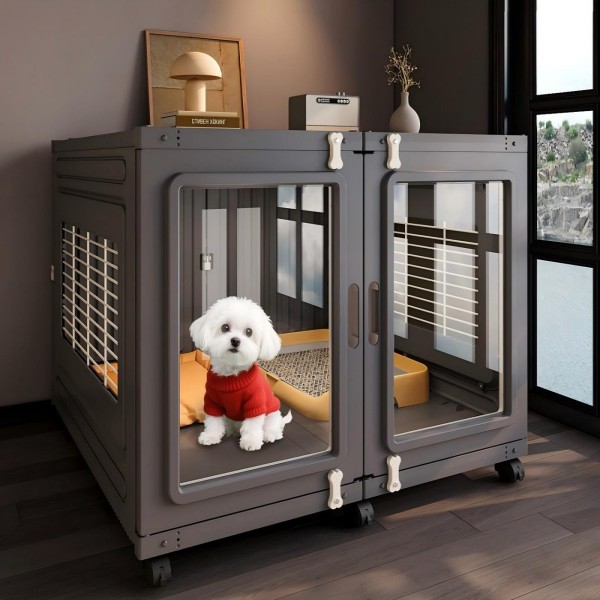
| Buying Point | Wire Crate | Dog Crate End Table |
|---|---|---|
| Main value | Basic containment | Pet function plus home furniture value |
| Price position | More price-sensitive | Better premium positioning |
| Display value | Lower | Stronger in room scenes |
| Shipping risk | Usually lower | Higher, needs better packaging |
| Customization space | Limited | Color, finish, material, packaging |
| Best use | Training, budget, service use | Home living, private label, collections |
This does not mean crate tables are always better. It means they need a more careful buying plan.
Size Risk Is Different in Each Product
Wire crates are usually more transparent in size. The customer can see the usable space clearly.
Dog crate end tables are different. Panels, frames, tops, doors, and decorative parts can reduce internal space.
The outside size may look large, while the inside space feels tight. This is one of the biggest risks in furniture-style crates.
Your customer still needs the dog to stand, turn, and lie down comfortably. If that fails, the furniture look will not save the sale.
When I review a crate table, I ask for internal length, width, height, and door opening. I do not rely on outside dimensions.
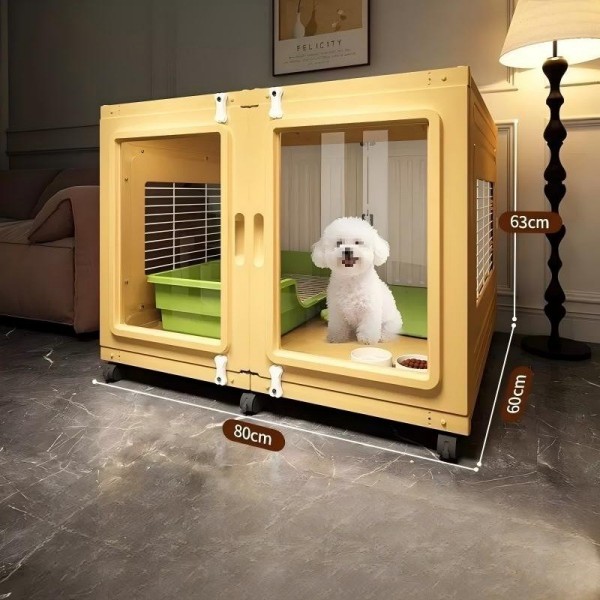
Archova reviews usable space together with furniture proportion. This helps the product stay attractive without hurting daily use.
Ventilation and Visibility Need a Fair Comparison
Wire crates usually perform well in airflow and visibility. The dog can see the room, and the owner can check the dog easily.
A dog crate end table must be more carefully designed. If it becomes too closed, it may look elegant but feel wrong for the pet.
Good crate furniture needs balanced airflow. This can come through metal bars, open side panels, slatted sections, rattan woven panels, or willow woven details.
The goal is not to hide the dog completely. The goal is to create a calmer pet zone that still feels safe and breathable.
For end customers, this protects comfort. For B2B buyers, it protects trust and reduces complaints.
Cleaning Is Where Many Buyers Misjudge the Product
Wire crates are often easy to wipe, move, or fold away. That is one reason they remain popular.
Dog crate end tables need a stronger cleaning plan. They sit in visible rooms and face hair, dust, odor, and small accidents.
A good design should avoid dirt-trapping corners. It should have surfaces the owner can clean without frustration.
Eco-flex resin composite can support an easy-clean product direction. Wood and board styles need good finishing and sensible inner structure.
Rattan woven panels and willow woven details can look warm and premium. But the frame still needs practical maintenance access.
I treat cleaning as a selling point, not a small feature. Products that stay pleasant after use are easier to recommend again.
Material Choice Changes the Buyer Story
A wire crate has a simple material story: metal strength, coating, folding design, and tray quality.
A crate end table gives you more positioning room. Wood supports classic furniture value, resin composite supports easier maintenance, and woven panels create a warmer lifestyle look.
The material should explain why the product belongs in your market, not only why it costs more.
After-Sales Risk Must Be Counted Before Margin
A crate table can look profitable on paper. Then broken panels, missing screws, weak hinges, or unclear assembly can remove the profit.
This is why I do not judge this product by unit price alone. I count after-sales risk before I count margin.
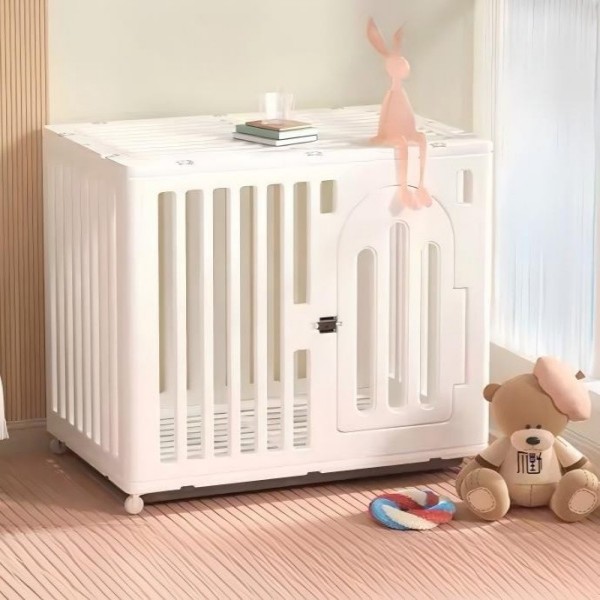
Wire crates usually have simpler construction. Crate tables include furniture panels, hardware, finishes, and larger cartons.
That means packaging and assembly matter much more. The product must arrive safely and assemble without anger.
Archova considers carton protection, hardware packing, and sample-to-bulk consistency early. These are not backend details for pet furniture.
They decide whether the product can survive the full path from factory to customer.
When a Wire Crate Is the Better Choice
Choose a wire crate when price, foldability, visibility, and straightforward containment matter more than room styling. It remains useful for training, service spaces, and budget channels.
When a Dog Crate End Table Is the Better Choice
Choose a crate end table when the product will stay in a visible room and your business wants stronger furniture positioning, private-label value, and collection selling.
My Buying Lens for This Comparison
When I compare these two products, I do not ask which one is more popular. I ask which one fits your business goal.
If you need volume and basic utility, wire crates may fit. If you need higher perceived value, crate end tables may fit better.
If you need a product for professional spaces, cleaning and durability come first. If you need a product for modern homes, room integration matters more.
This buying lens keeps the comparison practical. It also protects the end customer’s real needs.
A product should not be pushed into the wrong channel just because it has a better margin. That creates bad reviews and weak repeat sales.
How to Use Both in One Product Strategy
You do not always need to choose one. Wire crates can cover training, budget, and service use, while crate end tables cover visible home spaces and premium pet furniture.
Keep the messages separate. Do not sell a wire crate as furniture, and do not sell a furniture crate as a chew-proof training solution.
When This Product Direction Is Worth Adding
Dog crate end tables are worth testing when your market cares about room style, home organization, and higher perceived value.
Do not rush the category if you cannot control usable size, hardware, packaging, and assembly. Wire crates still have a clear role where price, airflow, foldability, and simple containment matter.
FAQ
Is a dog crate end table better than a wire crate?
Not always. Crate tables are stronger for visible home spaces; wire crates are stronger for basic function, foldability, and price-sensitive use.
Which product is easier to sell?
Wire crates are easier to explain but easier to compare by price. Crate tables need more explanation but support a stronger home-value story.
Crate tables usually have more premium potential if usable size, hardware, packaging, and assembly are controlled.
What is the biggest crate-table risk?
Usable inner space, shipping damage, missing hardware, weak latches, and difficult assembly.
Are wire crates still useful for B2B buyers?
Yes, especially for budget channels, training, and service spaces.
Can crate end tables support private label?
Yes. Material, finish, color, hardware, and packaging give you visible areas for differentiation.
Conclusion
Wire crates and dog crate end tables solve different buying problems. Wire crates lead with basic function; crate end tables lead with function plus home integration.
For your range, choose by use scene and channel first, then count the after-sales risk before you count the margin.
References