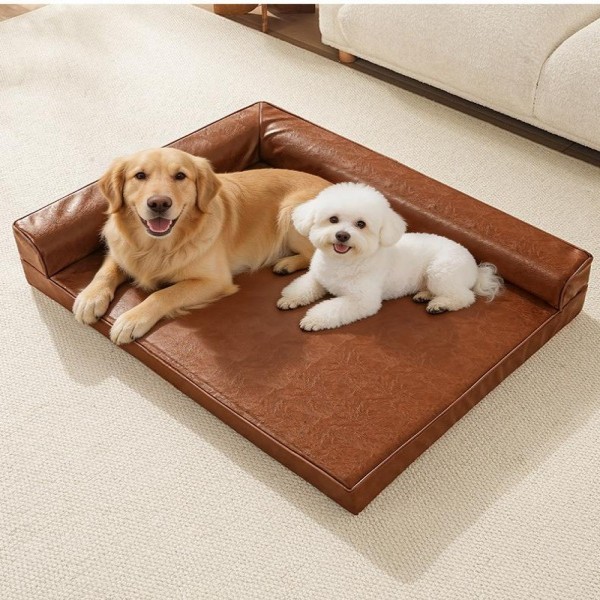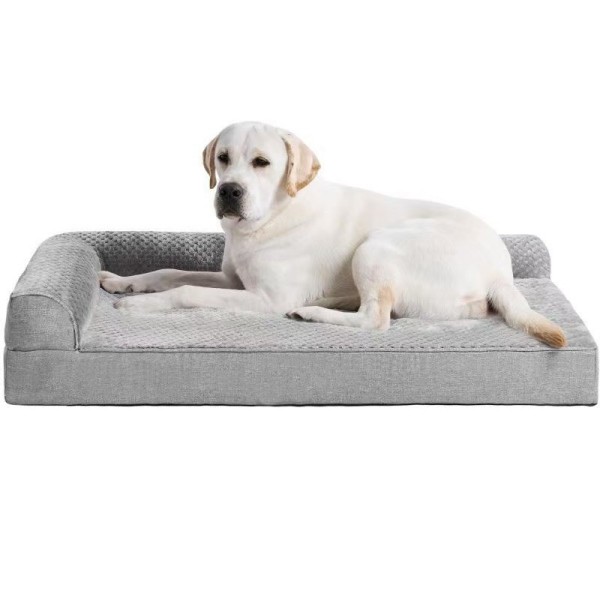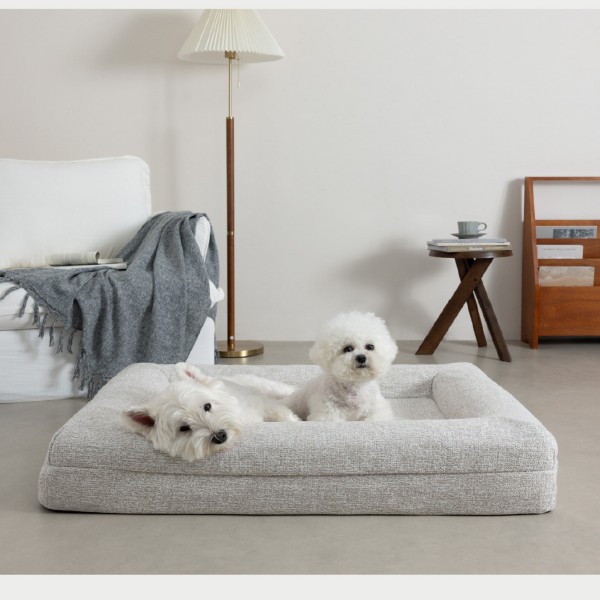
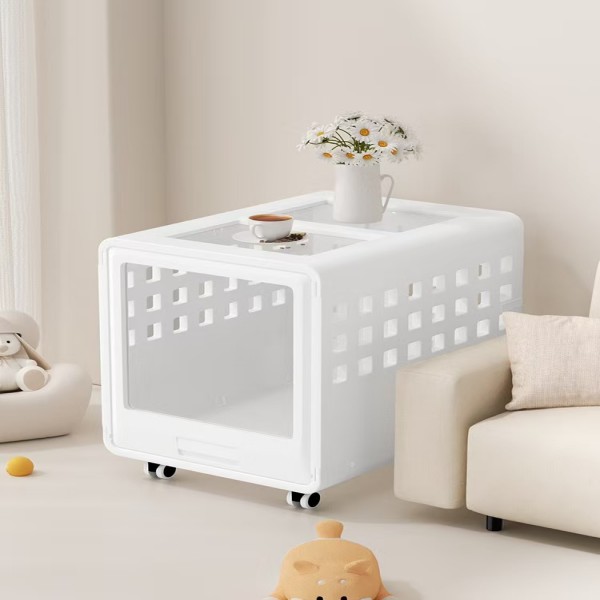
Your customer does not only want a place for the dog. They want a pet space that does not make the home feel messy.
That is why dog crate end tables work. They turn a necessary dog crate into a product with real home value.
The Real Buyer Motivation
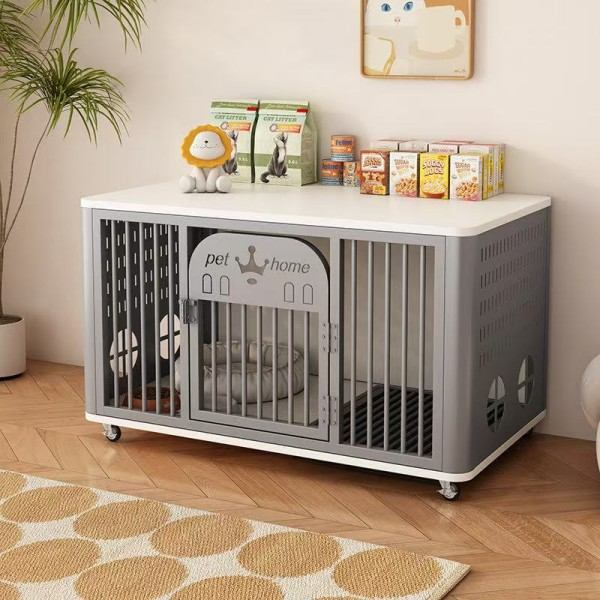
A dog crate is useful, but many owners dislike how it looks. A wire crate can make a living room feel unfinished.
A dog crate end table solves that problem in a simple way. It keeps the dog close, while giving the owner a usable furniture surface.
For your business, this changes the selling angle. You are not selling a cage, but a cleaner pet-friendly room.
I usually pay attention when one product solves a pet problem and a home problem together. That is often where better margin begins.
The Commercial Value for B2B Buyers
A basic dog crate often competes on price. A dog crate end table can compete on room value, material, design, and daily convenience.
This gives you more room for premium positioning. Your customer is comparing it with home furniture, not only with pet supplies.
The product also helps you move into a higher-value category. It can become an entry point for pet furniture, not just one more dog product.
If your current line is mostly bowls, toys, mats, and basic beds, this item can upgrade the conversation. It helps you offer a more complete pet living solution.
Why Designers and Lifestyle Buyers Care
Designers care about how pet products sit inside a room. Dog crate end tables solve the “ugly crate” problem while keeping a defined dog space.
Material then becomes a positioning tool: wood for classic furniture, woven details for a warmer natural style, and resin composite for easier daily care.
Why Pet Businesses Can Use It to Expand
If you already sell pet products, a dog crate end table can move the conversation away from basic price comparison and toward a pet-furniture collection.
It can anchor a room story with sofa-style beds, pet gates, playpens, and other home-focused products without asking you to launch a large range at once.
Why It Can Work for New Pet Furniture Brands
New pet furniture brands benefit from products that solve a familiar problem quickly. The customer already understands the need for a crate; the job is to make that crate easier to live with.
For a first line, keep the structure proven and differentiate through size, color, finish, packaging, and product naming.
My Buying Lens
When I review dog crate end tables, I do not start with the lowest quote. I first check whether the product can live in a visible room.
Then I check whether the dog can actually use it comfortably. A beautiful crate table is weak if the internal space is poor.
Finally, I check what can go wrong after delivery. Packaging, hardware, assembly, and replacement risk all affect your real profit.
| Buying Question | What I Check | Why It Matters |
|---|---|---|
| Can it fit a modern room? | Style, color, material, proportion | Supports better pricing |
| Can the dog use it well? | Internal size, width, ventilation | Reduces returns |
| Can it survive delivery? | Carton, corners, hardware packing | Protects margin |
| Can it become a line? | Matching beds, gates, playpens | Builds repeat value |
This lens keeps the product practical. It also helps you avoid buying only from attractive photos.
Internal Size Is the First Risk
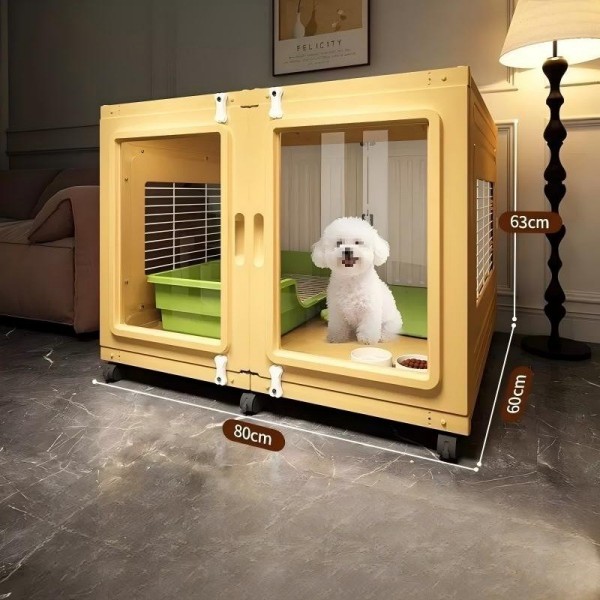
Dog crate end tables often look large outside. The usable space inside can still be tight.
Panels, frames, doors, and decorative parts all reduce internal space. That is why outside size is not enough.
Your customer needs the dog to stand, turn, and lie down comfortably. If that does not happen, style will not save the sale.
For B2B buyers, internal size is a commercial issue. It affects returns, reviews, and repeat orders.
Archova reviews usable dimensions together with furniture appearance. This helps the product stay attractive without losing pet comfort.
Width and Door Access Matter
Many buyers check crate length first. I usually check width and door access earlier.
A dog may enter the crate but still struggle to turn. That creates disappointment after purchase.
Door opening also affects daily use. A narrow door can make the product feel awkward, even if it looks good.
Before sampling, check internal width, door swing, lock position, and floor clearance. These small details decide daily satisfaction.
Material Should Support the Selling Story
Material should not be chosen only by cost. It should support the promise you make to your customer.
Wood and board work well for classic furniture positioning. They fit living rooms, bedrooms, and home-style private label lines.
Eco-flex resin composite supports easy cleaning and daily maintenance. It is useful when buyers care about wiping, moisture resistance, and odor control.
Rattan woven panels create a softer lifestyle look. Willow woven details add a natural and warmer home feeling.
None of these directions is right for every market. The right choice depends on your customer, price level, and product story.
Archova helps buyers connect material with market position. That makes the final product easier to explain and easier to sell.
Cleaning Should Not Be an Afterthought
Pet furniture lives with hair, dust, odor, and accidents. Cleaning is part of the buying decision.
If cleaning is difficult, the product may look premium but feel frustrating. That can hurt reviews and repeat sales.
Easy-wipe surfaces, removable trays, and simple inner corners are useful. They make daily care easier for the pet owner.
Eco-flex resin composite can strengthen an easy-clean line. Wood and board need good finishing and sensible inner design.
For rattan and willow styles, beauty must be balanced with maintenance. A natural look should not create a cleaning burden.
Hardware and Ventilation Build Trust
Customers may buy because of appearance, but they judge quality through touch. A weak latch makes the whole item feel unsafe.
The door should open smoothly and close firmly. Hinges, locks, screws, and bars must match the product’s price level.
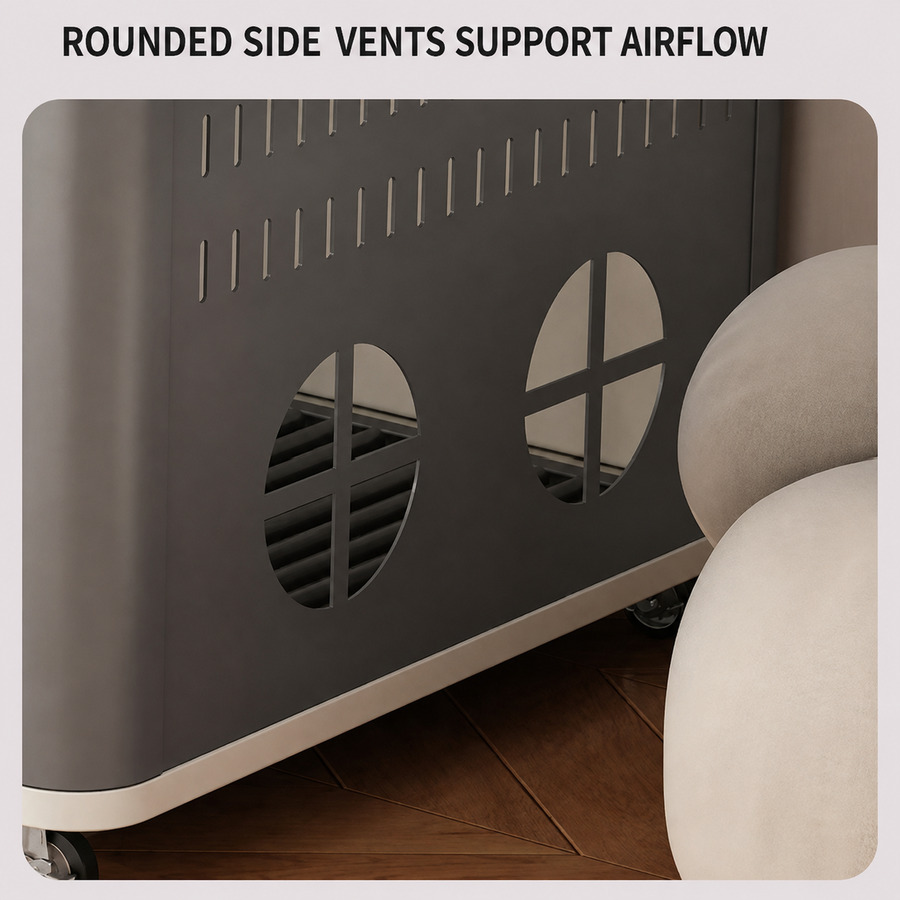
Ventilation is just as important. A crate table should never feel like a closed box.
Good airflow reassures the owner and supports the dog’s comfort. It also shows the product was designed for real use.
Archova treats hardware and ventilation as part of product value. Small failures here can become repeated service problems.
Be Careful With Chew-Resistant Claims
Some customers will ask whether a furniture-style crate is chew-proof. I would avoid overpromising this.
Young, anxious, or strong dogs can damage many furniture materials. No responsible product line should ignore that reality.
A better approach is to reduce risk through structure. Reinforced edges, bar placement, and suitable materials can help.
Clear use guidance also protects trust. Your customer should know which dogs and use scenes fit the product.
Packaging Can Decide the Final Margin
Dog crate end tables are bulky furniture products. They carry higher damage risk than small pet accessories.
Corners, panels, doors, hardware, and woven parts all need protection. One broken panel can erase the profit from an order.
I treat packaging as part of the product cost. A lower unit price means little if damage claims follow.
Before confirming a supplier, check carton size, gross weight, inner protection, and hardware packing. Also check whether flat-pack assembly is clear.
Archova considers packaging early, not at the last step. For bulky pet furniture, safe delivery is part of the product value.
Private Label Works Best When It Stays Focused
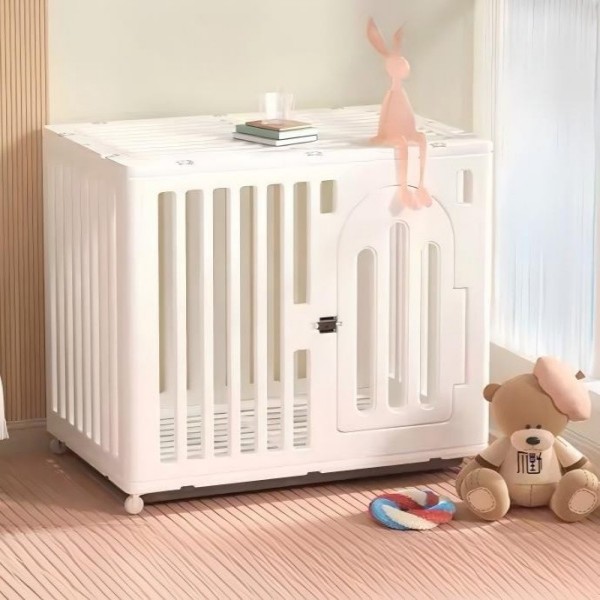
Dog crate end tables suit private label because color, finish, material, handles, and packaging are visible to the end user.
For a first order, I would keep the structure proven and customize the details that are easiest to control.
How to Turn One Product Into a Collection
Use the crate table as a room anchor rather than an isolated SKU. A living-room line can connect it with sofa-style dog beds, pet gates, and indoor playpens.
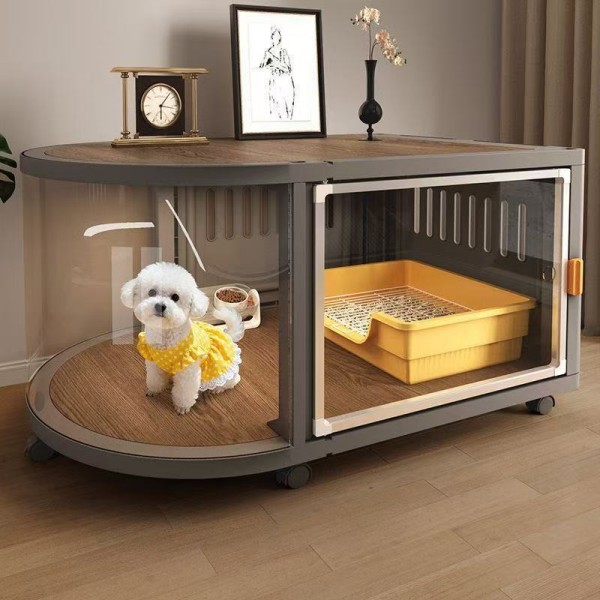
Keep material and color logic consistent so the collection looks planned rather than assembled from unrelated products.
When This Product Is Worth Adding
This category makes sense when the product has clear room value, usable inner space, reliable hardware, safe packaging, and room for branding.
If it only looks attractive in photos, it is not ready to be a core item.
FAQ
Who can sell dog crate end tables?
Pet retailers, designers, lifestyle buyers, private-label sellers, online brands, and new pet-furniture businesses can all use the category.
What is the biggest selling value?
Home integration. The dog keeps a defined resting space without making the room look temporary.
What is the biggest sourcing risk?
Poor usable size, weak hardware, shipping damage, and difficult assembly.
Which material direction should I choose first?
Choose by market position: classic furniture, easy-clean daily use, or a warmer woven look.
Is this product suitable for private label?
Yes. Start with visible, controllable changes such as color, finish, logo, packaging, handles, and naming.
How can I reduce after-sales problems?
Check usable dimensions, door access, ventilation, hardware, cleaning access, packaging, and assembly before bulk orders.
Can it anchor a wider collection?
Yes, especially when the range stays tied to one room or home-use scene.
Conclusion
Dog crate end tables work because they solve two problems at once: the dog needs a defined resting space, and the owner wants that space to belong in the home.
For your business, the opportunity is strongest when usable size, hardware, ventilation, cleaning, packaging, and private-label direction are controlled before the premium story is built.
References