A crash-tested vehicle harness system is safer than a generic dog car seat belt tether. The reason is simple: the harness manages body loads, while a tether mainly connects the dog to the vehicle.
The comparison still needs one correction. A safe setup usually combines a purpose-built harness with an approved vehicle connection.
At Archova, we separate comfort, movement control, and crash protection. A padded pet car seat for dogs can manage resting space, but it does not replace a verified restraint.
Quick Answer: Seat Belt or Harness?
| Travel Setup | What It Really Does | Crash-Protection Evidence | Our View |
|---|---|---|---|
| Generic buckle-in tether + walking harness | Limits roaming | Usually unknown | Movement control only unless tested as a complete system |
| Long extension tether + harness | Gives more movement | Can increase excursion | Avoid as a crash-protection solution |
| Headrest tether + walking harness | Limits movement around one seat | Connection method alone proves nothing | Use only for its documented purpose |
| Vehicle safety harness with approved belt routing | Restrains through the torso | Can be independently tested | Stronger choice when verified |
| Seat-belt connector attached to a collar | Concentrates load at the neck | Not an appropriate travel-restraint setup | Do not use |
| Certified harness system used exactly as tested | Controls body and vehicle connection together | Independent evidence available | Preferred harness option |
The safer choice is not “belt instead of harness.” Choose a verified harness restraint system with the correct vehicle attachment.
First, Define What “Dog Car Seat Belt” Means
The phrase “dog car seat belt” covers several very different products. That creates confusion before safety is even compared.
One common version is a short strap with a metal tongue for the vehicle buckle. The other end clips to a dog harness.
Another version loops around a headrest or another vehicle point. Some versions add elastic sections, adjustable webbing, or swivel clips.
A third design does not use a separate tether at all. The vehicle lap-and-shoulder belt routes directly through a purpose-built travel harness.
These designs should not share one safety claim. Their load paths, movement limits, hardware, and test evidence can be completely different.
A Harness and a Seat Belt Perform Different Jobs
A harness is the body-contact part of the restraint system. It determines where sudden travel loads reach the dog.
A vehicle connection determines how the harness stays linked to the car. That connection can use vehicle belt routing or another approved design.
This distinction explains why a tether alone cannot solve the problem. A strong connector still needs a suitable load-distributing body restraint.
It also explains why an ordinary walking harness is not automatically a vehicle safety harness. Walking comfort and collision restraint are different design requirements.
VCA car-travel guidance describes car restraint as a seat belt and harness combination. The complete setup matters more than either word alone.
Why the Harness Is Usually the More Important Component
During abrupt deceleration, the dog continues moving until the restraint controls that movement. The harness must manage those loads across the torso.
A collar places the connection around a much smaller neck area. That is why we do not recommend attaching automotive restraints to collars.
A purpose-built vehicle harness can use broader load-bearing sections. It can also control body rotation better when designed correctly.
However, “harness” by itself is not a safety guarantee. Poor hardware, stitching, fit, or connection geometry can still fail.
The 2013 Center for Pet Safety harness study demonstrated substantial differences between harness designs. Several products allowed excessive movement or suffered serious structural failures.
That study became a foundation for later pet-harness performance protocols. Current product decisions should still use current certification evidence.
Strength Alone Does Not Equal Crash Safety
A common product claim is that a tether or harness uses strong webbing. That information is useful, but it is not enough.
Center for Pet Safety uses more than static strength when evaluating harness systems. Its certification requirements also examine excursion, hardware movement, stitching, and restraint integrity.
This matters because a product can stay connected yet still allow excessive forward travel. The dog may then strike the vehicle interior.
The harness can also rotate on the body. Hardware can migrate, straps can slip, and the load path can change.
A serious travel restraint therefore needs system-level evidence. Webbing tensile strength alone should never become a crash-protection claim.
Why Long Extension Tethers Are a Different Risk
A longer tether often looks more comfortable because the dog can move freely. That extra movement conflicts with crash-restraint principles.
The Center for Pet Safety extension-tether advisory warns that extension tethers can increase excursion. It also advises against zipline-style travel attachments.
The problem is not simply whether the tether breaks. The dog can travel much farther before the restraint becomes fully loaded.
That additional distance can increase contact with the seatback, door, or other interior surfaces. It can also increase body rotation.
For normal comfort, pet owners often want sitting and lying freedom. A verified system should provide only the movement allowed by its tested design.
We would not lengthen a travel tether casually. Changing tether length can change the performance of the complete restraint system.
Direct Seat-Belt Routing Is Different From a Buckle-In Tether
Some vehicle harnesses route the car’s lap-and-shoulder belt through reinforced harness loops. This creates a shorter connection path.
A generic buckle-in tether adds another flexible component between dog and vehicle. That extra component creates another possible failure point.
Neither design should be judged from appearance alone. The question is whether the exact configuration was independently evaluated.
The tested configuration matters down to the connection method. A harness tested with direct belt routing should not gain an untested extension tether later.
This is one reason Archova separates travel-seat straps from verified restraint claims. Visible hardware does not automatically prove collision performance.
“Crash Tested” Is Not the Same as “Passed”
This is one of the most important purchasing checks. A label can say “crash tested” without explaining the outcome.
The CPS Certified guidance explicitly warns about this difference. Testing alone does not establish successful performance.
Ask what protocol was used and which product sizes were evaluated. Also confirm whether the tested model matches the product being sold.
Check whether every included tether or connector was part of that test. An added accessory can change excursion and load behavior.
For a private-label program, material substitutions also deserve review. Different webbing, buckles, stitching, or geometry can affect the tested system.
A serious safety claim should follow the approved construction. It should not survive automatically after structural changes.
Be Careful With FMVSS 213 Language
Pet-restraint marketing sometimes refers to FMVSS 213. That reference needs precise wording.
NHTSA describes FMVSS 213 as a federal standard for child restraint systems. It is not a pet-harness certification standard.
Center for Pet Safety has used FMVSS 213 crash conditions within canine restraint research. That does not make a dog harness NHTSA-certified.
For retail copy, separate the test condition from the certification claim. This avoids implying government approval that does not exist.
When a supplier presents “FMVSS 213 certified” for a dog harness, request the exact documentation. The wording may not mean what the product page suggests.
Harness Fit Can Change Real-World Performance
Even a strong harness needs to fit the dog correctly. Loose fit can allow rotation, slipping, or escape.
Very tight fit can restrict movement or create uncomfortable pressure. The correct adjustment follows the exact harness instructions.
Chest shape also matters. Deep-chested, narrow, long-backed, and compact dogs can fit differently at the same body weight.
Do not choose only from a weight range. Measure the body points required by the harness maker.
Then confirm the selected size matches the tested or certified size range. Do not assume one tested size validates every size.
After adjustment, check the harness again with the dog sitting and lying. Travel posture can expose slack that standing measurements miss.
The Vehicle Connection Needs Its Own Fit Check
A good harness can still be used incorrectly in the vehicle. Seat-belt geometry and rear-seat layouts vary widely.
Check the approved routing path before every trip. Keep the belt flat and avoid unintended twists.
Do not improvise with cargo hooks, headrest posts, or child-seat anchors. Use only connection points allowed by the restraint instructions.
Generic buckle tongues also deserve a compatibility check. Vehicle buckle shapes and receiver depths are not identical.
An exposed buckle release can create another practical issue. Confirm the dog cannot easily step on it during normal movement.
If the connection loosens or releases, stop using that setup. Do not solve repeated release with an improvised knot or extra clip.

Should a Seat Belt Ever Attach to a Collar?
No automotive tether should be attached to a standard collar. The connection should use the approved body restraint.
The issue becomes obvious during a sudden stop. A collar directs restraint load toward the neck instead of a broader torso area.
AAHA guidance on collars and harnesses notes that well-fitted harnesses reduce pressure on the neck and throat. This is not crash-test evidence, but it reinforces why neck-only attachment is a poor restraint concept.
Archova follows the same boundary in our car-seat documentation. Our internal clips are not presented as collar attachment points.
What About a Walking Harness With a Seat-Belt Tether?
A walking harness can reduce neck loading compared with a collar. That does not make it crash protective.
Walking harnesses are usually designed for leash control and daily comfort. Vehicle restraints must manage very different loading conditions.
The Center for Pet Safety’s pet seat pilot study showed why this distinction matters. One tested setup used an anchor strap connected to a walking harness.
The anchor strap failed during the test. The example shows that a familiar harness-plus-strap appearance does not establish crash performance.
For short local trips, distraction prevention still has value. Do not describe that benefit as verified collision protection.
Comfort Seats and Safety Harnesses Should Work as Separate Layers
A soft dog car seat can give the dog a stable, defined resting area. A harness controls the dog as part of the vehicle restraint.
Those functions should complement each other. They should not be combined into one unsupported safety claim.
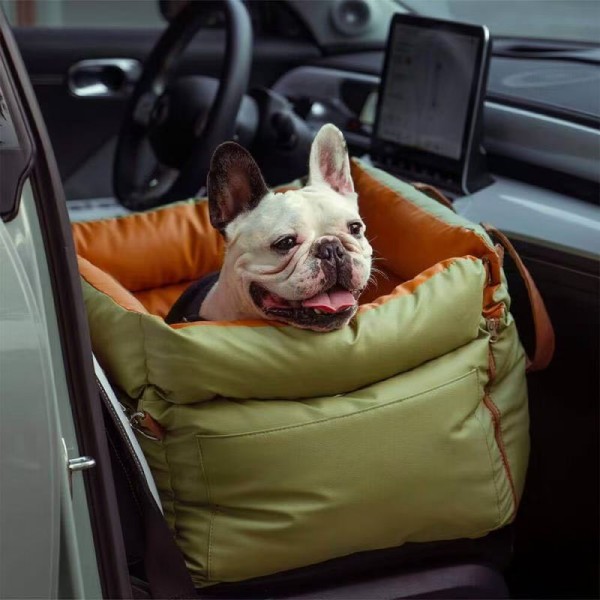
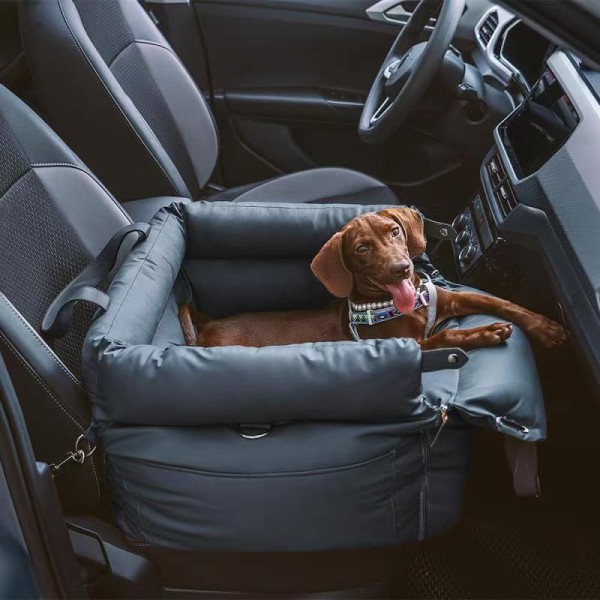
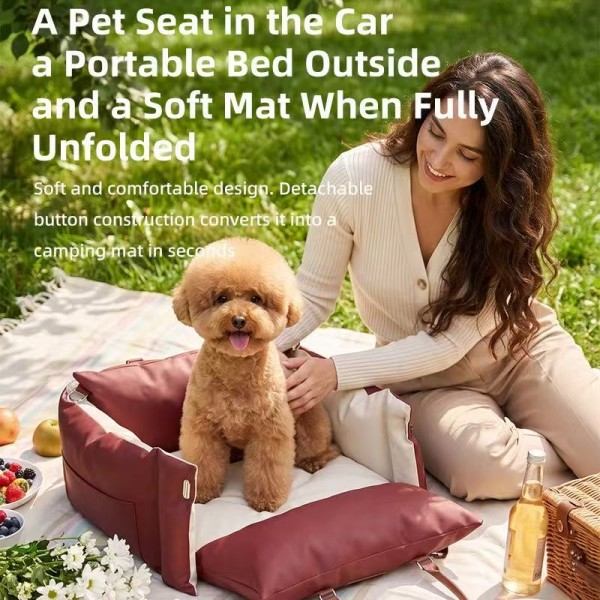
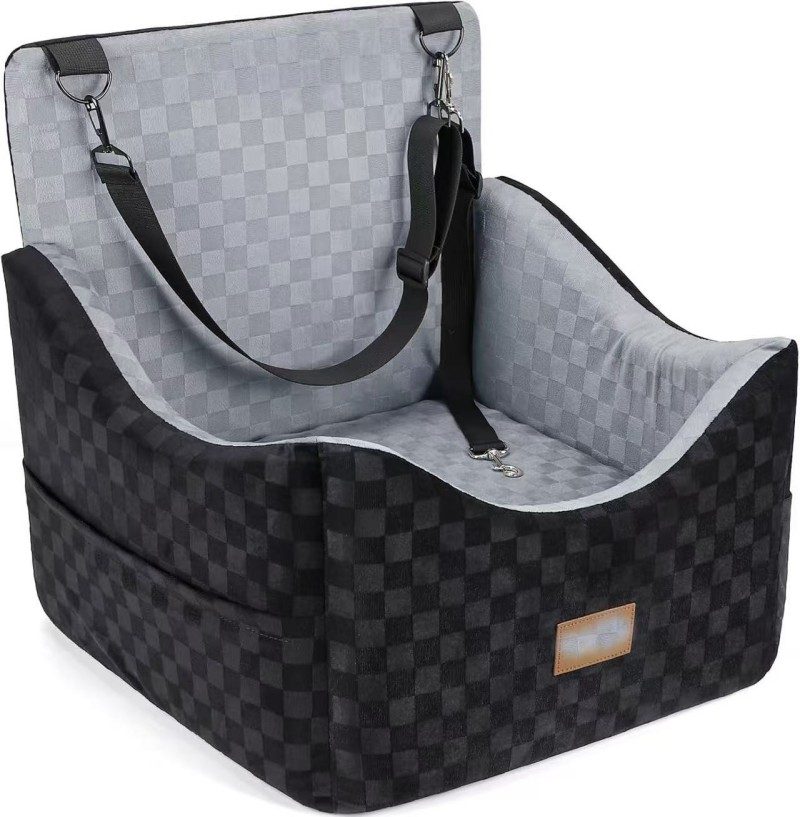
Archova’s small dog car seat uses padded sides and a defined resting area. It is intentionally described as a comfort product.
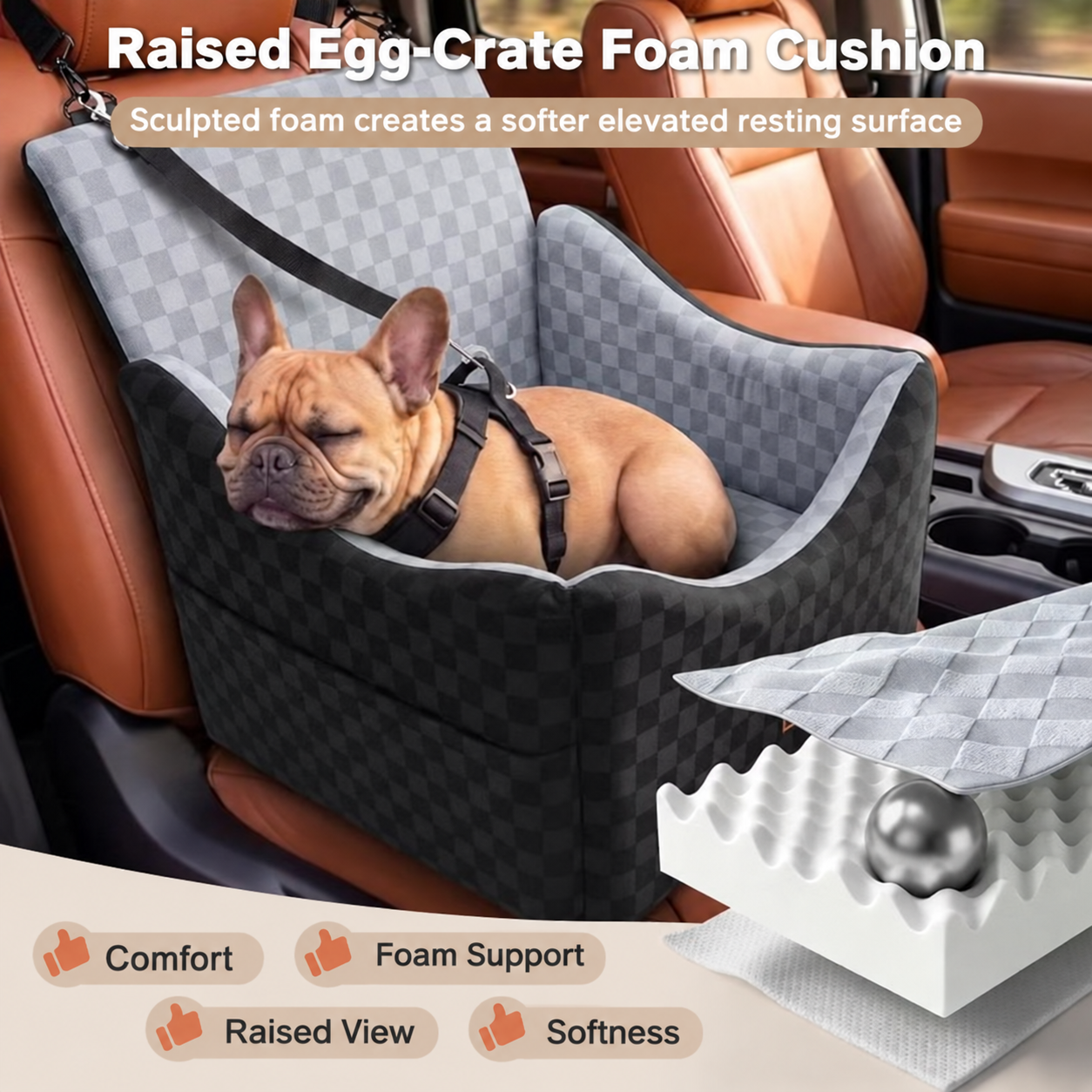
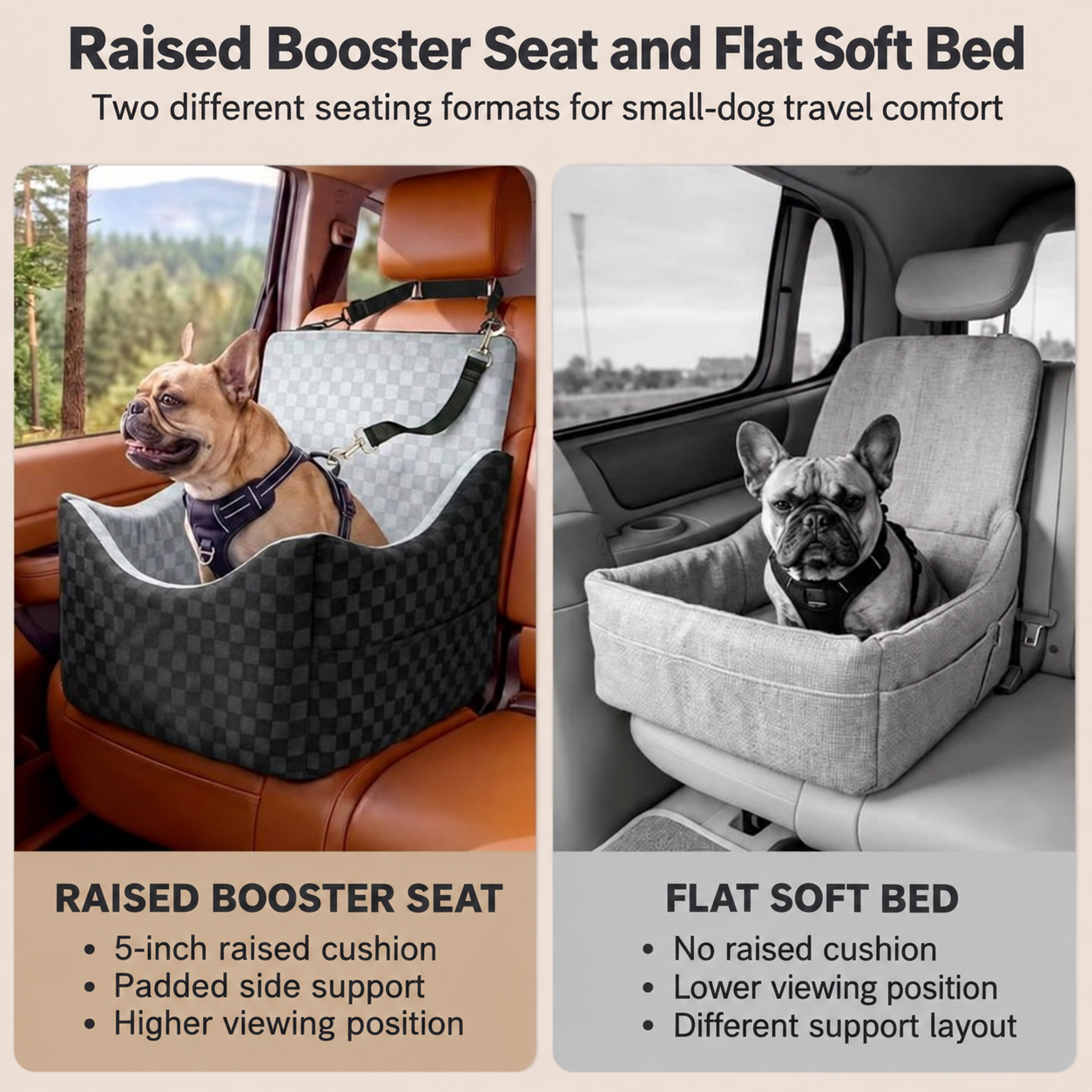
Our dog car booster seat adds a raised cushion for suitable small dogs. Its internal connection strap is not presented as independently crash tested.
That wording is deliberate. A soft seat can improve comfort and placement without pretending to replace a verified harness.
When combining both products, check the restraint route carefully. Bolsters should not interfere with the approved vehicle connection.

Small Dogs Need a Different Decision Process
Small dogs often fit inside padded car seats or carriers. Their size can change which restraint format is practical.
A booster may provide a more comfortable viewing height. That elevation still does not create crash protection.
For very small dogs, a verified carrier may be another option. The correct choice depends on dog size and vehicle compatibility.
Cornell veterinary guidance recommends crash-tested harnesses, seat-belt systems, or travel crates. It also emphasizes securing dogs during vehicle travel.
For an open soft seat, we still separate the comfort layer from the restraint layer. That keeps the safety logic clear.
Large Dogs Need More Than Stronger Hardware
Increasing dog size increases the importance of fit and movement control. It does not mean adding a thicker tether solves everything.
The harness needs an appropriate tested range for the dog. The vehicle connection also needs to work with the dog’s seating position.
Large dogs may occupy more of the rear bench. Excess tether length can allow greater contact with front seats or doors.
A full-width padded travel bed can improve resting space. It still remains separate from the crash restraint.
Archova’s rear-seat travel-bed formats are described as comfort and upholstery-management products. We do not assign them a restraint rating without independent evidence.
Rear-Seat Positioning Is the Better Default
The safest restraint system still needs an appropriate vehicle location. Rear-seat positioning is the better default for our soft travel products.
Center for Pet Safety also recommends back-seat use in its current tether guidance. The dog should remain away from the driver’s operating area.
The restraint must not block passenger belts or required child-seat hardware. Full-width products need additional buckle-clearance checks.
For small seats, confirm headrest access and seat-belt routing. Vehicle instructions remain part of the final installation decision.
What Archova Checks Before Calling Anything a Safety Feature
A visible strap is not enough for us. We first ask what function that strap actually performs.
Placement straps can stabilize a soft bed during ordinary driving. An internal clip can limit routine movement inside the seat.
Neither function automatically becomes crash restraint. That wording stays separate until independent evidence supports it.
If a restraint component is added to a private-label project, we treat it as structural work. It needs its own specification and testing path.
This approach is less dramatic than broad “safety belt” language. It is also more useful for a long-term product line.

A Better Safety Checklist for Retail and Private-Label Programs
| Question | Why It Matters | What We Would Require |
|---|---|---|
| Is the product a tether, harness, or complete system? | These are different components | Define each component before making claims |
| Was the complete system independently tested? | A strong part can still fail as a system | Request the full test configuration |
| Did the product pass the stated protocol? | “Crash tested” only confirms testing occurred | Review pass criteria and evidence |
| Which sizes were tested? | Performance can vary across sizes | Match claims to documented sizes |
| Was the extension tether included? | Added length changes excursion | Use only the tested configuration |
| How is the dog connected? | Collar and harness loads differ | Follow the approved harness connection |
| What controls forward excursion? | Break strength alone is incomplete | Review movement and rotation evidence |
| Are stitching and hardware unchanged? | Material changes affect performance | Lock critical construction specifications |
| Is FMVSS 213 wording accurate? | It is a child-restraint standard | Do not imply NHTSA pet certification |
| Does the vehicle layout match instructions? | Buckles and belt paths vary | Confirm routing and rear-seat compatibility |
This checklist is more useful than asking whether a buckle feels strong. It forces the product claim to follow actual evidence.
Which Is Safer in Common Travel Scenarios?
| Scenario | Better Direction | Why |
|---|---|---|
| Generic tether clipped to a normal walking harness | Purpose-built vehicle harness | Walking restraint does not prove crash performance |
| Long tether gives the dog most of the rear seat | Shorter verified system | Less uncontrolled excursion |
| Tether is connected to a collar | Harness-based restraint | Avoids neck-only attachment |
| Harness routes the vehicle belt directly | Use if independently verified | Fewer assumptions about added connectors |
| Dog steps on the buckle release | Reassess the complete system | A restraint that disconnects cannot perform |
| Small dog rests in a booster seat | Verified restraint plus comfort seat | Elevation and crash restraint are separate |
| Large dog lies across the rear bench | Size-appropriate verified harness | Body size demands controlled movement |
| Harness claim only says “crash tested” | Request evidence before deciding | Testing does not prove passing |
Final Verdict
A purpose-built, independently verified dog car harness system is safer than a generic seat-belt tether. The harness controls body loads and the tested connection controls movement.
A seat-belt tether can still prevent roaming during normal driving. Without system-level crash evidence, treat that function as distraction management.
Do not attach an automotive tether to a collar. Avoid adding long extension tethers to a harness that was tested without them.
At Archova, we keep comfort products and crash restraints in separate categories. That makes product claims clearer and travel decisions more defensible.
Frequently Asked Questions
Is a dog car seat belt safer than a harness?
A generic tether is not safer than a verified vehicle harness. The tether is only one connection component.
A purpose-built harness can distribute restraint loads across the torso. It still needs the approved vehicle connection.
Can I use a normal walking harness with a dog seat belt?
It can limit ordinary movement, but that does not prove crash protection. Walking harnesses are not automatically vehicle safety harnesses.
Use the product only for its documented purpose. Choose a verified travel restraint when crash protection is the goal.
Can a dog seat belt attach to a collar?
No automotive restraint should connect to a standard collar. Use the approved body harness or restraint system.
A collar concentrates force around the neck. It is not the correct load-bearing structure for vehicle restraint.
Are buckle-in dog seat belts safe?
Some can manage ordinary movement. The buckle-in design alone does not prove crashworthiness.
Look for independent evidence for the complete harness-and-connection system. Also confirm compatibility with the vehicle buckle.
Is a headrest tether safer than a seat-belt buckle tether?
The anchor style alone cannot answer that question. Safety depends on the tested complete system.
A headrest loop should not be treated as crash protection without supporting evidence. Follow the exact product instructions.
Why are long dog seat-belt tethers a concern?
Longer tethers allow more forward and sideways movement before they become fully loaded. That can increase excursion during a crash.
Center for Pet Safety specifically warns against extension tethers and zipline-style additions. Use only the tested restraint configuration.
Does “crash tested” mean the harness passed?
No. It only tells you that some form of testing occurred.
Ask for the protocol, tested sizes, test configuration, and result. Current independent certification provides a clearer evidence standard.
Is FMVSS 213 a dog-harness safety standard?
No. FMVSS 213 is a federal child-restraint standard administered by NHTSA.
Pet-safety researchers may use comparable crash conditions. That does not create NHTSA certification for a dog harness.
Can I use a dog car seat and harness together?
Yes, when both products remain compatible with the approved restraint route. The soft seat provides comfort, while the harness provides body restraint.
Do not route the restraint through unapproved seat parts. Check that bolsters and cushions do not alter the tested connection path.
What should I look for before selling a dog travel restraint?
Start with independent test evidence, exact model identity, tested size range, and approved vehicle connection. Then verify hardware, webbing, stitching, and instructions.
Keep distraction-prevention claims separate from crash-protection claims. This distinction should remain clear on packaging and product pages.
References
- Center for Pet Safety — 2013 Harness Crashworthiness Study Summary
- Center for Pet Safety — CPS Certification Requirements
- Center for Pet Safety — Extension Tether Safety Warning
- Center for Pet Safety — Understanding CPS Certified Claims
- Center for Pet Safety — Pet Seat Pilot Study
- Cornell University College of Veterinary Medicine — Traveling Safely With Your Dog
- VCA Animal Hospitals — Dog Behavior and Training: Air and Car Travel
- NHTSA — FMVSS 213 Child Restraint Systems Interpretation
- AAHA — What Dog Owners Should Know About Collars and Harnesses