The cheapest pet furniture quote is rarely the lowest-risk purchase. Real cost appears later through wrong dimensions, weak hardware, bulk-order drift, damaged cartons, unclear labeling, or products that fail in daily use.
Start with product control rather than supplier count. Specifications, samples, QC, packaging, compliance, freight, and landed cost should connect before mass production.
Start With the Product Problem, Not the Supplier List
Do not begin by asking 20 suppliers for “your best price.” Define the product role first.
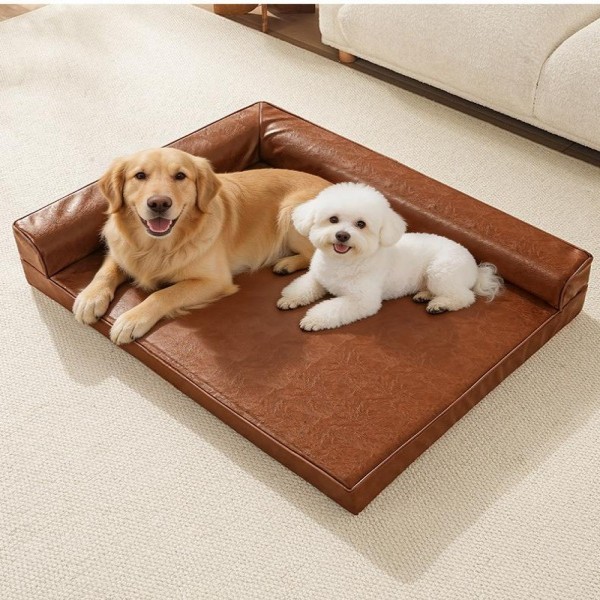
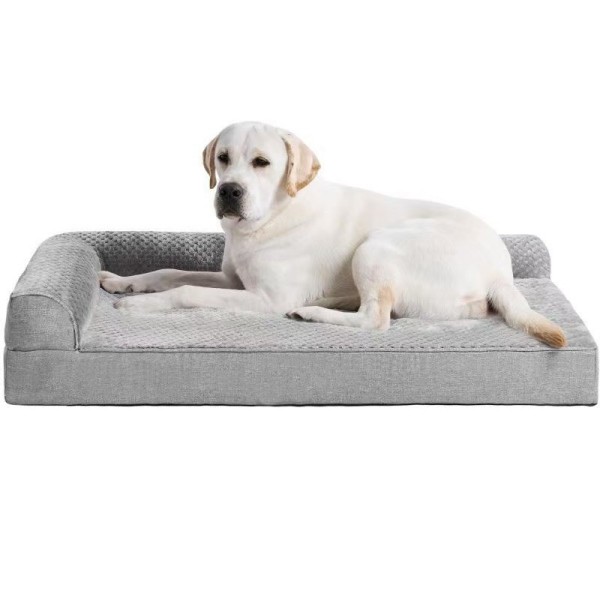
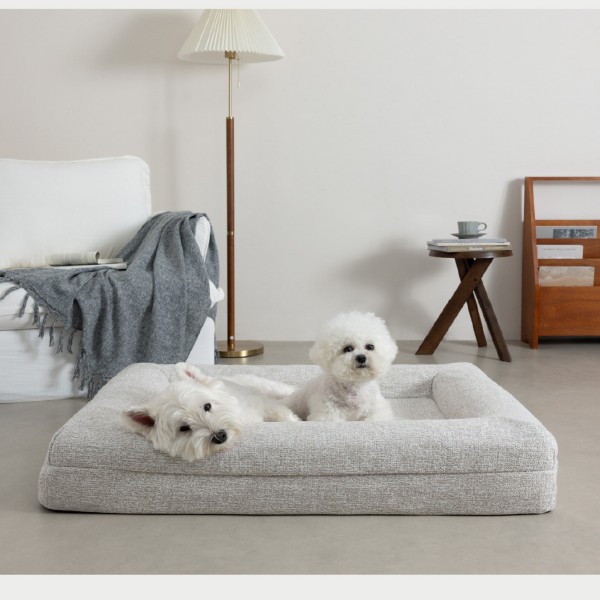
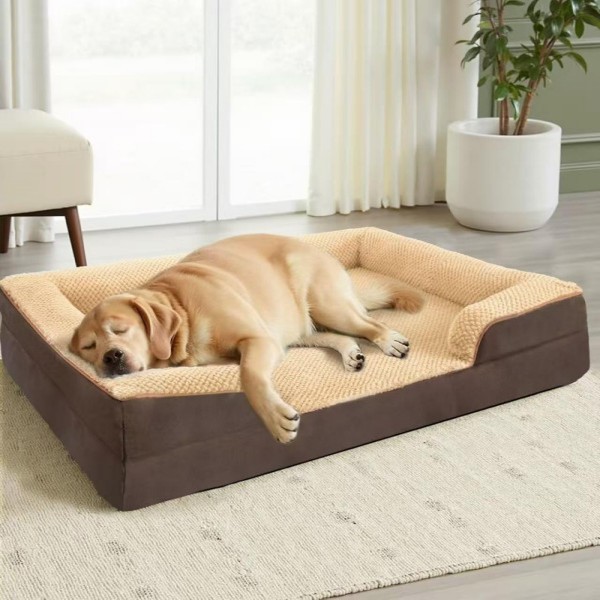
A dog crate furniture program needs usable interior dimensions, ventilation, reliable doors, finished surfaces, and carton protection. An orthopedic dog bed needs foam support, usable sleeping area, fabric, liner, and cleaning requirements.
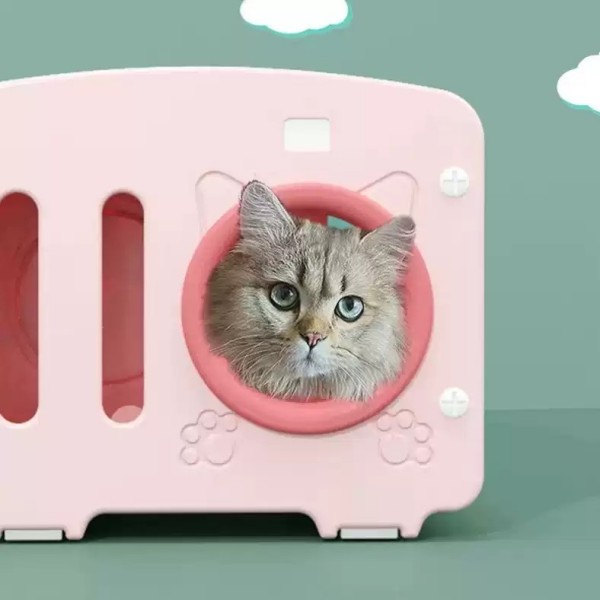
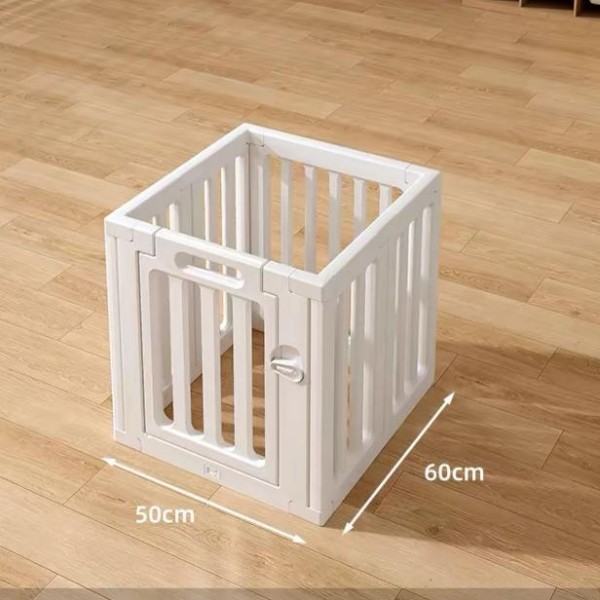
For plastic modular indoor dog playpens, connector fit, panel gaps, stability, and latches matter. For modular cat wall furniture, mounting hardware, surface finish, packaging, and instructions become more important.
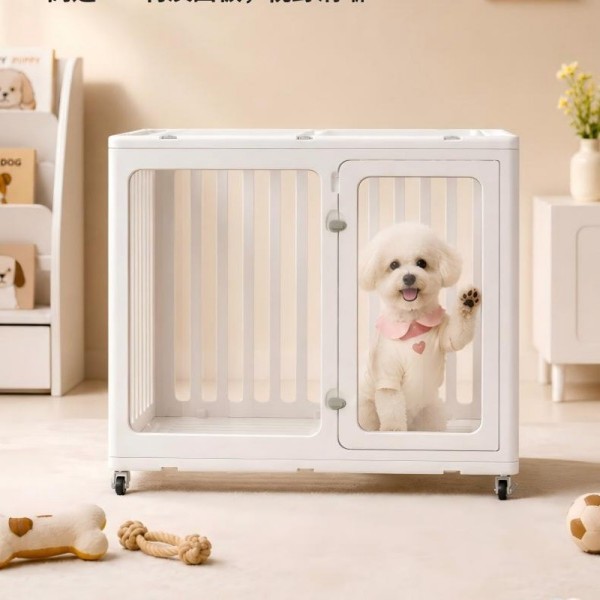
The more clearly you define the use scene, the easier it becomes to compare factories on something more useful than price.
Build a Real Specification Before Requesting Quotes
Your RFQ should describe the product you want to buy, not just the product name.
For furniture-style pet products, I would normally lock:
- finished and usable dimensions
- target pet size or weight range
- main material and material thickness
- foam type, firmness, and layer structure when relevant
- fabric or surface specification
- hardware, latches, connectors, and fasteners
- color and finish
- cleaning method
- packaging method
- carton dimensions and gross weight
- logo, label, manual, and private-label requirements
- testing or compliance requirements for the destination market
This prevents an easy sourcing mistake: comparing two quotes that describe different products.
A lower price may come from thinner board, lighter plastic, softer foam, cheaper hardware, weaker fabric, or simpler packaging. Without written specifications, you are comparing different products.
Verify the Supplier Behind the Quote
A large catalog does not prove manufacturing capability. Ask who makes major components, where final assembly happens, which processes are outsourced, and who controls quality before packing.
For higher-value orders, perform supplier due diligence before committing meaningful deposits. Check business identity, production capability, communication quality, category experience, and whether the team can answer technical questions consistently.
Do not reject a trading company automatically or trust a factory automatically. The better partner controls specifications, communication, quality, documentation, and corrective action.
Use Samples to Lock the Product, Not Just to Approve the Look
A sample is useful only when it becomes a reference for mass production.
Check dimensions, fit, assembly, materials, color, finish, hardware, packaging, and actual use. For foam products, allow expansion time before judging support.
Once the sample is approved, turn the important details into a written specification or “golden sample” standard. Photograph details that are easy to misunderstand.
In real sourcing work, one expensive failure pattern is not a bad sample. It is a good sample followed by a bulk order that quietly changes foam, fabric, hardware, dimensions, finish, or packaging.
Create a Quality-Control Checklist Before Production
Do not wait until the shipment is finished to decide what “acceptable” means.
Your checklist should reflect how the product can fail in the real home:
| Sourcing Stage | What to Lock | Why It Matters |
|---|---|---|
| Before production | Materials, dimensions, colors, hardware | Prevents silent substitutions |
| First production units | Assembly, fit, finish, function | Catches interpretation errors early |
| During production | Consistency and workmanship | Finds drift before the full order is packed |
| Pre-shipment | Quantity, defects, labeling, cartons | Gives you a final release point |
| Container loading | Carton count and loading condition | Reduces shipment and quantity disputes |
For playpens, inspect gaps, connectors, latches, base movement, edges, and small parts. For crate furniture, check usable space, airflow, hardware, assembly, finish, and carton protection.
Inspection should follow the signed specification. “Looks okay” is not a useful QC standard.
Treat Packaging as Part of the Product Cost
Pet furniture is unusually sensitive to packaging because many items are bulky, assembled from multiple components, or visually important in the home.
A good product can still create losses through crushed corners, scratched acrylic, bent panels, flattened foam, missing hardware, or weak cartons.
Before mass production, confirm inner protection, corner protection, hardware bags, part labels, carton strength, packed dimensions, weight, and loading method.
For flat-pack or wall-mounted products, instructions and hardware identification are part of quality.
Negotiate MOQ Around a Product Family
Do not negotiate MOQ only as “How low can you go?” Ask whether one production run can support several sizes, colors, fabrics, or compatible products without excessive material changes.
A first collection may combine crate furniture, beds, playpens, wall-mounted cat products, or foam dog stairs around one home-living concept.
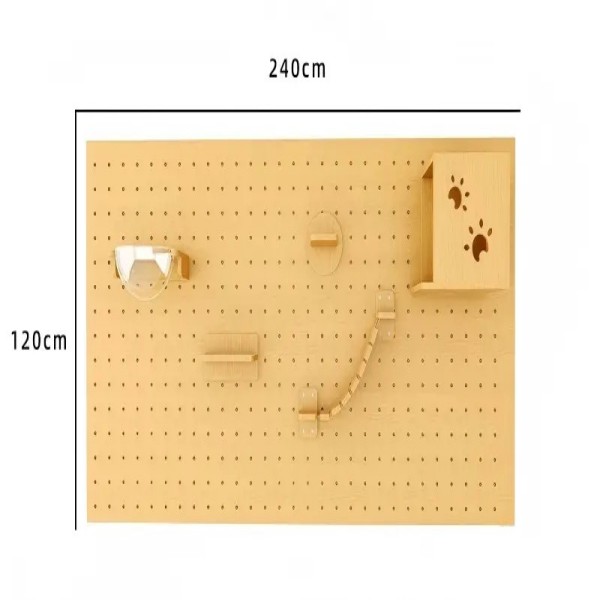
For private label, start with changes that the market can see but production can control: color, fabric, surface finish, logo, care card, packaging, product naming, and accessory bundles.
Complex structural customization makes more sense after the category has proved demand.
Compare Landed Cost, Not Factory Price
Build landed cost from product, packaging, inland transport, inspection, export handling, freight, insurance when used, brokerage, duties, destination charges, warehousing, and expected damage or replacement cost.
For U.S. imports, CBP’s basic importing guidance makes clear that importers remain responsible for meeting applicable import requirements. Current duties and trade measures can change, so confirm the classification and current treatment before pricing your retail program.
Do not let an attractive FOB or DDP number replace your own landed-cost calculation.
Choose Incoterms With Your Logistics Control in Mind
The Incoterms® 2020 rules allocate delivery responsibilities, costs, and risk between buyer and seller.
Do not choose EXW, FOB, FCA, CIF, DAP, or DDP because one sounds cheaper. Choose the term that matches who can control export clearance, freight, insurance, import clearance, and delivery.
A “door-to-door” quote is incomplete if you do not know who acts as importer, how duties are handled, or which destination charges can still appear.
Check Compliance Before You Approve the Order
Compliance is a destination-market decision, not something to solve after production.
For U.S. importers, check the product against relevant CPSC import requirements and determine whether any consumer-product rule requires testing or certification. As of July 2026, CPSC’s certificate eFiling program is in effect for regulated products requiring certificates.
Country-of-origin requirements also matter. CBP publishes guidance on country-of-origin marking for U.S. imports.
If your pet bed or furniture includes textile components, review the applicable FTC textile labeling requirements instead of assuming a factory’s generic label is sufficient.
Other countries have different customs, labeling, chemical, packaging, and safety rules. The importer should confirm what the destination market actually requires.
Risk Before Profit: Five Problems to Control Early
1. Sample and bulk order do not match
Lock materials, dimensions, hardware, color, packaging, and approved references in writing.
2. Packaging fails
Test the carton as part of product development.
3. Freight destroys margin
Model packed volume and landed cost before finalizing the SKU.
4. Returns expose use problems
Check usable dimensions, assembly, cleaning, stability, and instructions before ordering at scale.
5. Import decisions depend entirely on the supplier
Use your own broker, forwarder, testing resource, or compliance adviser when the risk justifies it.
How Archova Approaches Pet Furniture Sourcing
Archova treats sourcing as product development rather than a catalog search. We help narrow product direction, compare materials, plan sizes, review structure and hardware, develop private-label details, and improve packaging before changes become expensive.
Our categories include dog crate furniture, orthopedic and comfort beds, modular dog enclosures, pet access products, felt cat hideaways, and wall-mounted cat furniture.
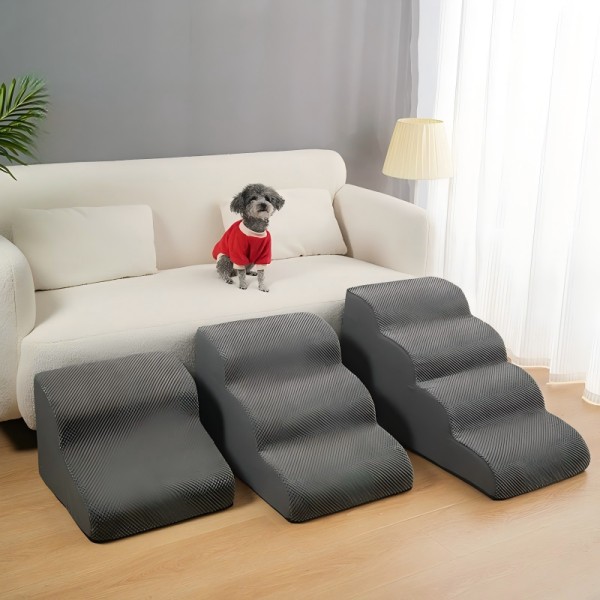
The goal is not to customize everything on the first order. The goal is to build a product that your market can understand, your supply chain can control, and your warehouse can receive without surprises.
When Sourcing Pet Furniture from China Makes Sense
China sourcing makes sense when you need broader material options, private-label development, related product categories, and enough volume to justify sampling, QC, and freight.
It is less attractive when the order is too small to absorb logistics costs or the specification is still too vague to control production.
The practical question is not “Is China cheap?” It is “Can you build a repeatable product and supply process at a landed cost your market can support?”
FAQ
How do I find a reliable pet furniture supplier in China?
Verify category fit, business identity, production control, sample quality, packaging capability, and communication. Do not choose by platform badge or price alone.
Should I buy directly from a factory?
Not always. A capable supplier or trading company can be useful when the product combines several materials or factories. What matters is who controls quality, documentation, and corrective action.
How many samples should I order before mass production?
Approve the exact configuration you intend to sell. Meaningful customization may require an initial sample and a revised pre-production sample.
Should I use FOB or DDP?
There is no universal best term. Choose an Incoterms® rule that matches your logistics experience, customs setup, and control over the shipment.
When should I inspect the order?
For repeat products, pre-shipment inspection may be enough. New or customized products may justify first-production or during-production checks.
What is the biggest sourcing mistake with pet furniture?
Treating unit price as the main decision. Dimensions, materials, packaging, freight volume, assembly, compliance, and return risk may matter more.
How should I start a private-label pet furniture order?
Start with a proven structure and controlled changes such as color, fabric, finish, logo, packaging, and accessories. Customize structure after demand is clearer.
Conclusion
Sourcing pet furniture from China works best as a product-development and supply-chain project, not a quote-collection exercise.
Define the product, verify the supplier, approve a real sample, lock specifications, inspect against them, test packaging, calculate landed cost, and confirm compliance before shipment.
That gives you a better chance of building a range that can be reordered and scaled without recurring surprises.
References
- U.S. Customs and Border Protection — Basic Importing and Exporting
- U.S. Commercial Service — Services in China
- International Chamber of Commerce — Incoterms® 2020
- U.S. Consumer Product Safety Commission — Import Resources
- U.S. Consumer Product Safety Commission — Mandatory Certificate eFiling
- U.S. Customs and Border Protection — Marking of Country of Origin on U.S. Imports
- Federal Trade Commission — Textile and Wool Labeling Requirements