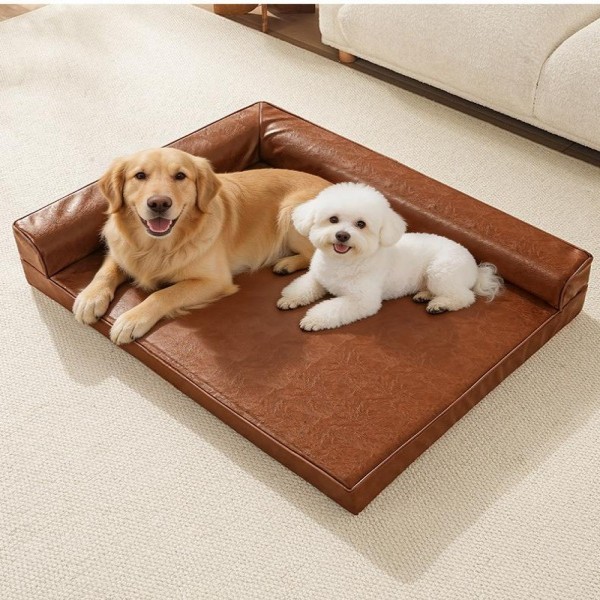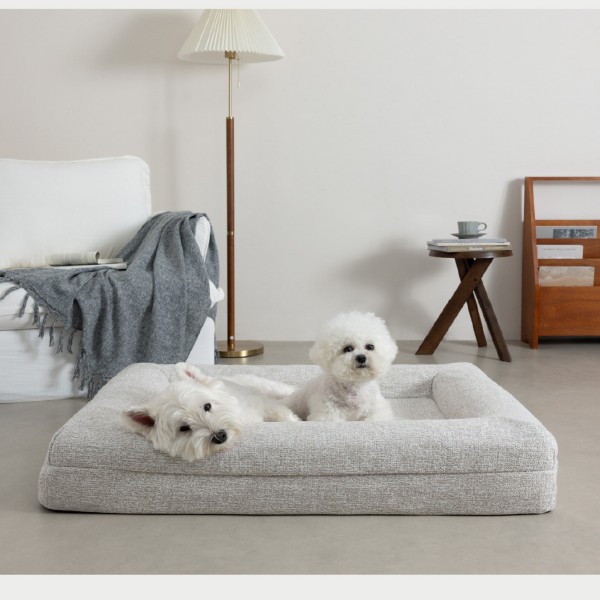
Not always.
Many dog beds sold as “waterproof” are more accurately beds with one waterproof or water-resistant component. That component may be the outer fabric, an inner liner, the base, or only the mattress sleeve.
A finished dog bed also has seams, zippers, joins, bolsters, and openings. Water can bypass a waterproof fabric if those parts are not protected to the same level.
For pet owners, the useful question is:
Which layer is waterproof, against what kind of moisture, and what happens at the seams and zipper?
For retailers and importers, those questions should be answered before “waterproof” appears on the product page.
Waterproof Can Mean Different Things
| Claim | What It Usually Means | What It Does Not Automatically Mean |
|---|---|---|
| Water-repellent fabric | Droplets bead on the surface | Pooled water cannot penetrate |
| Water-resistant cover | Fabric delays water entry | Entire bed is sealed |
| Waterproof fabric | Fabric passes a water-penetration test | Seams and zipper are waterproof |
| Waterproof inner liner | Foam has a moisture barrier | Outer cover stays dry |
| Waterproof base | Moisture from below is blocked | Urine from above cannot reach the core |
| Waterproof finished bed | Complete assembly resists water entry | Unlimited exposure in every condition |
This is why two products using the same word can perform very differently.
Waterproof Fabric Is Not the Same as a Waterproof Bed
Water performance can be measured objectively at fabric level.
The ISO 811 hydrostatic-pressure method measures resistance to water penetrating a fabric. AATCC TM127 also measures fabric resistance to water penetration under hydrostatic pressure.
Those are useful material tests.
But a dog bed is not a flat fabric sample.
The finished product adds:
- needle holes from stitching
- seam intersections
- zipper tape and teeth
- piping
- corners
- joins between panels
A fabric can perform well in a laboratory test while the assembled bed still leaks through one of those construction points.
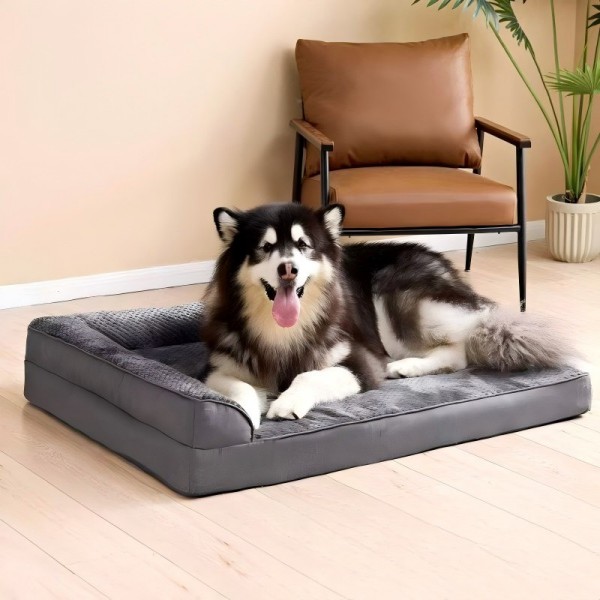
That is the first reason some “waterproof” dog beds fail in real use.
The Weak Point Is Often the Construction
A coated or laminated textile may block liquid across the middle of the panel.
The next question is what happens after that panel is cut and stitched.
Every seam changes the barrier.
A zipper creates another opening.
A join between the sleeping surface and sidewall creates another possible path.
For B2B development, I would inspect the final assembly around:
- main seams
- zipper area
- corners
- piping joins
- liner openings
- base-to-sidewall seams
A fabric certificate is only one part of the evidence.
Water-Resistant and Waterproof Are Not the Same Claim
For coated fabrics, ASTM D3393 establishes a hydrostatic-resistance criterion for waterproofness and distinguishes it from ordinary water resistance or repellency.
That distinction matters for dog beds.
A cover that handles wet paws or a small spill may be perfectly practical without being designed to withstand pooled urine for a long period.
For normal household use, water resistance may be enough.
For incontinence or repeated accidents, a dedicated barrier around the absorbent core is more important.
A Waterproof Liner Is Often the Most Useful Layer
For a foam bed, the support core is usually the hardest component to recover after a major accident.
A practical structure is:
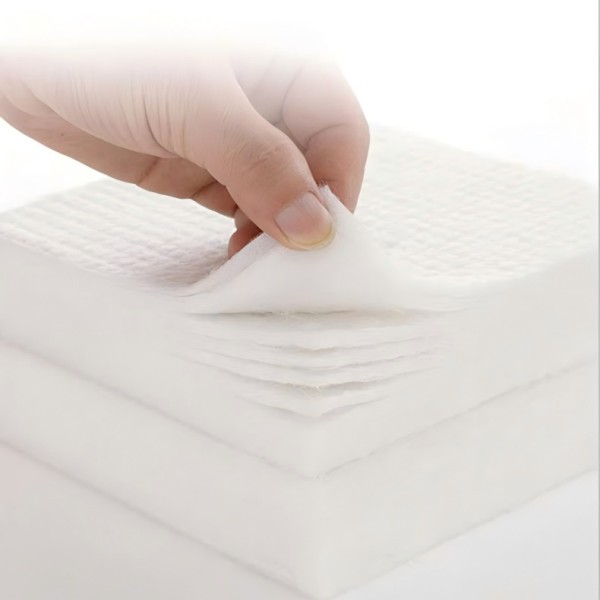
washable outer cover → waterproof liner → support core
The outer textile can remain soft.
The liner protects the component that is difficult to wash.
An extra large orthopedic dog bed becomes much easier to maintain when the foam core is protected instead of being expected to absorb repeated cleaning.
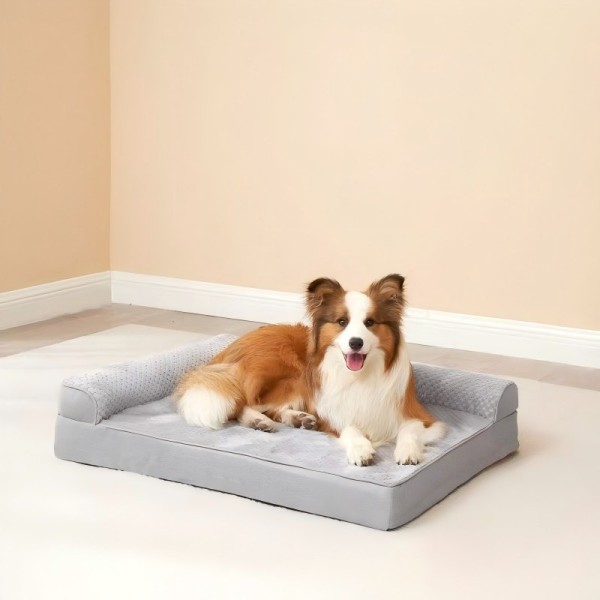
This also makes the claim easier to write accurately:
“waterproof inner liner” is more precise than “100% waterproof dog bed.”
Why Urine Is Harder Than a Quick Splash
Urine can:
- pool in one area
- remain in contact with fabric
- run toward seams
- reach the zipper
- move between bolster and mattress sections
- penetrate slowly under body pressure
Real owner discussions repeatedly describe beds where a cover was marketed as waterproof, yet urine eventually reached the foam.
A five-second spill demonstration therefore tells you very little about long-duration exposure.
For an incontinence-focused product, testing should consider volume, dwell time, pressure, and construction weak points.
Senior-Dog Use Raises the Standard
Waterproof protection becomes more important when a dog has urinary or fecal incontinence.
Practical senior-care recommendations include washable or disposable waterproof bedding covers for pets with incontinence.
That does not mean every senior dog needs a sealed bed.
It means the component that is expensive or difficult to clean should be protected.
For a foam bed, that is usually the support core.
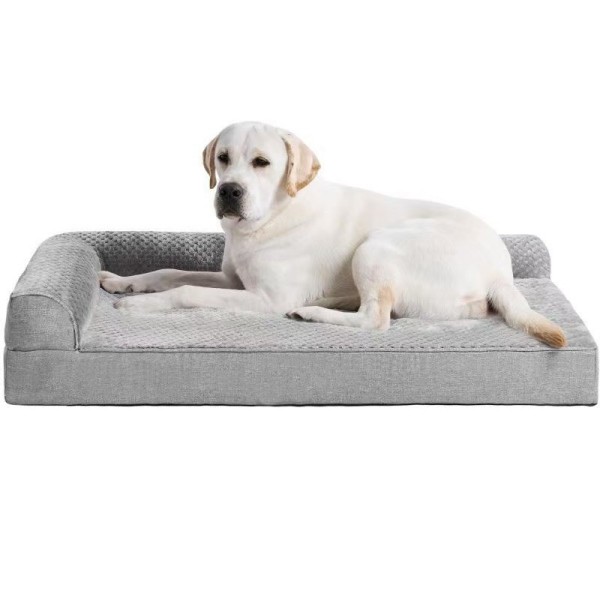
For B2B senior ranges, I would make the liner construction visible rather than hiding it inside a generic feature list.
Outdoor Waterproofing Is a Different Problem
Outdoor moisture can arrive from wet grass, damp concrete, dew, rain, a wet dog, or water flowing underneath the bed.
An indoor waterproof liner may protect foam from urine but still allow moisture to enter from wet ground.
A weather-oriented bed therefore needs to consider the underside and sidewalls as well as the top.
This is why “waterproof dog bed” is incomplete unless the intended use is defined.
Indoor incontinence protection and outdoor weather exposure are different design problems.
Washing Can Reduce Waterproof Performance
A waterproof layer is not automatically permanent.
Repeated washing, drying, folding, abrasion, and zipper movement can stress coatings, laminations, seams, or bonded layers.
Routine pet-bed cleaning should follow the product’s care instructions.
For B2B validation, I would compare performance before and after repeated cleaning:
- inspect the liner
- wash and dry as labelled
- inspect seams and zipper areas
- repeat the leakage test
- record any loss of barrier performance
A bed that is waterproof only before the first wash is not a strong long-term product.
Waterproof and Comfortable Can Pull in Different Directions
A fully sealed surface is easier to wipe clean.
But many pet owners do not want their dog lying directly on a plastic-feeling shell.
That creates a design trade-off:
- soft textile improves hand-feel
- breathable construction improves comfort
- waterproof membrane protects the core
- sealed outer shell improves wipe-clean performance
For a living-room orthopedic bed, a soft removable cover over a waterproof liner often makes more sense than a fully sealed outer shell.
For a hose-clean kennel pad, a sealed wipeable surface may make more sense.
How I Would Test a Waterproof Dog Bed for B2B Approval
A practical validation plan should separate material performance from finished-product performance.
| Test | What It Answers |
|---|---|
| Fabric hydrostatic test | Can the material resist water penetration? |
| Liner leak test | Does the barrier protect the core? |
| Seam exposure test | Do stitched areas leak? |
| Zipper-area test | Does liquid enter around the opening? |
| Dwell test | What happens when liquid sits for longer? |
| Loaded test | What happens when pressure is applied? |
| Post-wash test | Is protection retained after cleaning? |
For the textile stage, methods such as ISO 811 or AATCC TM127 give a defined measurement framework.
For the finished bed, the test should match the intended use.
“Waterproof” Needs Evidence Behind It
“Waterproof” is an objective performance claim.
Objective advertising claims should have a reasonable evidentiary basis.
For B2B teams, the practical rule is simple:
claim only what has actually been tested.
If only the liner has been tested, say waterproof inner liner.
If the outer fabric only resists light moisture, say water-resistant cover.
If only the underside is protected, identify the waterproof or moisture-resistant base.
Do not turn one component test into a whole-product promise.
What I Would Check Before Buying
Before buying a “waterproof dog bed,” I would ask:
- Which exact layer is waterproof?
- Is the foam fully enclosed?
- Does the liner have a zipper opening?
- Are seams sealed or simply stitched?
- Is the outer cover washable?
- Is the base protected too?
- Is the claim intended for spills, urine, or outdoor weather?
- Has performance been checked after washing?
If the product page cannot answer those questions, “waterproof” is incomplete information.
How Archova Approaches Waterproof Dog Bed Construction
At Archova, we would separate waterproofing into components instead of treating it as one checkbox.
The development sheet should identify:
- outer cover material
- cover water resistance
- liner material
- liner seam construction
- zipper configuration
- base construction
- core coverage
- wash-cycle durability
- finished-product leakage result
An orthopedic dog bed for crate can use the same logic where accidents and frequent cleaning are particularly relevant.
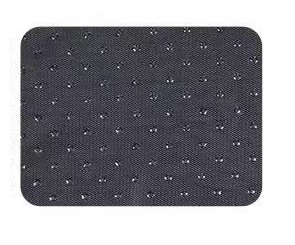
For private-label retailers, this creates clearer QC criteria and more credible product copy.
The goal is not to make the biggest possible waterproof claim.
It is to make the right waterproof claim about the right layer.
FAQ
Are waterproof dog beds completely waterproof?
Not necessarily. Many use waterproof fabric or a waterproof liner, while seams, zippers, or other sections may still allow moisture through.
What is the difference between waterproof and water-resistant?
Water-resistant materials resist water penetration to a degree. Waterproof claims imply a stronger barrier and should be supported by appropriate testing.
Is a waterproof liner enough for a dog bed?
For many indoor beds, it can be the most important protection because it keeps urine or spills away from the foam core.
Can urine leak through a waterproof dog bed?
Yes, especially if liquid reaches unsealed seams, zipper areas, gaps in the liner, or sections not covered by the waterproof layer.
Are waterproof dog beds useful for incontinent senior dogs?
A protected core and washable outer layer can be very useful. Verify what part of the bed is actually waterproof.
Can washing damage waterproofing?
It can affect some coatings, laminations, seams, and liners. Care instructions and post-wash performance both matter.
Is a waterproof dog bed suitable outdoors?
Only if the construction addresses moisture from the top, sides, and ground.
What should retailers test before using a waterproof claim?
Test the material, liner, seams, zipper area, finished bed, and performance after repeated washing. The test should match the intended use.
Conclusion
So, are waterproof dog beds really waterproof?
Some components can be genuinely waterproof. The whole bed is only as waterproof as its weakest construction point.
A tested waterproof fabric does not automatically make stitched seams waterproof. A waterproof liner does not make the outer cover waterproof. A waterproof base does not protect against urine from above.
For pet owners, the best question is: what exactly is protected?
For retailers and importers, the standard should be even clearer: define the layer, test the assembled product, repeat the test after cleaning, and make only the claim the evidence supports.
References
- ISO 811:2018 — Textiles: Determination of Resistance to Water Penetration
- AATCC TM127 — Water Resistance: Hydrostatic Pressure
- ASTM D3393 — Standard Specification for Coated Fabrics: Waterproofness
- FTC — Policy Statement Regarding Advertising Substantiation
- AAHA — Communicating With Families of Senior Pets
- CDC — About Cleaning and Disinfecting Pet Supplies