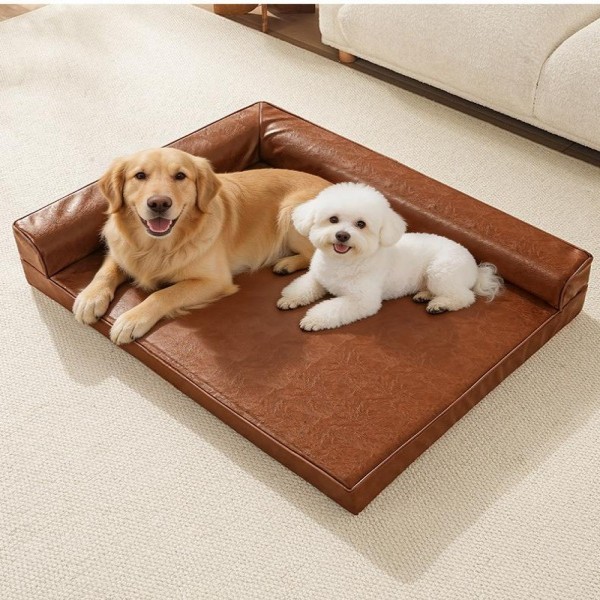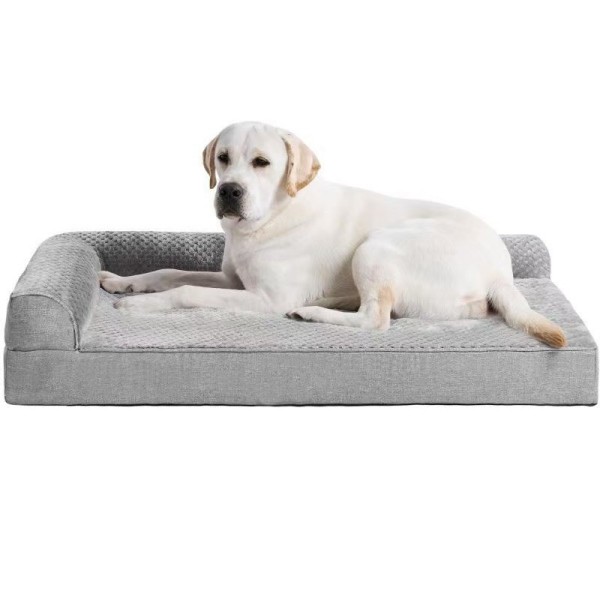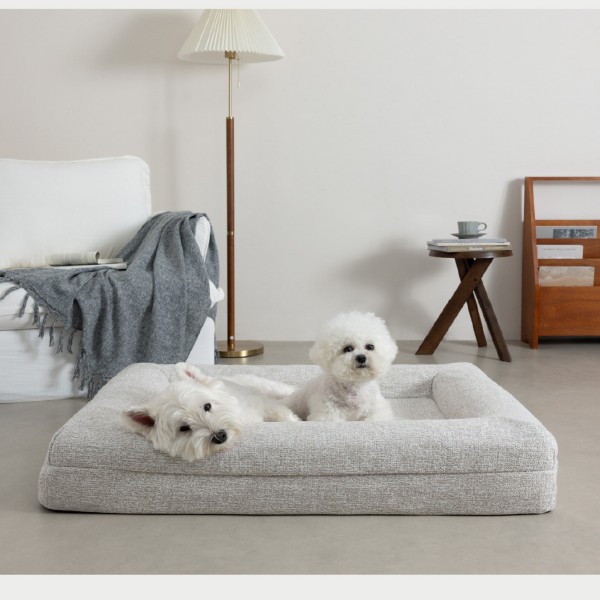
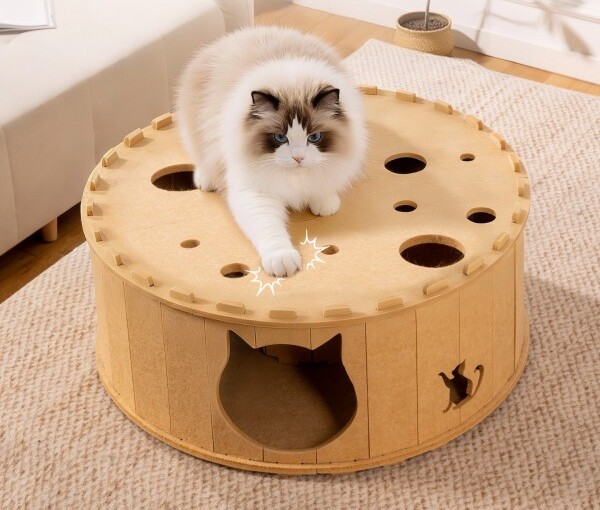
To be honest, this comparison is not really about felt versus plush.
It is about a very common problem in cat products: pet owners buy a beautiful bed, place it carefully at home, and the cat sleeps in the shipping box instead.
That is the fear behind this search. People want to know which bed has a better chance of being used, not which material sounds nicer in a product description.
For your cat bed range, that makes the decision more serious. A felt cat cave and a plush cat bed may both look soft, but they speak to two very different cat habits.
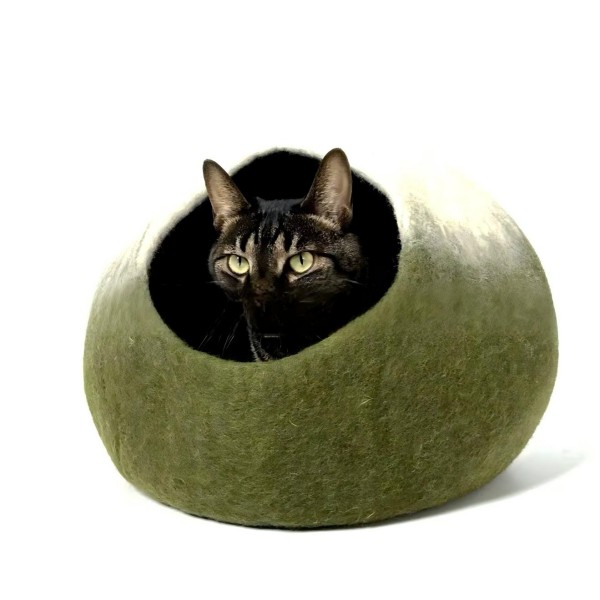
The Cat Decides Before the Material Does
I would not start this decision with fabric. I would start with the cat’s favorite hiding place.
Some cats choose open places. They sleep on the sofa arm, the window ledge, the carpet, or the middle of the bed. These cats want comfort, but they also want to see the room.
Other cats disappear into boxes, cabinets, laundry baskets, and under-chair corners. These cats are not just looking for softness. They are looking for cover.
That is why felt caves work for some cats so well. They feel like a small private room. But if a cat has never liked enclosed spaces, a cave may look charming to people and feel unnecessary to the cat.
Why Felt Cat Caves Feel More “Cat-Like”
A good felt cat cave has a reason to exist. It copies what cats already do.
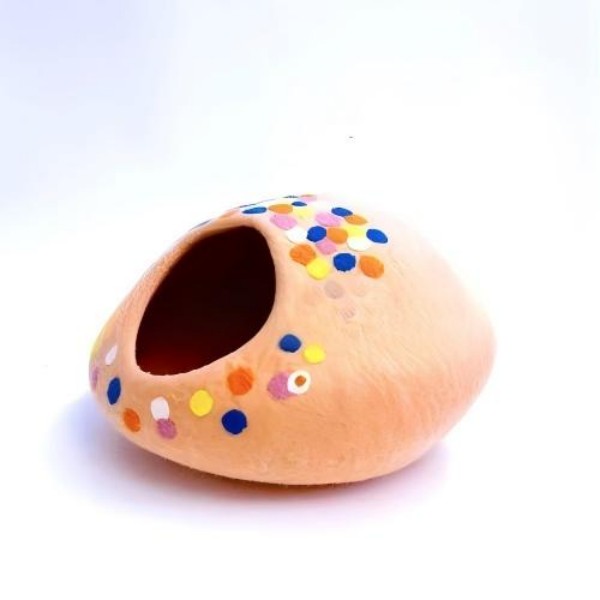
Cats hide, curl, and often seek warm resting places with edges or cover. A felt cave gives all of that in one object.
This is why felt caves often feel more distinctive than ordinary soft beds. They are not just another cushion. They offer privacy, warmth, and a small territory.
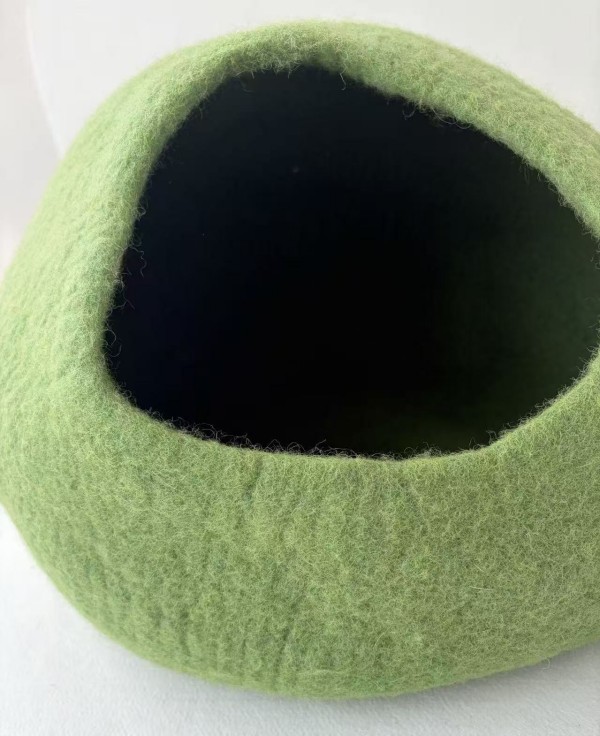
In our product checks, I usually pay attention to the entrance first. A cave can have beautiful felt, but if the opening feels tight, the cat may stop at the door. Some will sniff it and leave. Some will press it down and sleep on top.
And honestly, that is the funny part with felt caves. Sometimes the cat still uses the product, just not in the way the product photo promised.
Plush Beds Win Because They Ask Less
A plush cat bed is less dramatic. It does not ask the cat to enter, squeeze, or trust a covered space.
That is its advantage.
The cat steps in, turns around, kneads a little, and settles. For older cats, larger cats, or cats that like to watch the room, this lower barrier matters.
Plush beds are also easier for pet owners to understand: soft touch, visible sleeping area, familiar shape, and—when the construction allows it—straightforward washing.
But I would not call plush beds automatically safer as a product choice. Cheap plush beds can go flat quickly. They can trap hair, hold odor, slide on smooth floors, or look tired after washing.
A plush bed is easy to sell once. Whether it stays useful depends on filling, fabric, stitching, base, and wash performance.
The Real Difference Is Not Comfort. It Is Commitment.
A felt cave is a stronger personality product. When it works, it feels special. It gives your range a more designed, modern, cat-focused feeling.
A plush bed is a broader comfort product. It is familiar, easy to understand, and usually easier for first-time pet owners to accept.
So I would not ask, “Which one is more comfortable?” That question is too simple.
The better question is: how much risk can your market accept?
A plush bed has lower behavior risk. More cats understand it quickly.
A felt cave has stronger character, but it depends more on the cat’s hiding habit, the entrance size, and whether the cave holds shape.
Seasonality Changes the Answer
Felt caves feel stronger in colder months. They hold warmth, feel cozy, and suit indoor winter scenes.
In a hot room, the same cave may sit unused for weeks. The cat may still like the material, but not the enclosed heat.
Plush beds can work across more seasons, especially if the design is open and breathable. That does not make them better. It just makes them less seasonal.
If your market has strong winter demand, felt caves deserve attention. If your market needs year-round basic comfort, plush beds may carry the volume better.
Cleaning Is Where People Become Less Romantic
Everyone loves a cozy cat cave in a photo. Fewer people love cleaning hair from inside it.
Felt caves usually need vacuuming, spot cleaning, reshaping, and careful drying. If the cave loses structure after cleaning, the product value drops fast.
Plush beds are often easier, especially when the cover is removable or the full bed is washable. But washable does not mean durable. Some plush beds come out of the wash looking weaker than before.
This is where I would slow down before choosing. Cleaning is not a small after-sales detail. It decides whether pet owners keep using the bed.
What I Would Check Before Choosing Either
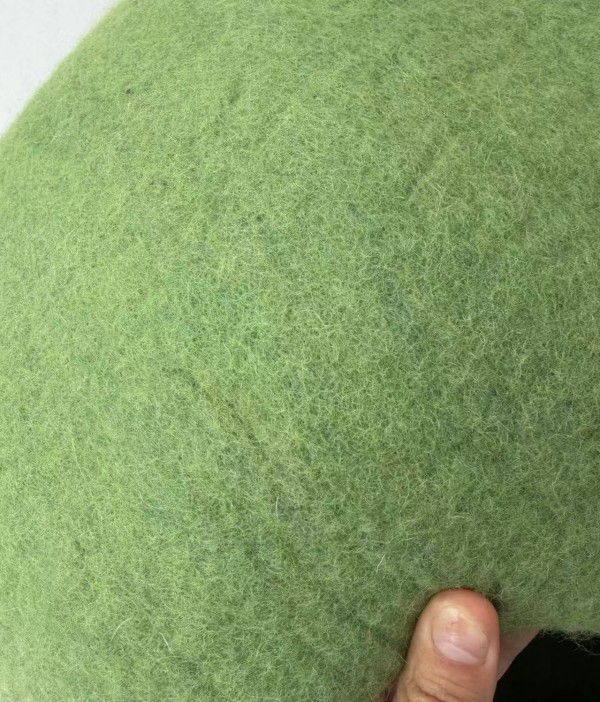
For a felt cat cave, I would check the entrance, inner space, felt thickness, smell, shape recovery, seam strength, and packaging compression.
For a plush cat bed, I would check filling rebound, washable structure, fabric shedding, non-slip bottom, stitching, and whether the center sleeping area is large enough.
That may sound too practical, but this is where many cat beds fail. Not because the idea is wrong, but because the structure does not survive real home use.
A cat bed is judged quietly. No one argues with it. The cat either uses it or walks away.
Where Felt Caves Make More Sense
I would lean toward felt caves when your range needs something with stronger identity.
They work well for indoor cat collections, apartment cat comfort, winter products, minimalist home style, and cats that naturally seek privacy.
They also pair nicely with cat tunnels, cat houses, wall furniture, and woven cat beds. Together, they create a more complete indoor cat environment.
But I would not use felt caves as the only cat bed direction. They are too specific for that.
Where Plush Beds Still Have Power
Plush beds are not exciting in the same way, but they are dependable when done well.
They suit broad daily comfort, first cat beds, senior cats, larger cats, and homes where easy washing matters more than design personality.
A good plush bed can become the quiet workhorse of a cat comfort range. It may not create the strongest visual story, but it solves a simple problem clearly.
And sometimes that is exactly what the market needs.
My Practical Range View
If I were building this category carefully, I would not choose only felt or only plush.
I would start with one strong plush bed for broad use. Then I would add one felt cave for cats that want privacy and warmth. If there is room, I would add a semi-open shape between them.
That middle style matters. Many cats want a boundary, but not a fully closed cave. A half-covered bed, low basket, or wide-mouth cave can reduce the risk of non-use.
This is a more natural range than forcing every cat into one sleeping style.
How Archova Would Look at It
For Archova, the choice is not about chasing whichever cat bed looks cuter this season.
A felt cave needs the right entrance, stable shape, good felt feel, clean finishing, and packaging that does not destroy the form. A plush bed needs filling that does not collapse, fabric that feels good after real use, and a cleaning structure pet owners can handle.
We would usually keep private label changes practical at first: color, size, label, packaging, and maybe small shape adjustments. Too much complexity too early can make the product harder to control.
The better goal is simple: give your market a cat bed range with clear reasons to choose each style.
Conclusion
A felt cat cave is the more distinctive product. It is warm, private, and very “cat” when the structure is right.
A plush cat bed is the easier product. It is open, soft, familiar, and usually safer for broad acceptance.
Neither one is automatically better. The better choice depends on whether your market needs cozy hiding or easy everyday comfort.
If you can carry both, do it with purpose. Do not just add more beds. Build a small range that covers real cat sleeping habits.
FAQ
Why would a cat choose a felt cave over a plush bed?
A cat that already seeks boxes, closets, or covered corners may prefer the privacy and warmth of a cave.
Why would a cat ignore a felt cave?
The opening may feel wrong, the scent may be unfamiliar, the shape may collapse, or the cat may simply prefer open resting areas.
Are plush beds a safer product choice?
They usually have lower behavior barriers because the cat does not need to enter an enclosed space. Quality still depends on filling, fabric, stitching, base, and wash performance.
Which one is better for winter?
Felt caves usually have a stronger cold-weather story because the enclosed shape holds warmth.
Which one is easier to clean?
Plush can be easier when the cover or full bed is genuinely washable. Felt needs more careful spot cleaning and shape recovery.
Should a range include both?
Yes. Plush covers broad everyday comfort; felt adds privacy, warmth, and stronger product identity.
References