You do not need more pet products that only look nice in photos. You need items your customers can understand, use, and feel willing to pay more for.
That is where profitable pet furniture starts.
Start With the Buyer’s Real Motivation
When you look at pet furniture, do not start with the product category. Start with the reason your buyer cares and use market research to test whether that need can support a range.
You may want to expand a pet product line, raise average order value, build a private label range, or offer better home solutions. Each goal needs a different buying decision.
I usually begin with one question: what problem will this product remove from the customer’s home? If the answer is weak, the product may not protect your margin.
A profitable pet furniture product should solve both a pet need and a home need. That is the difference between a basic pet item and a sellable home-living product.
Think Like the Pet Owner, Then Buy Like a B2B Buyer
Your end customer may love pets, but they still care about the room. They may need a crate, cat wall furniture, pet gate, or dog bed, but they do not want clutter.
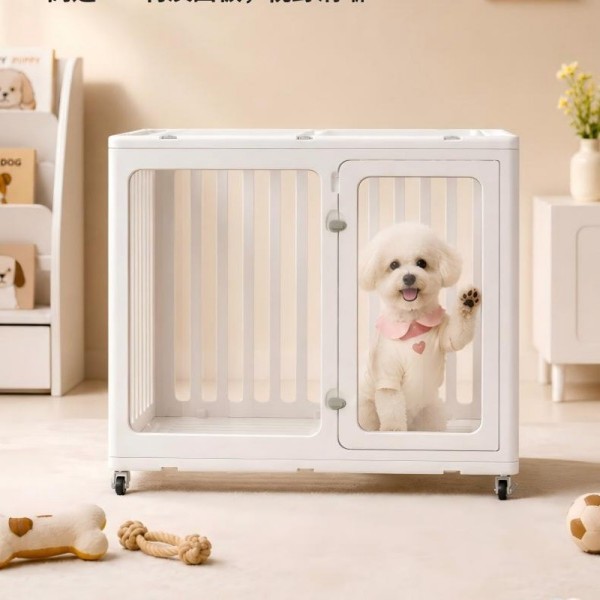
This is why home integration matters. A product that fits a living room, bedroom, hallway, or balcony has more value than one hidden away. Safe-space design and environmental choice also matter when the product contains or shelters an animal.
For you, that end-customer feeling becomes a business signal. If the product makes the home look cleaner, warmer, or more organized, it can support better positioning.
Archova builds pet furniture around modern pet living spaces. That means the product should work for pets and still belong in the home.
Choose Products That Solve More Than One Problem
The most useful pet furniture products rarely solve only one problem. They usually combine comfort, space, cleaning, safety, and room style.
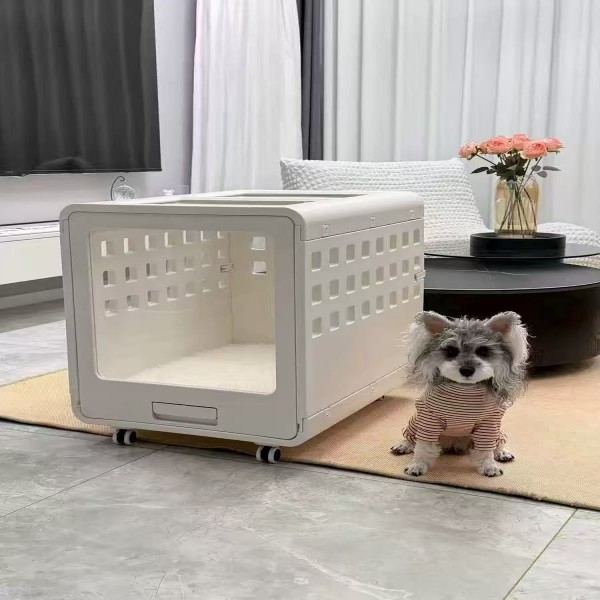
A dog crate end table gives the dog a resting space and gives the owner a side table. A hidden litter box cabinet hides mess and improves room appearance.
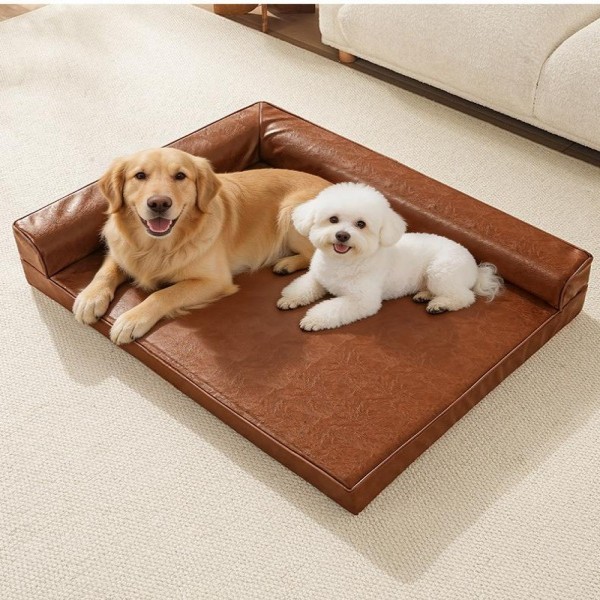
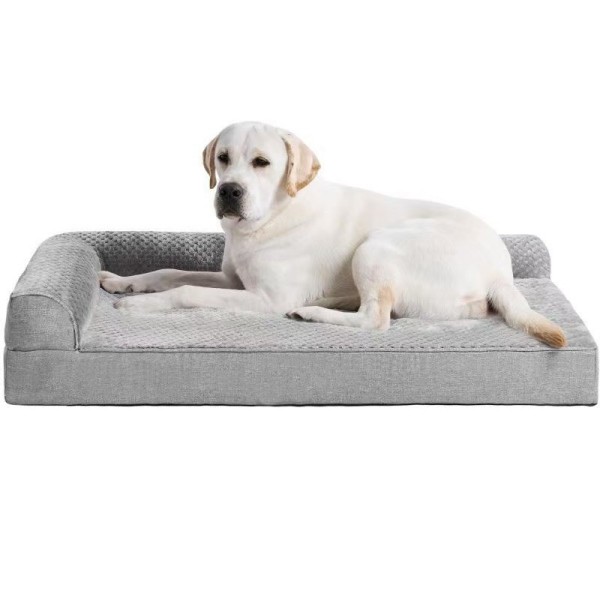
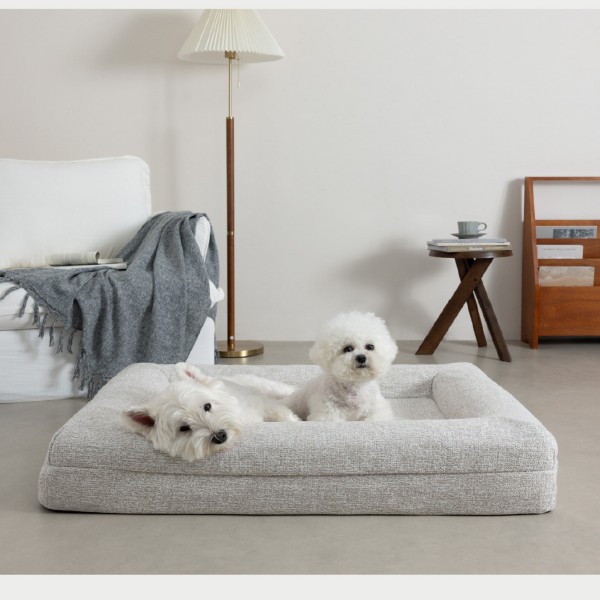
A freestanding pet gate controls space without drilling. An orthopedic dog bed supports the pet while making the rest area look more intentional.
I use this as a simple buying rule. If a product only solves one small problem, I become careful.
If it solves two or three daily problems, it has a stronger chance to sell. It also gives your team more value to explain.
Use Home Value to Escape Price Competition
Basic pet supplies often fall into price comparison. Pet furniture gives you more room to differentiate when the product solves a visible home problem as well as a pet need.
Dog crate furniture, wall-mounted cat furniture, pet gates, and sofa-style dog beds can support stronger positioning because the product becomes part of the room. Higher price only works when daily use, structure, and appearance justify it.
Check Whether the Product Is Easy to Sell
A good product should explain its value quickly. “This crate works as an end table” or “this gate controls space without drilling” is easier to sell than a feature list with no clear home benefit.
I also check whether the product can be photographed in a real room scene so size, function, and home value are obvious.
Choose by Room Scene, Not Only by Animal Type
Many buyers choose by dog or cat first. I prefer to choose by room scene first.
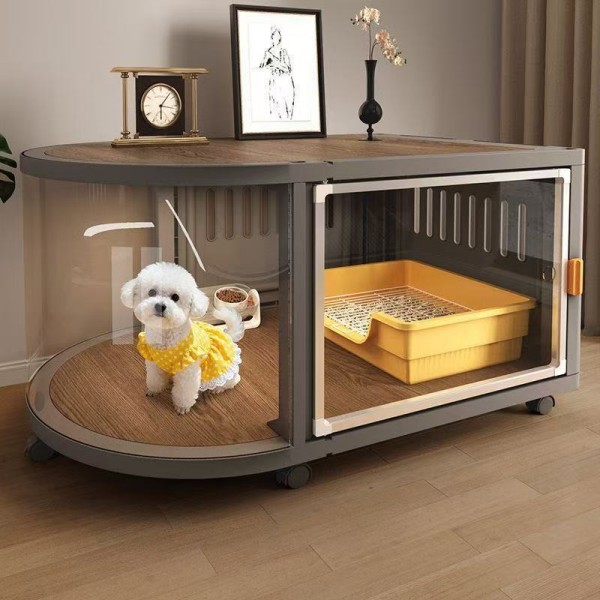
A living room pet furniture line may include crate end tables, pet gates, sofa beds, and litter box cabinets. These products can sit together in one customer story.
A cat vertical-space line may include cat wall furniture, wall shelves, bridges, and window perches. The value is not only play, but better use of home space.
A senior pet care line may include orthopedic beds, ramps, sofa stairs, and mobility support products. The value is safer daily movement.
This room-based thinking helps you avoid random SKUs. It also makes product display, catalog planning, and reorder decisions easier.
Let Material Support the Market Position
Material should support the product promise, not only the quote.
Wood and board suit classic furniture positioning. Resin composite and plastics can support easier cleaning and family use. Woven details create a warmer look. Foams, fabrics, metal, and stronger plastic components should be chosen around comfort, stability, and repeated handling.
A Practical Buying Lens
Before I recommend pet furniture, I check three things. They are simple, but they decide the real margin.
| Buying Lens | What It Means | Why It Matters |
|---|---|---|
| Home furniture value | Can it stay in a visible room? | Supports higher price and better display |
| Real daily use | Is it comfortable, cleanable, and practical? | Protects customer satisfaction |
| After-sales risk | Can it ship and assemble safely? | Protects margin after the sale |
This lens works for many products. It applies to crate furniture, cat wall furniture, pet gates, beds, ramps, and outdoor pet houses.
If one product fails all three points, I would not treat it as a core item. If it passes all three, it may become a category builder.
Do Not Let Cheap Quotes Hide Real Risk
A low quote can hide expensive problems. Damaged panels, missing hardware, weak latches, unstable layouts, flattened foam, and poor packaging all create after-sales cost.
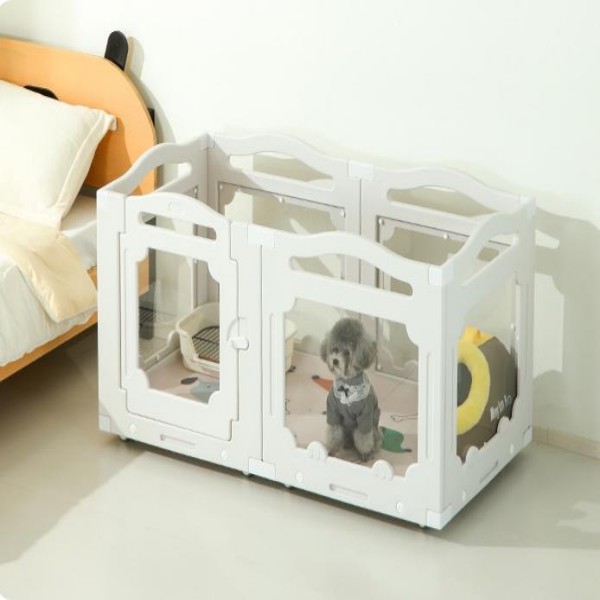
I treat returns, replacements, support time, and damage risk as part of product cost.
Size and Fit Are Not Small Details
Pet furniture must fit real animals, not only product photos. This is especially true for crates, beds, ramps, and cat platforms.
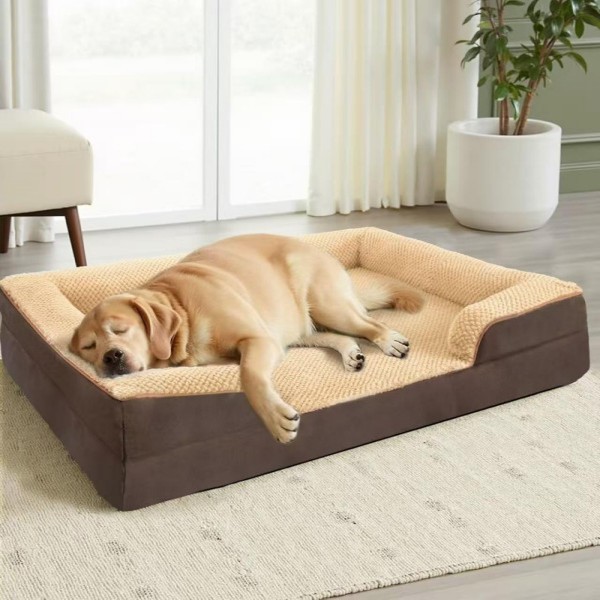
For dog crate furniture, internal dimensions matter more than outer size. The dog should stand, turn, and rest comfortably.
For cat wall furniture, platform size and base stability affect daily use. A beautiful cat wall furniture is weak if large cats cannot use it confidently.
For dog beds, foam thickness and body support should match the target pet size. A bed that looks full in photos may collapse after use.
Archova reviews usable size together with product appearance. This helps buyers reduce avoidable complaints.
Cleaning Can Decide Repeat Sales
Pet furniture lives with hair, dust, odor, and accidents. Easy-wipe surfaces, removable covers, washable fabrics, and accessible corners can protect the daily experience.
Cleaning claims should match the real structure. A good material cannot fix joints or grooves that constantly trap dirt.
Packaging Is Part of the Product
Bulky pet furniture can lose its margin through damaged corners, scratched panels, bent parts, or missing hardware.
Check packed dimensions, weight, corner protection, small-part organization, and assembly clarity before approving the order.
Private Label Should Start With Selling Value
Start with visible changes the market can understand: color, finish, logo, packaging, fabric, naming, and simple bundles.
For a first order, avoid structural redesign unless demand is already clear.
Build Product Groups, Not One Lonely SKU
A living-room line can connect crate furniture, pet gates, sofa-style beds, and indoor enclosures.
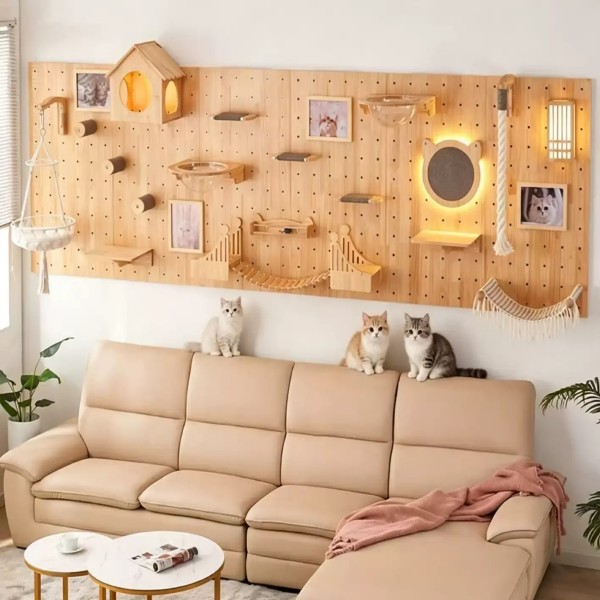
A senior-pet line can connect orthopedic beds, ramps, and low-step stairs. A cat-space line can connect wall-mounted shelves, modular cat wall furniture, and hideaways.
The products should share one use scene so the range is easier to display, explain, and reorder.
When This Product Direction Is Worth Adding
Pet furniture is worth adding when it improves the customer’s home and protects your business result.
For new buyers, start with one focused use scene. Current U.S. pet-industry data can help judge category size, but product-level testing should decide what you actually stock.
FAQ
What pet furniture is easier to sell?
Products with a clear home problem: crate furniture, pet gates, orthopedic beds, and cat wall furniture.
How do I judge profit potential?
Count freight, packaging, damage, returns, replacement parts, and support time—not only supplier price.
Should I start with many SKUs?
No. Start with a focused product group around one room scene or problem.
Which material should I choose?
Choose the use scene and price position first, then the material that supports that promise.
What is the biggest sourcing mistake?
Buying from photos and price alone without checking usable size, stability, hardware, cleaning, assembly, and packaging.
Is private label suitable for a first order?
Yes, when the first changes stay practical and visible.
Can pet furniture work in professional pet spaces?
Yes, but durability, cleaning, stable setup, and replenishment matter more than decorative styling.
References