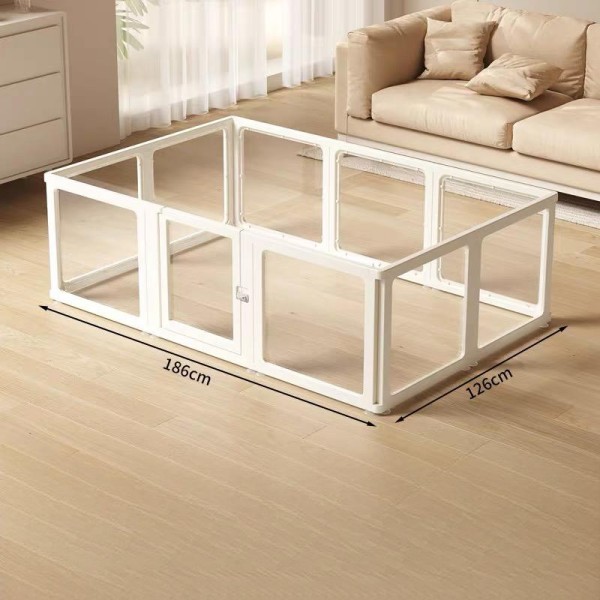
To clean a plastic dog playpen, remove the dog first, take out mats and bowls, wipe away loose dirt, wash the panels with mild soap and warm water, rinse well, and let every panel dry fully.
That sounds simple. But in real use, most cleaning problems start in the places people do not check: connectors, bottom edges, mats, and small gaps near the floor.
Start by Removing Everything Inside
Before washing the plastic dog playpen, remove bedding, bowls, toys, pads, mats, and any loose accessories.
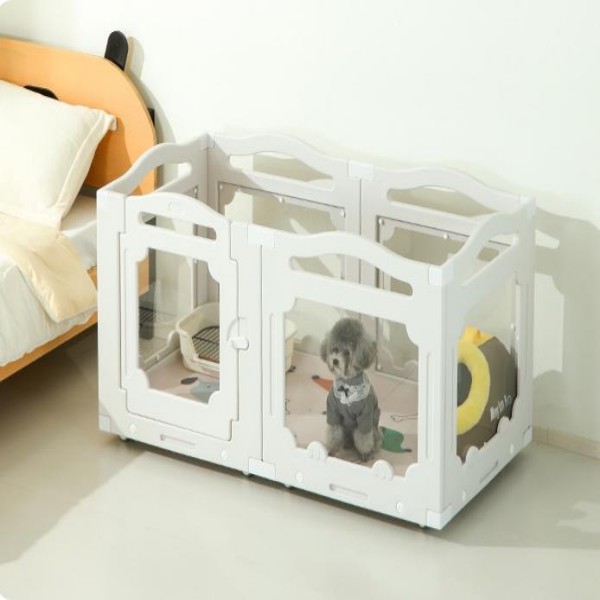
This step looks basic, but it matters. If the mat holds urine smell or food residue, wiping the panels alone will not solve the problem.
I usually check the mat first when odor is the complaint. In many homes, the plastic dog playpen is blamed, but the real smell comes from the soft accessories.
For B2B buyers, this is a product line opportunity. A plastic dog playpen becomes easier to sell when it is paired with washable mats and clear care guidance.
Separate the Panels When Dirt Reaches the Joints
For light daily cleaning, pet owners can often wipe the connected panel layout without taking everything apart.
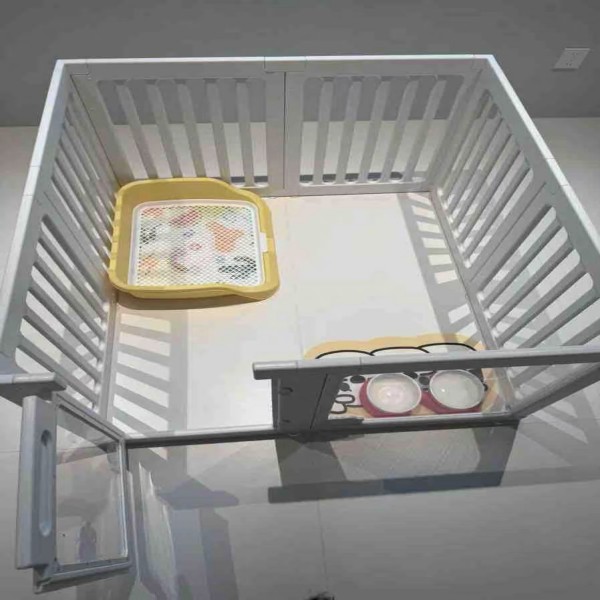
But if there is urine, mud, sticky food, or smell near the joints, separating the panels is usually better. Connector grooves can hold dirt longer than the flat panel surface.
Here is the part many buyers miss. A plastic dog playpen can look easy-clean from the front, but deep connector grooves may tell a different story after one messy week.
When I review a modular dog playpen, I always check whether the panels can be separated without frustration. Cleaning access is not a small feature. It is a real buying filter.
Remove Hair and Dry Dirt Before Adding Water
Use a dry cloth, soft brush, or handheld vacuum to remove hair, crumbs, dust, and dry mud first.
If water is added too early, loose dirt can become sticky. That makes the cleaning job slower and more annoying than it needs to be.
This matters most around lower edges, door panels, and connector bases. Small dogs and puppies leave most mess close to the floor.
A plastic dog playpen that cleans quickly will be used more often. A product that feels annoying to clean may be pushed into storage.
Wash the Panels With Mild Soap and Warm Water
For routine dirt, start with soap or detergent and water. Use a soft cloth or sponge and clean both sides of each panel.
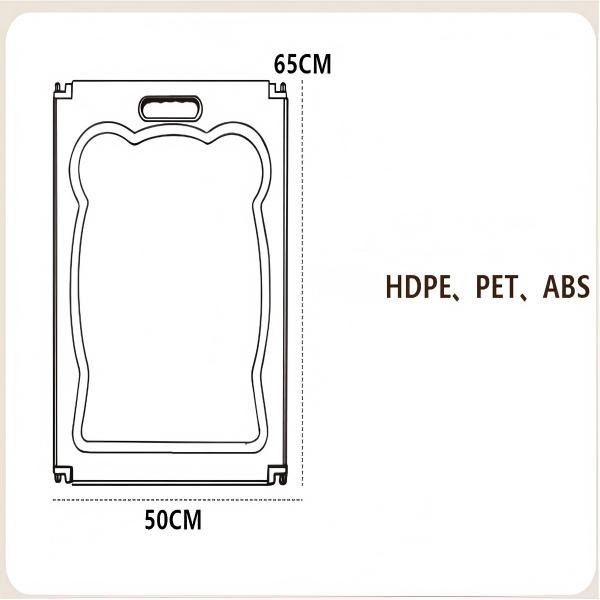
Avoid rough tools on glossy or transparent panels. If disinfection is needed later, clean first and follow the disinfectant label exactly.
Rinse Until the Surface Feels Clean
After washing, rinse the panels with clean water or wipe them several times with a damp cloth.
Soap residue is easy to ignore, but it can become a problem. It may make the surface slippery, attract dirt, or leave an unpleasant feel.
Pay attention to slot connectors, hinge areas, caps, and suction bases. Residue in these parts can dry slowly and hold odor later.
For retail and private label products, this is where a simple care card helps. Pet owners should not need to guess how much rinsing is enough.
Disinfect Only When There Is a Real Reason
Cleaning removes dirt; disinfection is a separate step used when you need to reduce germs, such as after illness or shared-animal use.
Use an EPA-registered disinfectant suitable for the intended hard surface and follow label directions for dilution, contact time, rinsing, ventilation, and re-entry. Never mix cleaning products.
Dry Every Panel and Connector Before Reuse
Dry every panel, connector, latch, suction base, cap, and bottom edge completely before reassembly or storage.
Keep the dog away until the surfaces are dry and ready for use according to the cleaner label.
Reassemble and Check Stability
After the panels are clean and dry, reconnect the modular dog playpen in the desired layout.
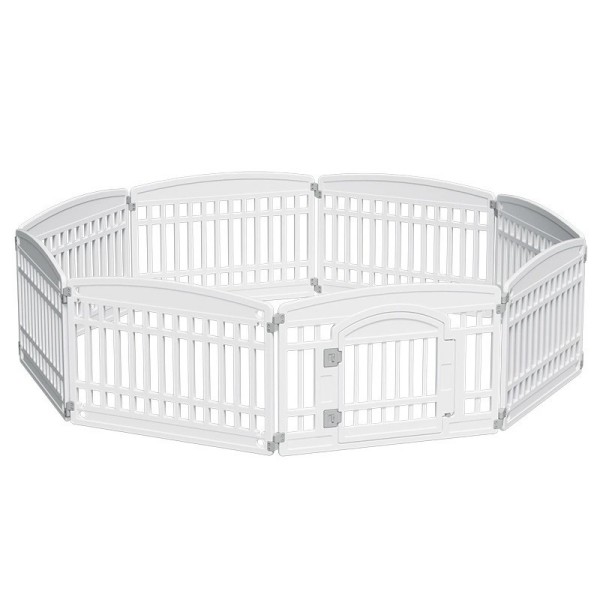
Check every connector, door latch, corner, and base support. Cleaning can loosen small parts if the panel system is not designed well.
If the dog playpen uses suction cups, clean the floor surface too. Suction bases work best on smooth, clean, dry floors.
I always test the door panel after reassembly. If the latch no longer lines up well, pet owners will notice immediately.
Quick Cleaning Guide for Pet Owners and Buyers
This guide is short on purpose. A care guide should be easy enough to follow on a busy day.
| Situation | Best Cleaning Action | What to Avoid |
|---|---|---|
| Daily hair and dust | Dry wipe, vacuum, mild soap if needed | Heavy disinfectant every day |
| Food or water spill | Warm water and mild soap | Leaving sticky residue |
| Urine accident | Wash, rinse, then use odor cleaner if needed | Covering odor with fragrance only |
| Mud after outdoor use | Remove dry dirt first, then wash | Scrubbing with rough tools |
| Shared pet use | Clean first, then disinfect when needed | Pets touching wet chemicals |
| Storage | Dry every panel and connector fully | Stacking damp panels |
I like this kind of table for product pages or packaging inserts. It gives pet owners confidence without overcomplicating care.
Material and Surface Finish Matter More Than Buyers Expect
Smooth panels and accessible edges usually make routine care easier. Deep texture may hide scratches but can also hold dirt; transparent panels show water marks and scratches more clearly.
Judge the surface together with the lower edge and connector geometry.
Connector Design Can Create Hidden Cleaning Problems
Every connector is a possible dirt trap. Slot connectors, clips, suction bases, hinges, and corner caps should be easy to inspect and wipe.
For modular products, cleaning access should be reviewed together with connector strength and assembly.
Cleaning Is Also a B2B Risk Issue
Odor, stained corners, sticky joints, and dirt traps can create support work even when the base material is not defective.
Treat cleaning design as part of product cost and after-sales planning.
Packaging Should Teach Care, Not Only Protect Panels
Packaging should protect the plastic dog playpen during shipping. But for modular products, packaging should also help pet owners use the product correctly.
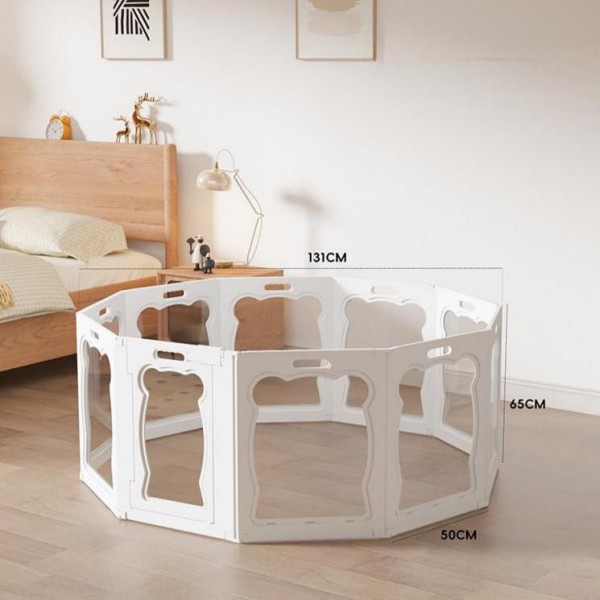
A simple care card can explain how to wipe, rinse, dry, and store the panels. This small insert can prevent many mistakes.
Connector bags and spare parts should be clearly labeled too. If pet owners separate panels for cleaning, reassembly should still feel easy.
This is where Archova often helps buyers think beyond the product itself. Clear instructions, part labels, and packaging logic reduce after-sales pressure.
Private Label Value in Easy-Clean Products
Easy-clean positioning can be a practical private-label angle. Color, surface finish, care cards, packaging, and washable-mat bundles may create enough difference for a first order without redesigning the structure.
How to Build a Cleaning-Friendly Product Line
Pair the playpen with washable mats, spare connectors, floor pads, or easy-clean gates so the line solves a daily-care problem rather than selling panels alone.
When a Plastic Dog Playpen Is Worth Adding
Add plastic playpens when your market values indoor appearance, easy routine care, lightweight handling, and flexible layouts.
Be careful with deep dirt traps, weak connectors, unclear care instructions, or surfaces that stain easily.
FAQ
What is the easiest way to clean a plastic dog playpen?
Remove accessories and dry debris, clean with soap or detergent and water, remove residue, and dry everything completely.
How often should it be cleaned?
Clean visible hair, food, water, and accidents as they occur. Deeper cleaning depends on use, illness, outdoor dirt, and shared-pet exposure.
Does it need disinfectant every day?
Usually not for normal household dirt. Cleaning and disinfecting are different steps.
How do you handle urine odor?
Clean the hard surface first, then use an appropriate odor-control product according to its label. Check mats, joints, and bottom edges too.
Can the panels be hosed down?
Only when the structure can be rinsed and dried completely afterward.
What should B2B buyers check?
Surface finish, dirt traps, connector grooves, mat compatibility, care instructions, part labels, and packaging.
Is resin composite automatically easy to clean?
No. Surface and connector geometry still matter.
References