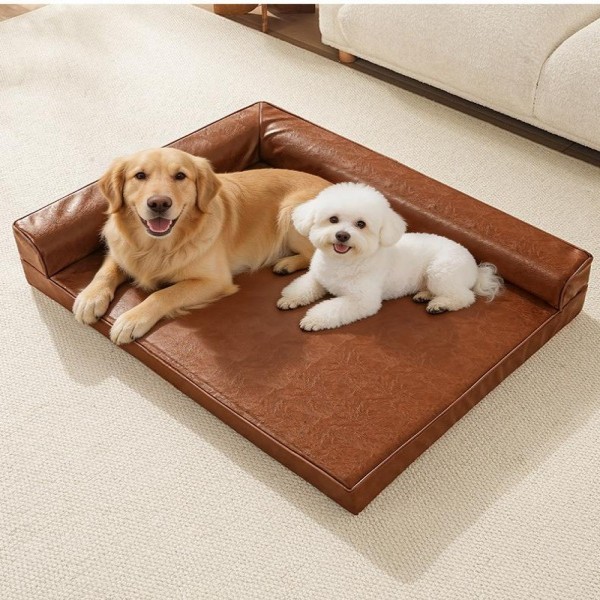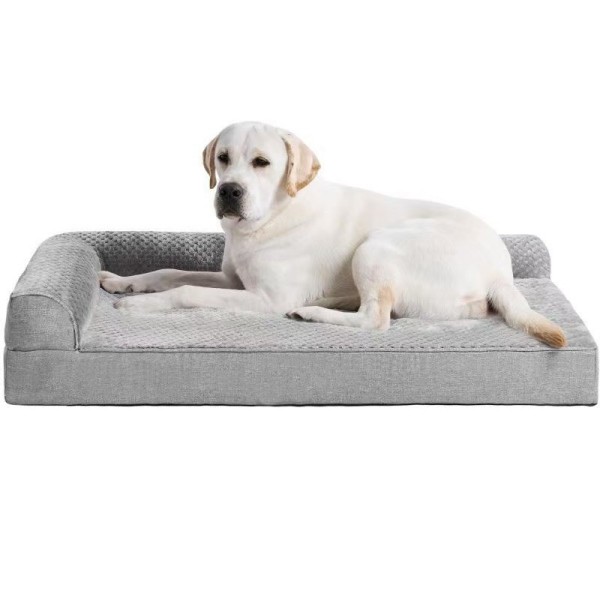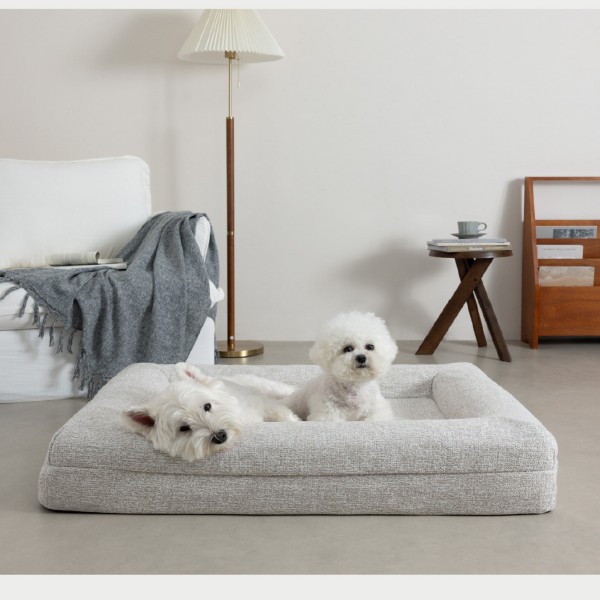
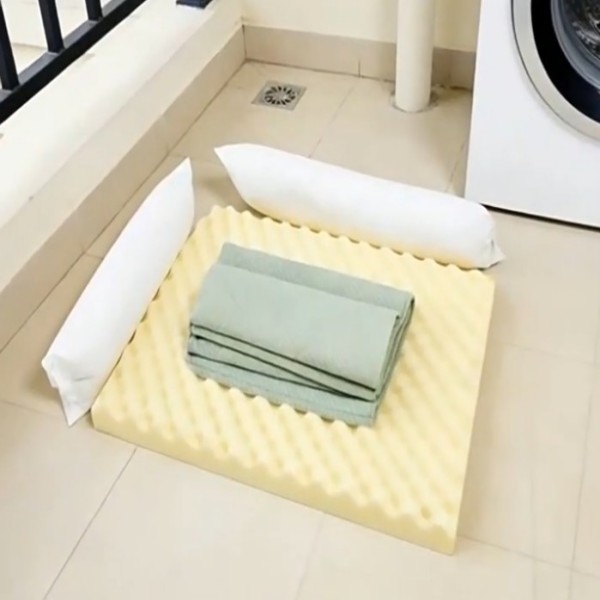
An orthopedic dog bed is not cleaned like a thin blanket or a simple mat. The support core, cover, liner, seams, zipper, and bottom fabric all need different care.
If you clean it the wrong way, the bed may lose shape, trap odor, or take too long to dry. The goal is simple: keep the bed fresh without damaging the part that gives the dog support.
Start by Knowing What Can Be Washed
Start with the care label and construction. A removable cover, protective liner, foam core, bolsters, and non-skid bottom may all require different care.
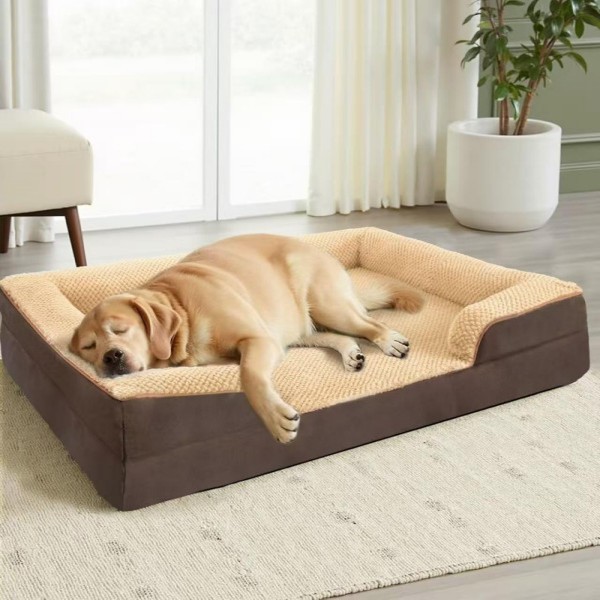
Wash or launder only the parts the manufacturer identifies as washable. The goal is to clean the surface without unnecessarily saturating or damaging the support core.
Do Not Wash the Foam Like Fabric
Do not assume the foam core can be machine washed. Unless the manufacturer specifically allows it, keep the foam out of the washer and avoid twisting or compressing it when wet.
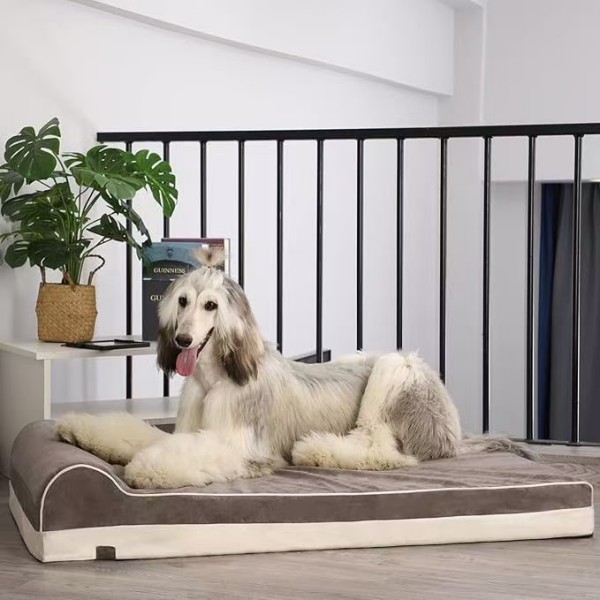
If the foam needs spot treatment, use as little moisture as practical and allow it to dry completely before the cover goes back on.
Remove Hair Before Washing
Dog hair becomes much harder to remove after washing. If you put a hairy cover straight into the machine, the hair can cling harder to the fabric or collect inside the washer.
I usually remove loose hair first with a vacuum, lint roller, brush, or damp cloth. Pay attention to corners, bolsters, zipper edges, and seams because hair likes to hide there.
This step feels boring, but it makes the rest of the cleaning easier. It also helps the cover wash more evenly and dry faster.
Clean the Cover According to Its Structure
If the cover is removable and washable, follow its care label. Remove loose hair first, close zippers when appropriate, use the recommended detergent and temperature, and dry the cover completely before reassembly.
Do not treat “washable” as permission to use high heat or aggressive chemicals when the backing, zipper, coating, or non-skid fabric has different limits.
Spot Clean the Foam Carefully
If liquid reaches the foam, blot first rather than rubbing it deeper into the core. Use only a small amount of suitable cleaning solution and moisture, then blot again.
Allow the foam to dry fully before reassembly. A surface that feels dry can still hold moisture deeper inside.
Odor Usually Comes From Hidden Areas
Odor may come from the cover, liner, seams, zipper track, bolsters, bottom fabric, or foam.
Separate the parts as far as the construction allows and identify the source before cleaning everything aggressively.
Be Careful With Accidents
Urine, vomit, and heavy drool should be handled quickly. Blot the liquid, remove the cover if possible, and check whether the liner kept the foam dry.
Clean each layer according to its care instructions and do not reassemble the bed until every part is dry.
Drying Matters More Than People Think
Drying is part of cleaning, not an afterthought. Damp covers, liners, and foam can hold odor and moisture.
Follow the care label for fabric drying and allow foam or non-machine-dry components to air dry completely before use.
Protect the Inner Foam
A protective liner is useful because it creates a barrier between the cover and the foam. It helps reduce the chance that moisture, dirt, and odor reach the support core.
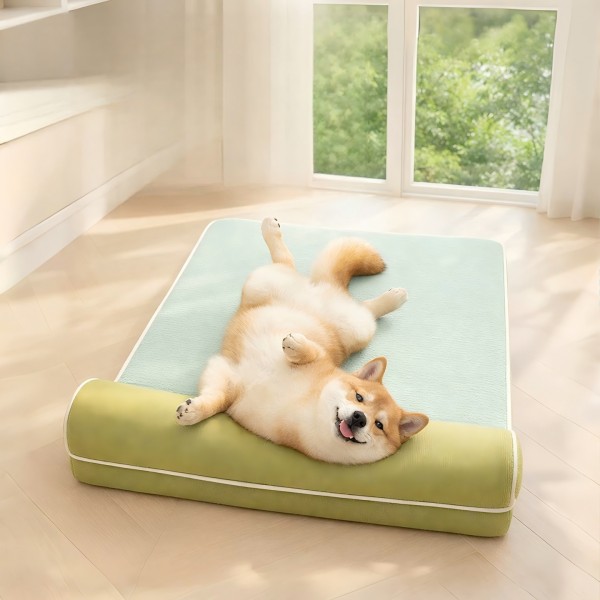
This is especially important for senior dogs, puppies, dogs with accidents, and dogs that come in from outdoor play. The cleaner the foam stays, the longer the bed keeps its value.
If the liner is removable, keep it clean but do not treat it roughly. If it is moisture-resistant, check that it is dry before reassembling the bed.
Maintain the Bolsters
Bolster beds need extra care because the raised sides collect hair, crumbs, drool, and odor. Dogs often rest their chin on the bolster, so that area can get dirty faster than the center.
I would clean the bolster seams and corners regularly. If the cover is removable, turn it inside out and check the inner corners before washing.
Bolsters also need to dry properly. A damp bolster edge can smell even when the flat sleeping area seems clean.
Check the Bottom Fabric
The bottom of the bed is easy to ignore, but it touches the floor every day. Dust, hair, moisture, and floor residue can collect there.
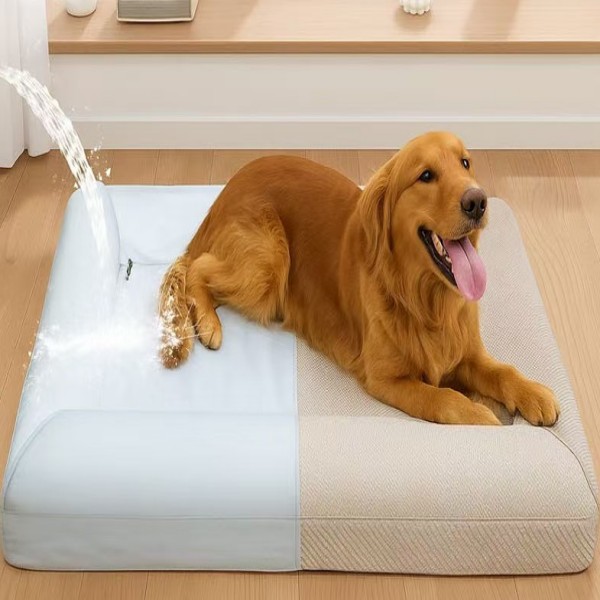
If the bed has a non-skid bottom, clean it gently. Strong scrubbing or high heat may damage the grip surface.
A clean bottom helps the bed stay steadier on smooth floors. It also keeps dirt from transferring back into the resting area.
Avoid Strong Cleaner Habits
Cleaning products should be used according to their labels. Avoid mixing cleaners, leaving residue, or allowing the dog back onto a surface that is still wet when the instructions require drying or rinsing.
For routine care, a neutral result is better than trying to create a strong perfume around a bed where the dog rests for hours.
What to Clean Weekly, Monthly, and After Accidents
| Situation | What to Do | Why It Matters |
|---|---|---|
| Weekly use | Remove hair and surface dirt | Prevents buildup and odor |
| Regular washing | Wash removable cover when needed | Keeps the sleeping surface fresh |
| Small stains | Spot clean quickly | Stops stains from setting |
| Accidents | Remove cover, check liner, blot foam if needed | Protects the support core |
| Odor | Separate cover, liner, and foam | Finds the real source |
| Smooth floors | Wipe the bottom gently | Helps maintain stability |
| Bolster beds | Clean seams and corners | Odor often hides there |
| Before reassembly | Dry every layer fully | Prevents trapped moisture |
This routine is practical because it follows how the bed is built. Cover, liner, foam, bolsters, and bottom fabric do not need the same treatment.
Maintenance Starts With the Right Bed Structure
Some orthopedic dog beds are easier to maintain because the structure is better planned. A removable cover, protected foam, strong zipper, practical fabric, and non-skid bottom all make daily use easier.
A one-piece foam body with fixed fabric can still work, but cleaning expectations should be realistic. It may be better for careful indoor use than for messy dogs or frequent accidents.
For heavy daily use, I would prefer a bed with a removable cover and inner protection around the foam. The easier the bed is to clean, the more likely it stays in use.
Fabric Choice Affects Cleaning
Fabric changes hair retention, stain visibility, drying time, and how often the cover needs attention.
Plush can feel warmer but may hold more hair. Woven or easy-care fabrics can be easier to brush and may suit heavier daily use.
Senior Dogs and Messy Use Need Extra Care
Senior dogs may spend more time resting and may also have more accidents. Easy entry, stable support, removable covers, liner protection, and a non-skid bottom can make the bed easier to live with.
The cleaning plan should match the dog’s real daily use, not only the product photo.
Large Dogs Need Stronger Maintenance Habits
Large dogs put more pressure on seams, zippers, bolsters, and the center sleeping area.
Check high-contact wear points regularly. Strong foam is not enough if the cover or zipper fails early.
When the Bed Should Be Replaced
Cleaning cannot restore a bed whose support has failed. Replace the bed when the foam stays flat or uneven, persistent odor cannot be removed, the cover is badly torn, or the dog can reach exposed foam.
The main value of an orthopedic bed is support. Once that support is gone, the product is no longer doing its main job.
How Archova Looks at Cleaning and Maintenance
Archova treats cleaning as part of product use, not an afterthought. For orthopedic dog beds, we look at foam protection, cover structure, liner options, fabric surface, zipper placement, non-skid bottom, and daily home care together.

For a senior dog direction, I would pay more attention to easy entry, stable support, removable cover options, and inner protection. For a large dog direction, I would focus on support depth, stronger fabric, and high-contact wear areas.
The goal is not only to make a bed that looks comfortable when new. The goal is to make a bed that stays practical after hair, odor, washing, and real dog use.
When Easy-Care Orthopedic Beds Are Worth Adding
Easy-care orthopedic beds fit senior dogs, large dogs, apartment homes, and pet owners who value clean living spaces.
The strongest direction combines a washable outer layer, protected foam, stable support, suitable fabric, and care instructions that match real use.
FAQ
Can you wash an orthopedic dog bed?
Usually the removable cover can be washed when the care label allows it. Do not assume the foam core is machine washable.
How often should it be cleaned?
Remove hair and visible dirt regularly. Wash the cover based on use, odor, accidents, and the care instructions.
How do you handle urine or vomit?
Remove the cover quickly, blot liquid, check whether the liner protected the foam, and clean each layer according to its instructions.
Can memory foam be machine washed?
Only if the manufacturer explicitly says it can. Otherwise, spot treatment and complete drying are safer than soaking.
How do you remove odor?
Separate the cover, liner, foam, bolsters, and bottom as far as the construction allows, then identify the layer holding the odor.
Is waterproof protection necessary?
It is more useful for puppies, senior dogs, or dogs with frequent accidents. The claim should match the real liner and seam construction.
What should you avoid?
Avoid ignoring the care label, soaking unsupported foam, mixing cleaners, leaving residue, or reassembling the bed while damp.
References