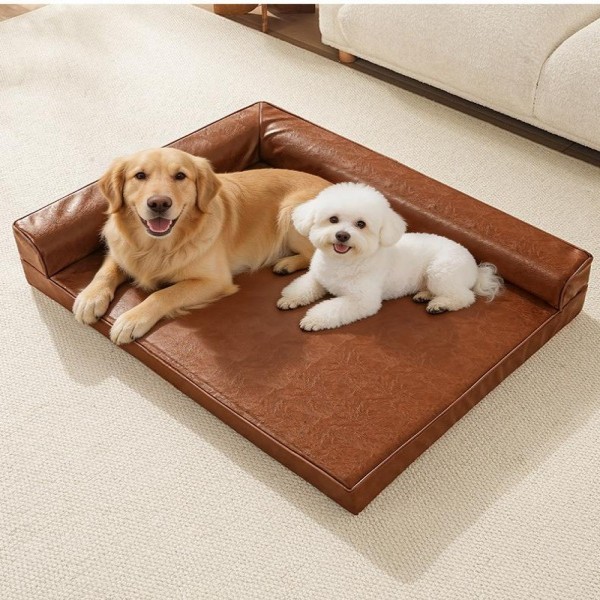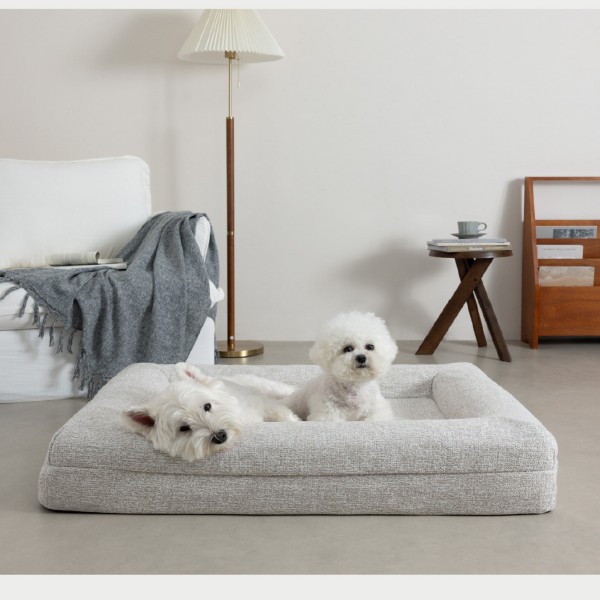
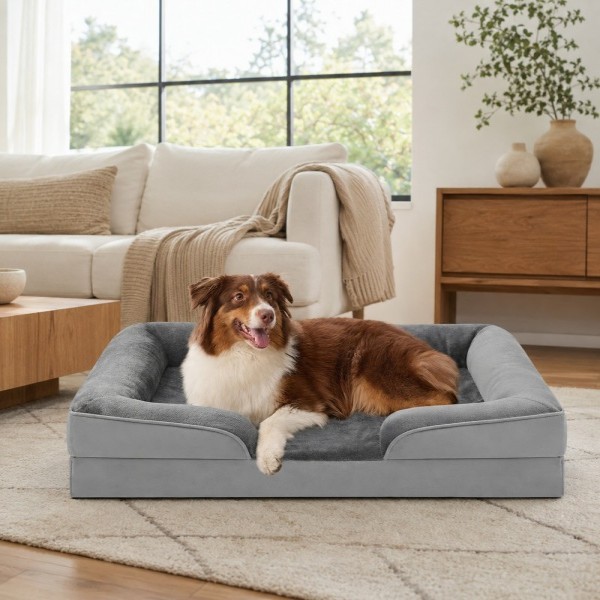
Starting an online pet supply business is easy. Building one that pet owners remember is harder. You are entering a large market, but also a crowded one. The safer path is to begin with a clear customer, a focused product range and products that solve visible daily problems.
Is an Online Pet Supply Business Still Worth Starting?
Yes—but not as another general pet store filled with random bowls, toys and beds.
The U.S. pet industry reached $158 billion in 2025, while 95 million U.S. households owned at least one pet. APPA projects industry expenditures of about $165 billion in 2026. The opportunity is real, but a large market also attracts strong competition.pet industry statistics show that demand alone will not differentiate your store.
You need to give people a reason to choose you over Amazon, a supermarket or an established pet retailer. That reason may be better design, easier cleaning, support for senior pets, small-space living or coordinated pet furniture.
Start With One Customer Problem
Many new sellers begin by collecting products they personally like. I would begin with one problem pet owners repeatedly experience.
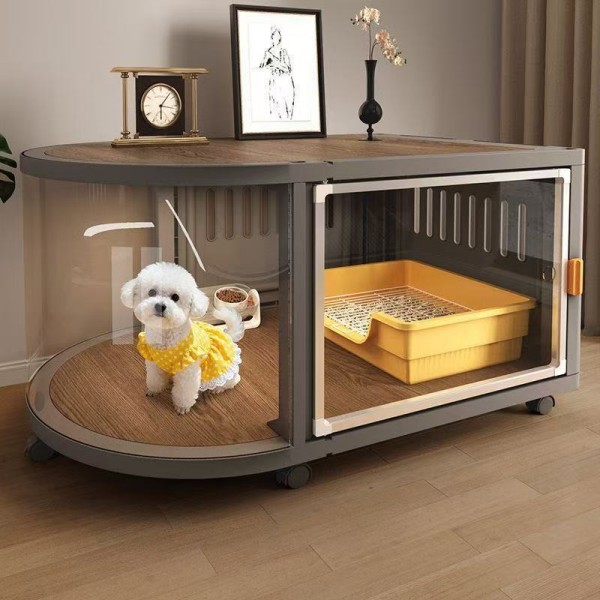
Perhaps they hate placing an ugly wire crate in the living room. They may struggle to find furniture that fits both the dog and a small apartment.
They may have a senior dog that needs a lower bed, ramp or easier access to the sofa. They may want outdoor products that resist moisture and clean more easily.
Each of these problems can support a focused online business:
- Modern pet furniture for living rooms
- Small-space pet products
- Senior pet support
- Outdoor and patio pet furniture
- Travel and car safety
- Easy-clean products for multi-pet homes
- Furniture-style crates and hidden litter cabinets
A focused store feels more trustworthy than a website selling unrelated products for every animal. Use market research and competitive analysis to test the target customer and the alternatives already serving them. It also makes your product selection and content easier to understand.
Choose the Right Business Model
You do not need to manufacture a new product before your first sale. Choose a supply model that matches your capital, quality-control ability, and delivery expectations.
| Business model | Main advantage | Main risk |
|---|---|---|
| Wholesale resale | Faster entry | Limited differentiation |
| Dropshipping | Low inventory commitment | Less control over delivery and damage |
| Private label | Stronger brand control | Requires samples, stock, and planning |
| Custom development | Distinct product structure | Higher cost and complexity |
| Curated collection | Strong lifestyle positioning | Products must look connected |
For many new pet-furniture businesses, practical private label is a reasonable middle path: start with a proven finished product, then change visible details after sampling.
Select Products That Belong Together
A stronger first range has one main product and several natural companions.
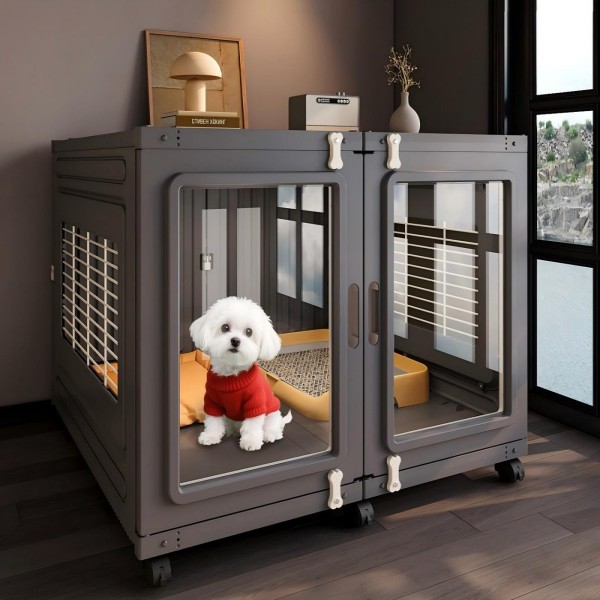
| Main product | Natural companion products |
|---|---|
| Furniture-style dog crate | Crate mattress, storage, feeding station |
| Orthopedic bed | Spare cover, liner, ramp or stairs |
| Indoor playpen | Washable mat, gate, spare panels |
| Cat wall furniture | Shelves, hideaways, resting platforms |
| Travel product | Car protection, travel bed, loading ramp |
This approach gives the store one clear problem to solve instead of a catalog of unrelated products.
Look at the Product Through a Pet Owner’s Eyes
A product can look beautiful in a supplier photo and still be frustrating at home.
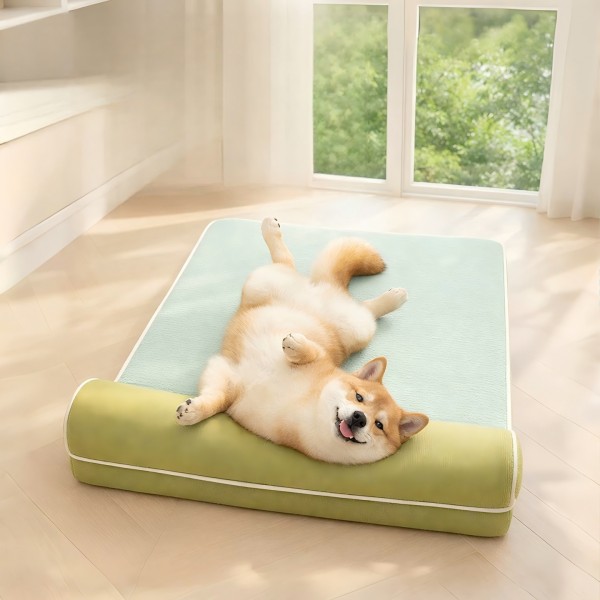
Before choosing it, ask what happens after the first month. Will the foam flatten? Can hair collect inside corners? Is the cover difficult to remove?
For beds and crates, check internal dimensions rather than relying only on the outside size. A dog should have enough space to stand, turn, lie down and stretch naturally.pet crate sizing guidance provides a useful welfare baseline.
For senior-support products, look at entry height, stability and floor grip. Supportive bedding, ramps and non-slip surfaces can help accommodate reduced mobility.senior pet mobility guidance explains why access matters as much as softness.
Cleaning is another deciding factor. Pet owners quickly lose patience with products that trap odor or cannot be taken apart.
A washable cover is useful, but it may not protect foam from moisture. Check liners, zipper openings, seams and whether the product can be reassembled easily after washing.
Order Samples Before You Build the Store
Do not choose a pet product from photos alone. Order a sample and use it as a pet owner would.
Open the packaging and notice the first impression. Check for odors, surface damage, permanent creases and missing hardware.
Assemble the product without help from the supplier. If the process is confusing for you, it will also be confusing after delivery.
I usually check:
- Real internal dimensions
- Material feel and surface finishing
- Foam recovery
- Seam strength
- Zipper position
- Non-slip performance
- Ventilation
- Cleaning access
- Hardware stability
- Packaging protection
Film the process as you inspect the sample. These videos can later help with installation instructions, product content and customer support.
Calculate the Real Cost Before Setting the Price
The supplier price is not your final product cost. Large pet beds and furniture may look inexpensive until packaging and freight are included.
Your real cost may include:
- Product price
- Private-label changes
- Packaging
- International freight
- Customs duties and taxes
- Warehousing
- Marketplace or payment fees
- Fulfilment
- Returns and damaged products
- Replacement parts
- Advertising
I treat packaging as part of the product cost. Poor packaging can damage corners, crush bolsters and scratch finished panels before the product reaches the home.
Large products may also face dimensional shipping charges. Always request packed dimensions and weight before approving the order.
Build a Store That Feels Trustworthy
You do not need an elaborate website at the beginning. You need one that answers the questions stopping someone from buying.
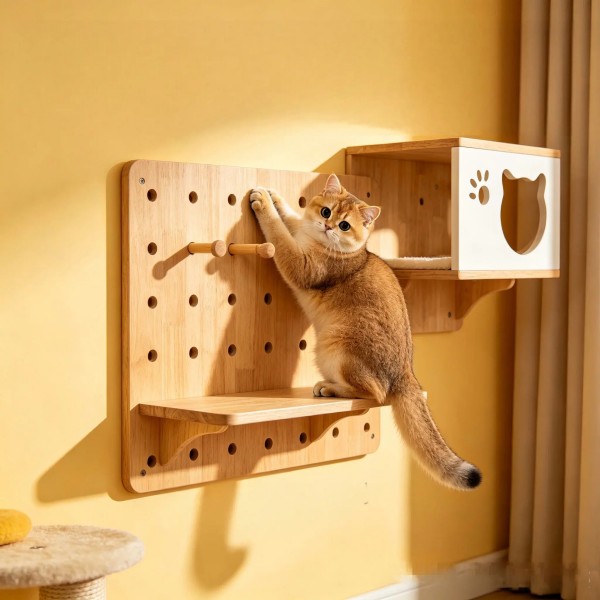
Show the product inside a real room. Include the pet, because an empty product photo does not communicate scale.
For furniture, display both external and internal dimensions. For beds, show the usable sleeping surface after the bolsters are considered.
Your store should make these points clear. Shipping promises also need to match your real ability to dispatch orders and handle delays or refunds.
- Who the product is for
- Where it can be used
- Real dimensions
- Material and cleaning method
- Assembly requirements
- Shipping expectations
- Return conditions
- Important use limits
If you sell outdoor furniture, explain whether it is suitable for covered patios or permanent outdoor exposure. “Outdoor” should never hide practical limits.
Choose Products With Manageable Risk
Different categories carry different regulatory and storage obligations.
Pet food, treats, and supplements require more regulatory review than furniture and accessories. In the United States, animal food businesses must consider FDA requirements for safety, sanitary production, labeling, and—depending on the activity—facility registration and other rules.
Furniture, beds, crates, ramps, and enclosures avoid some food-specific complexity, but they still require product safety, honest claims, reliable packaging, and clear use limits.
Launch Small and Learn From Real Orders
Launch with enough products and stock to learn, not enough to prove that your forecast was right.
Track questions, return reasons, damage, assembly issues, size confusion, and which companion products people request. Reorder from real sell-through and available cash rather than from traffic or optimism alone.
How Archova Can Support an Online Pet Business
Archova focuses on modern indoor and outdoor pet furniture for retailers, importers, distributors, online sellers, and private-label brands.
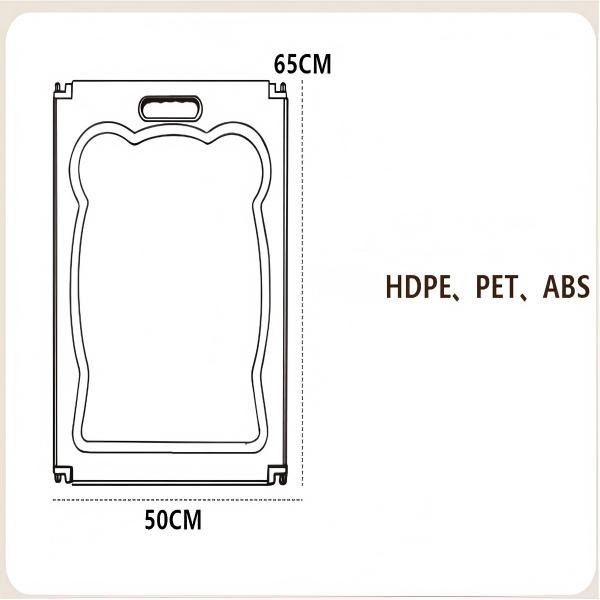
The range can connect crates and enclosures, orthopedic beds, cooling products, ramps and stairs, car and travel products, cat wall furniture, hideaways, and other home-focused pet products.
Buyers can start with finished products and practical private-label changes such as colors, covers, labels, packaging, and coordinated finishes. Internal dimensions, materials, ventilation, hardware, cleaning access, and packaging protection should be reviewed before the product reaches an online store.
When This Business Is Worth Starting
An online pet supply business is worth starting when you can explain the problem the products solve, why the range belongs together, and how the economics work after shipping and returns.
Slow down if the plan depends only on one viral product, very low prices, or unreliable fulfillment. Start with a narrow use case, test finished products, and expand from real orders.
Frequently Asked Questions
How much money is needed to start?
It depends on the model and product size. Private label needs samples, packaging, freight, initial stock, and working capital.
Should a new store sell dog and cat products together?
Only when the products share a clear theme such as modern pet furniture or small-space living.
How many products should be launched first?
A focused group is better than a large random catalog. Start with enough connected products to test the use scene.
Is dropshipping suitable for pet furniture?
It can test demand, but bulky products make delivery, damage, and returns harder to control.
Should private label begin with a completely new design?
Usually not. Start with a proven structure and make practical changes after sampling.
Which pet products are suitable for online selling?
Products with clear use cases, understandable sizing, controlled packaging, and manageable return risk.
What is the biggest mistake new sellers make?
Choosing products before defining the customer problem and the economics of delivering the product.
References
- American Pet Products Association — 2026 State of the Industry
- U.S. Small Business Administration — Market Research and Competitive Analysis
- FDA — How Do I Start an Animal Food Business?
- FDA — Pet Food
- RSPCA — How to Crate Train a Puppy
- AAHA — How to Assess Your Senior Pet's Quality of Life
- FTC — Selling on the Internet: Prompt Delivery Rules