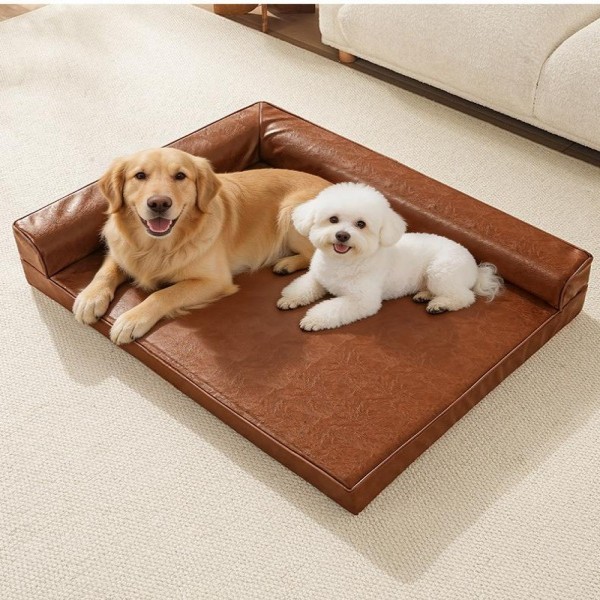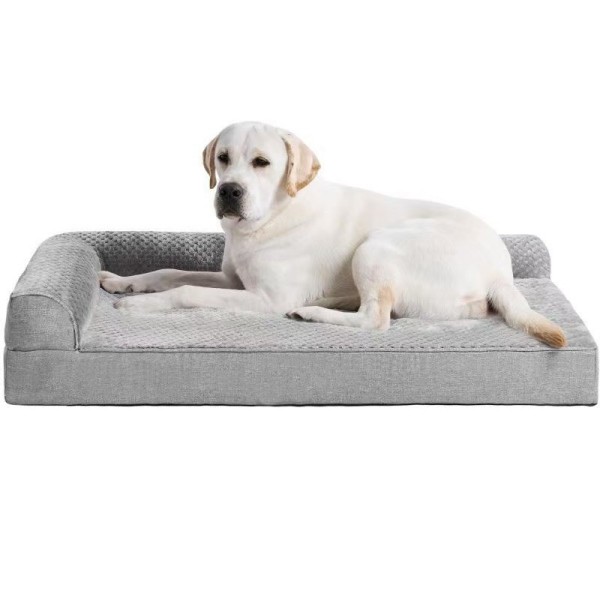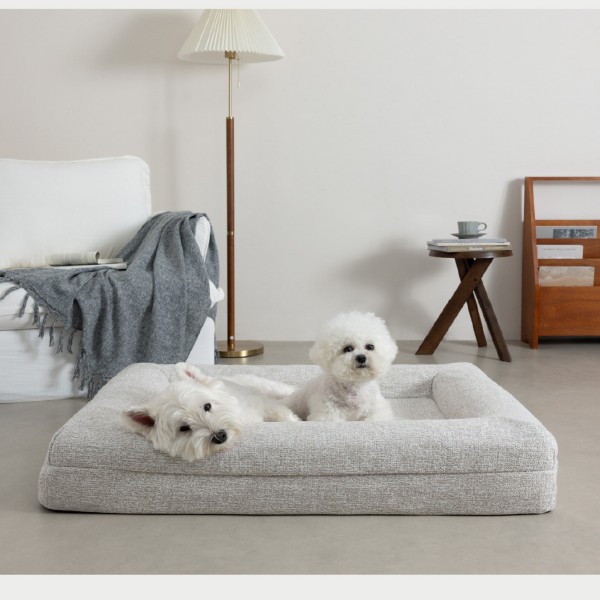
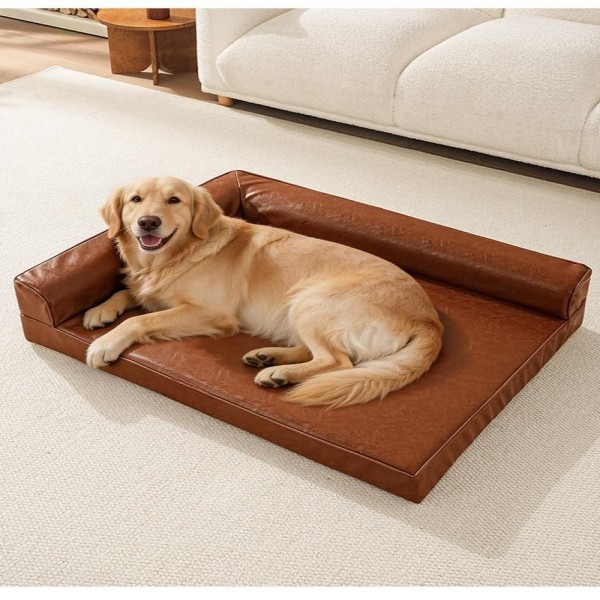
The safest way to wash a dog bed is to follow the care label first, then clean each layer based on its material.
In most cases, that means removing hair before water is added, washing removable covers separately, keeping foam cores out of the washing machine unless the manufacturer specifically allows it, and drying every component completely before reassembly.
For retailers and importers, the bigger lesson is equally important: washability should be designed into the bed, not added later as a marketing claim.
Start With the Care Label
Do not begin by putting the whole bed into the washing machine.
Dog beds may contain polyester fibre, shredded foam, solid memory foam, latex, bolster inserts, waterproof liners, non-slip fabrics, or cooling layers. These materials do not all tolerate the same cycle or drying temperature.
General pet-supply cleaning guidance supports machine washing soft pet items when appropriate, but the bed’s own care instructions should control the method.
For B2B buyers, care labels should come from the actual material specification rather than a generic template.
Remove Hair Before Adding Water
Loose dog hair is much easier to remove while it is dry.
Before washing, I would shake the bed outdoors if practical, vacuum the sleeping surface, clean seams and corners, and use a lint roller where needed.
Hair mixed with water can clump together and collect in washing-machine seals or filters.
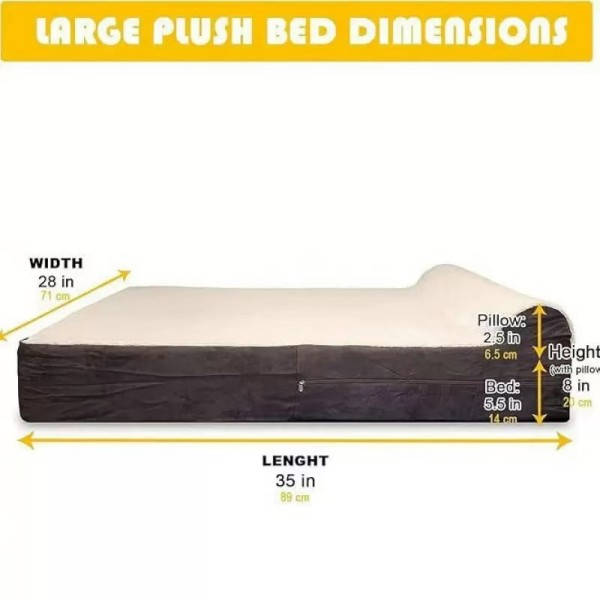
For product development, fewer inaccessible fabric folds usually mean easier maintenance.
Separate the Cover, Liner, and Support Core
A well-designed bed should make the layers obvious:
outer cover → protective liner → support core
An orthopedic dog mattress is easier to maintain when the washable textile is separated from the foam.
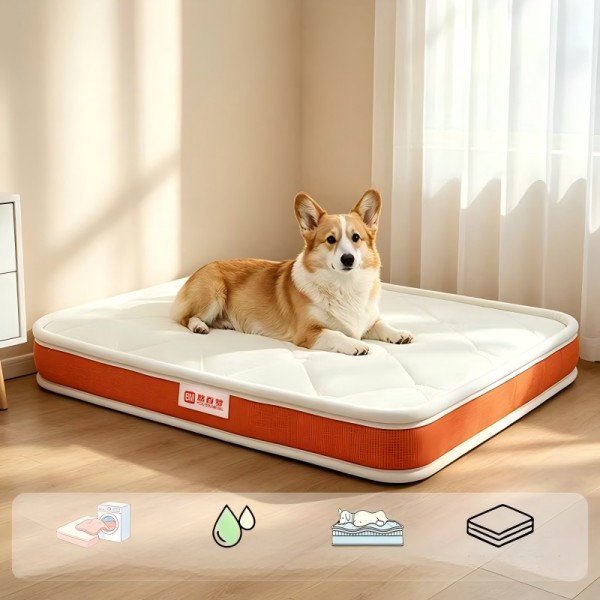
Before washing, check whether the bed contains a removable cover, separate bolster sleeves, an inner liner, a zipped foam pouch, or loose filling.
Do not assume every zipper means the component is machine washable. A zipper may exist for assembly rather than laundering.
Wash the Cover, Not Automatically the Whole Bed
If the outer cover is machine washable, use the cycle, detergent, and water temperature allowed by the textile.
For ordinary home care, cleaning and disinfecting are different processes. Routine washing does not mean adding strong disinfectant every time.
I would avoid automatically adding bleach, heavy fragrance, fabric softener, or multiple cleaning chemicals.
Household laundry products should be used as directed on their labels and kept away from pets in concentrated form. Laundry detergents and fabric softeners can be hazardous when ingested.
The simple approach is usually better:
- use an appropriate detergent
- follow the textile label
- rinse thoroughly
- dry completely
Keep Foam Out of the Washer Unless It Is Specifically Washable
Solid foam and shredded-foam inserts can absorb large amounts of water. Some can tear, crumble, lose shape, or remain damp inside long after the surface feels dry.
An orthopedic dog bed for crate should be especially easy to separate because crate pads often need frequent surface cleaning.
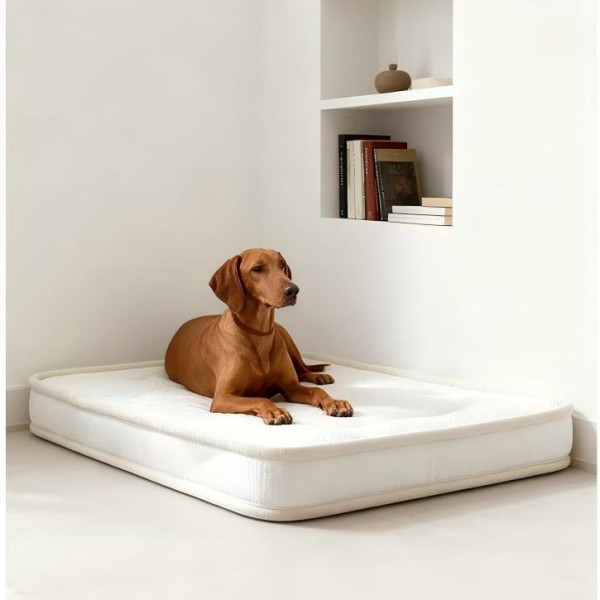
If liquid reaches the foam, use the manufacturer’s instructions for that specific core.
Do not assume soaking or machine washing is safe.
For B2B sourcing, a protected foam core is a structural feature, not a cosmetic extra.
Deal With Urine Before It Reaches the Core
Urine is much easier to manage when the support core stays dry.
For puppies, senior dogs, or dogs with occasional accidents, I would prefer:
- washable outer textile
- waterproof or water-resistant liner
- dry support material
Senior-care guidance recognises the usefulness of washable or waterproof bedding protection.
If an accident occurs, remove and clean the affected washable layer promptly.
If using an enzymatic stain product, confirm that it is compatible with the fabric and use it as directed. Do not mix household cleaning chemicals casually.
Bolster Beds Need Component-by-Component Cleaning
Bolster beds are usually more difficult to wash than flat mattresses.
A sofa-style bed may contain a centre foam core, several bolster inserts, separate sleeves, a liner, and one large outer shell.
That can make “removable cover” technically true while still making the product frustrating to maintain.
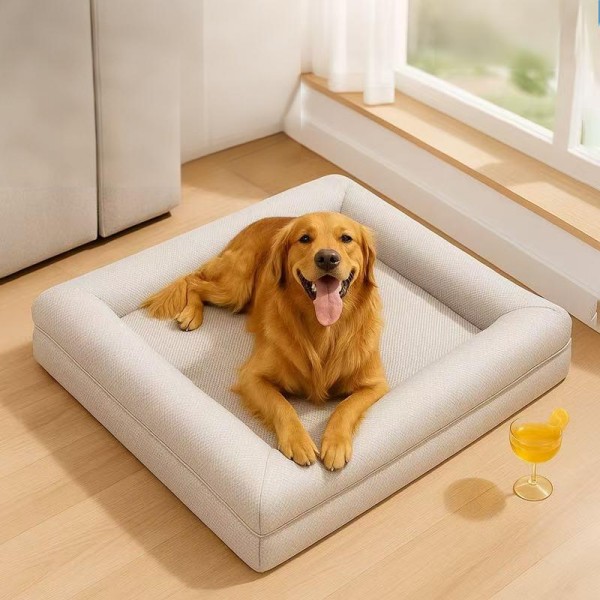
For retailers, this should be sample-tested.
A cover that takes too long to reinstall is not a strong cleaning feature, even if it is machine washable.
Dry Every Layer Completely
Do not reassemble a dog bed while any layer is still damp.
This is particularly important with thick covers, bolster inserts, dense seams, foam, and waterproof liners.
Use the drying method allowed by the care label. Some textiles can be tumble dried; others require low heat or air drying.
Do not use the highest dryer temperature by default because heat can shrink covers or affect backing and liner materials.
The bed should be fully dry before the dog uses it again.
Check the Zipper Before Reassembly
Before forcing the cover back over the foam, check whether:
- the cover has shrunk
- the zipper slider moves freely
- foam corners are aligned
- bolster inserts are twisted
- the liner is bunched inside
Do not pull the zipper against badly positioned foam.
For B2B product testing, repeated removal and reassembly should be part of sample evaluation.
The best washable bed should remain practical after repeated cleaning, not just the first wash.
Do Not Use Fragrance to Hide a Cleaning Problem
Strong fragrance can mask odour without removing the source.
The better approach is to remove hair and soil, wash the correct layer, rinse it properly, and dry it completely.
Cleaning products used around pets should be handled as directed on their labels and allowed to dry before the pet returns. Correct dilution, rinsing, and drying matter when using household cleaners around pets.
For retailers, “odour-resistant” should not replace washable construction.
How Often Should You Wash a Dog Bed?
There is no perfect schedule for every dog.
Frequency depends on shedding, outdoor activity, accidents, season, and how heavily the bed is used.
A weekly cleaning routine is a useful public-health benchmark, but the practical rule is simpler:
wash the removable layer before dirt, odour, hair, or moisture becomes difficult to manage.
A washable blanket over the main bed can also reduce how often a bulky bed needs deeper cleaning.
Cooling Beds Need Their Own Care Instructions
Cooling products should not automatically be washed like ordinary fibre beds.
A dog cooling bed may use different textiles, internal layers, or cooling materials.
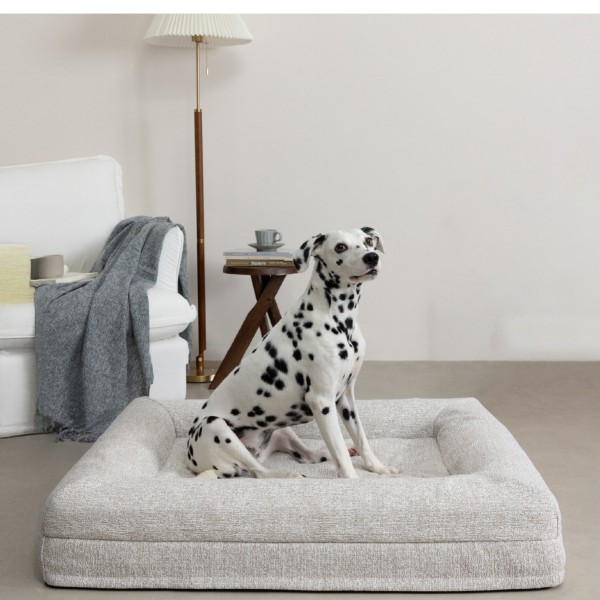
A cooling textile, gel layer, water-based system, and phase-change material may all require different care.
For B2B buyers, care instructions should be validated against the actual cooling construction rather than copied from a standard dog bed.
When Should You Replace the Bed Instead?
Cleaning has limits.
I would consider replacement when:
- the foam no longer recovers
- the core has absorbed liquid that cannot be cleaned safely
- mould or persistent dampness is suspected
- the cover no longer closes correctly
- seams are failing
- filling is escaping
- odour returns immediately after proper washing
- the support structure has collapsed
At that point, cleaning may preserve the fabric while the bed itself no longer performs properly.
What Makes a Dog Bed Easier to Wash?
For pet owners, I would look for:
- removable outer cover
- long, accessible zipper
- simple insert geometry
- waterproof or water-resistant liner
- separate foam core
- replaceable cover
- clear care label
- realistic home-washer dimensions
For retailers, I would add one rule: wash-test the approved sample.
After washing, reinstall the cover, check shrinkage, inspect zipper and seam stress, and confirm that the care instructions still match the finished product.
That is where “easy to clean” becomes a real product feature.
How Archova Approaches Washable Dog Bed Design
At Archova, we would design cleaning from the inside out.
For supportive beds, that means keeping the foam separate from the washable surface.
For senior and puppy use, a protective liner can add practical moisture protection.
For bolster beds, we look at zipper length, insert count, and how easily each component can be removed and replaced.
For private-label development, we can adjust removable covers, inner liners, zipper layouts, cover fabrics, support cores, replacement covers, care labels, and packaging instructions.
The goal is not to claim that every part of every bed can go into a washing machine.
The goal is to make the parts that need regular cleaning easy to identify, easy to remove, and easy to maintain.
FAQ
Can I put a whole dog bed in the washing machine?
Only if the care label specifically allows it and the bed fits the machine properly. Many foam and bolster beds should be separated first.
Can memory foam be machine washed?
Do not assume so. Follow the manufacturer’s instructions for the specific foam core. Many orthopedic beds are designed for the cover to be washed separately.
How do I wash a dog bed with a removable cover?
Remove dry hair first, separate the cover from the liner and core, then wash and dry the cover using its care instructions.
How do I clean urine from a dog bed?
Remove and clean the affected washable layer promptly. A protective liner helps prevent urine from reaching the foam.
Should I use bleach on a dog bed?
Only when the care label and cleaning-product directions allow it. Do not assume bleach is appropriate for every fabric, liner, foam, or colour.
Can I use fabric softener on dog bedding?
I would not add it automatically. Follow the bed and laundry-product instructions, and keep concentrated laundry products away from pets.
How often should I wash my dog’s bed?
Weekly is a useful benchmark, but activity level, shedding, accidents, and actual dirt should guide the schedule.
What should retailers check before claiming a dog bed is washable?
Wash the sample, dry it, reinstall the cover, measure shrinkage, check zipper and seam stress, verify liner performance, and confirm the final care label matches the bulk product.
Conclusion
Washing a dog bed is simple when the product has been designed properly.
Remove dry hair first. Follow the care label. Wash removable textile layers separately. Keep foam out of the machine unless it is specifically washable. Protect the core from moisture. Dry everything completely before reassembly.
For pet owners, those steps make the bed easier to keep clean.
For retailers and importers, the more important lesson is that washability is a structural feature. A removable cover, protected core, practical zipper, and tested care instructions create far more value than simply printing “easy to clean” on the product page.
References
- CDC — About Cleaning and Disinfecting Pet Supplies
- CDC — Cleaning and Disinfecting Pet Supplies
- US EPA — What’s the Difference Between Cleaning, Sanitizing, and Disinfecting?
- ASPCA — Poisonous Household Products
- ASPCA — Pet Poisons and Household Cleaning Agents
- AAHA — Communicating With Families of Senior Pets