You are not only choosing between two materials. You are choosing the kind of customer problem your product line wants to solve.
Plastic dog pens and metal dog pens can both sell well. The better choice depends on the pet, the home, the use scene, and your business position.
The Real Buyer Motivation
Pet owners buy a pen because they need a manageable space for a puppy, small dog, senior dog, or temporary home routine.
The product therefore has to fit the dog’s behavior, the floor, the room, cleaning needs, and supervision level.
Plastic Dog Pens Solve the “Home-Friendly” Problem
Plastic pens are strongest when the product needs to feel softer indoors, easier to wipe, and less industrial than a basic metal enclosure.
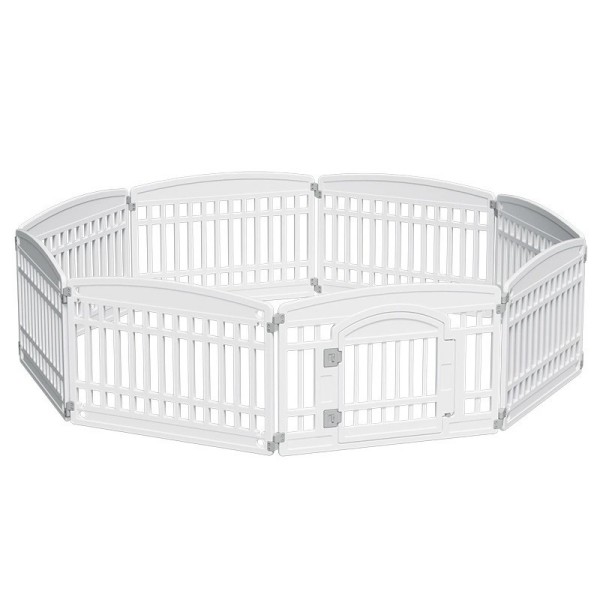
They fit calm dogs, small dogs, family rooms, and apartments best when panel strength, gaps, connectors, and base stability are appropriate.
Metal Dog Pens Solve the “Strength and Control” Problem
Metal pens are stronger when physical containment, visibility, or outdoor flexibility matters more than furniture styling.
They can fit active dogs, larger dogs, service spaces, and outdoor use, but coating, welds, sharp points, latch design, floor protection, and weight all need review.
Plastic vs Metal Is Not a Simple Quality Question
A cheap plastic pen can fail quickly. A poorly coated metal pen can also rust, scratch floors, or feel noisy.
The better question is not “which material is better?” The better question is, “which material fits the customer’s use scene?”
A small calm dog in an apartment may not need a heavy metal pen. A strong puppy who chews may not be right for a light plastic pen.
I would avoid selling either material as perfect for every dog. Honest positioning protects both the pet owner and your business.
End-Customer Pain Points You Must Translate Into Product Value
The questions are predictable: will it move, can the dog chew it, will it scratch the floor, can it be cleaned, and is the door easy to use?
For B2B buyers, those questions translate into material choice, connector design, floor contact, care instructions, and after-sales risk.
When Plastic Dog Pens Make More Sense
Plastic dog pens make sense when your customer wants a softer indoor product. They can be easier to accept in living rooms and apartments.
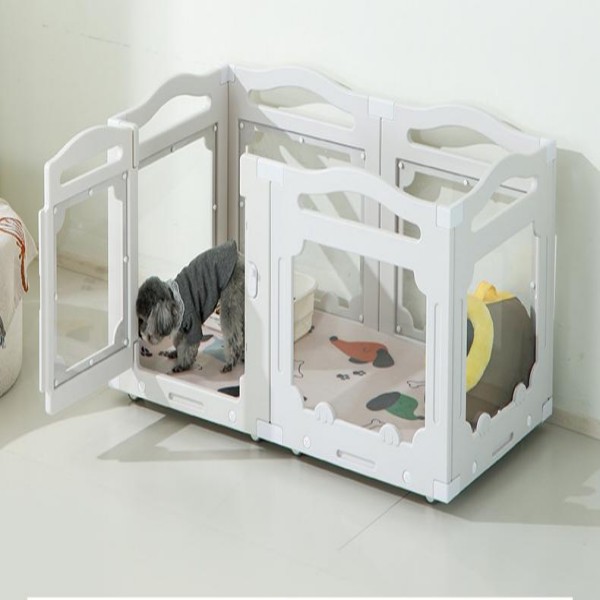
They are also useful for small dogs, calm adult dogs, and senior dogs. In these cases, easy movement and a less industrial look can matter more than heavy strength.
Plastic can also support a family-friendly product direction. Smooth panels, clean colors, and simple assembly can make the pen easier to sell.
For private label buyers, plastic offers visible design space. Color, panel shape, connector style, and packaging can create a more branded product.
Archova can support this direction when the goal is home-living appeal. The product should still be checked for stability, panel strength, and safe daily use.
When Metal Dog Pens Make More Sense
Metal dog pens make sense when strength is the first need. They are often better for larger dogs, active dogs, and outdoor settings.
They also work when buyers need flexible layouts. Metal exercise pens can often be shaped, expanded, or used with anchors.
This gives them strong practical value. A trainer, daycare, or outdoor pet space may care more about control than décor.
However, metal pens need careful detail checks. Coating, weld quality, latch design, hinge strength, and floor contact all affect customer satisfaction.
Archova treats metal as a functional material choice, not only a stronger option. Strength should come with safe edges, stable structure, and practical packaging.
Stability Decides Daily Confidence
Both materials can move when the layout, feet, connectors, or floor match is poor. Closed shapes are generally easier to stabilize than long open dividers.
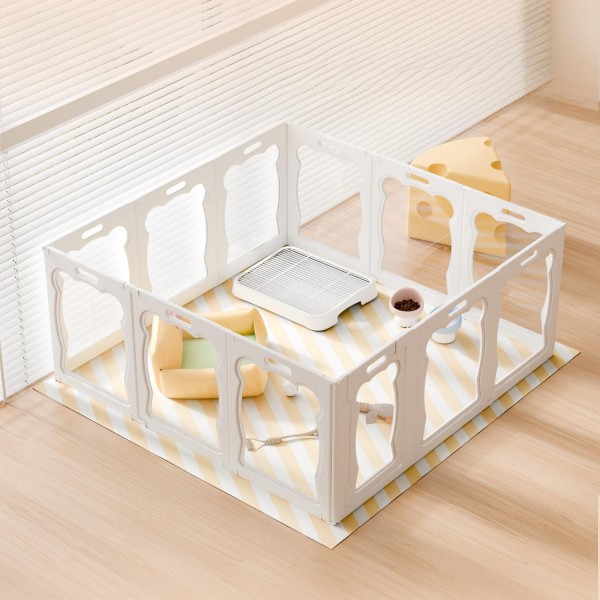
For outdoor use, anchoring may matter; for smooth indoor floors, base grip and floor protection matter more.
Chewing Risk Should Be Handled Honestly
Plastic is not suitable for every strong chewer. Metal may reduce some chewing risk, but coating, joints, and sharp damage still require attention.
If chewing or escape attempts are driven by anxiety, the pen material is not the full behavior solution.
Cleaning and Odor Control Affect Repeat Sales
Plastic often gives a simpler wipe-clean story. Metal can also be easy to maintain when coating and joints are well designed.
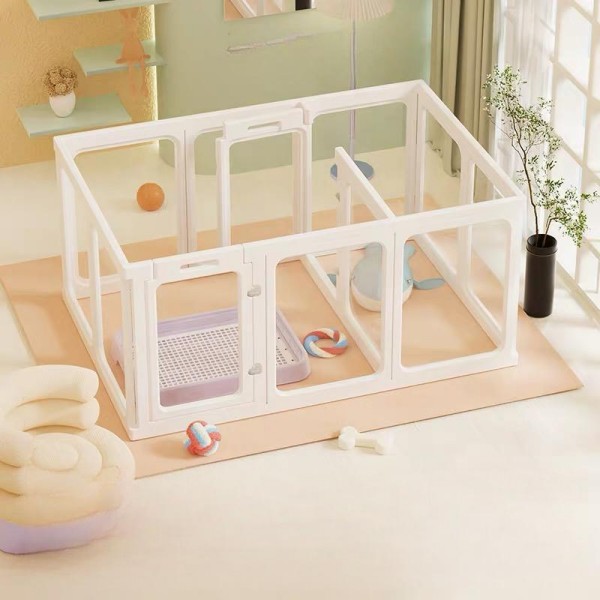
Mats, liners, lower edges, and connector areas can matter as much as the panel material.
Appearance Matters More Than Many Buyers Expect
For indoor channels, appearance affects whether the pen remains in a visible room. Plastic can feel softer and more furniture-friendly; metal can still look clean when the coating and panel lines are well finished.
Packaging and Shipping Change the Real Margin
Plastic panels may be bulky; metal panels may be heavy. Both need protection against damage, plus clear organization for latches, connectors, hinges, and instructions.
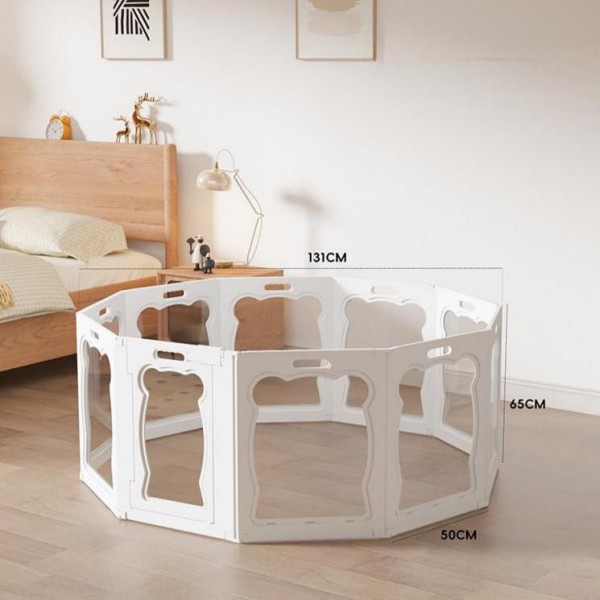
How to Use Both in One Product Line
Carry both when each material has a clear role. Plastic can cover calm indoor and family-home use, while metal covers strength-focused, outdoor, or service-space needs.
When Plastic Dog Pens Are Worth Adding
Plastic dog pens are worth adding when your market values indoor appearance, lighter handling, and easy cleaning.
They are also useful when your buyers want more color choices and a softer home-friendly look. This can work for apartments, small dogs, and senior pet care.
I would be careful if your target market is full of strong chewers or high-energy dogs. In that case, material positioning must be very clear.
The product should not promise what plastic cannot reasonably deliver. Honest use guidance protects trust.
When Metal Dog Pens Are Worth Adding
Metal dog pens are worth adding when your market values strength, layout flexibility, and outdoor use.
They are useful for active dogs, training spaces, daycare areas, and buyers who need stronger containment. They can also support expandable setups.
I would be careful with metal pens if your market is sensitive to home appearance, floor scratches, or product weight. These points can affect reviews.
The best metal pen is not only strong. It should also feel safe, stable, cleanly finished, and easy to set up.
FAQ
Are plastic pens better than metal pens?
Not universally. Plastic is stronger for home-friendly indoor use; metal is stronger when containment and durability are the priority.
Are plastic pens suitable for puppies?
They can be, but teething and chewing behavior matter.
Are metal pens suitable indoors?
Yes, if floor protection, coating, noise, and stability are acceptable.
Which is easier to clean?
Both can be easy to clean when surfaces and joints are well designed. Plastic often gives a simpler wipe-clean story.
What should buyers check?
Stability, gaps, panel strength, connectors, latches, floor contact, cleaning access, packaging, and spare parts.
Should both be sold together?
Yes, when the catalog clearly separates their use scenes.
When This Comparison Helps Your Buying Decision
Plastic vs metal is not a fight between good and bad. It is a decision about use scene, customer behavior, and business risk.
Plastic dog pens can help you build a softer indoor product line. Metal dog pens can help you serve strength-focused and outdoor needs.
The best choice is the one that protects the pet owner’s real use experience. It should also protect your margin after shipping, assembly, and after-sales service.
Archova can help you turn this comparison into a practical product plan. That means choosing the right material, structure, packaging, and private label direction for your market.
References