A puppy playpen gives a puppy more controlled space. A dog crate gives a puppy a smaller rest area with stronger routine value.
For your business, the best choice is not always one or the other. The stronger product strategy may include both.
The Direct Answer
Choose a puppy playpen when pet owners need a safe space for play, feeding, pads, toys, and short supervised routines.
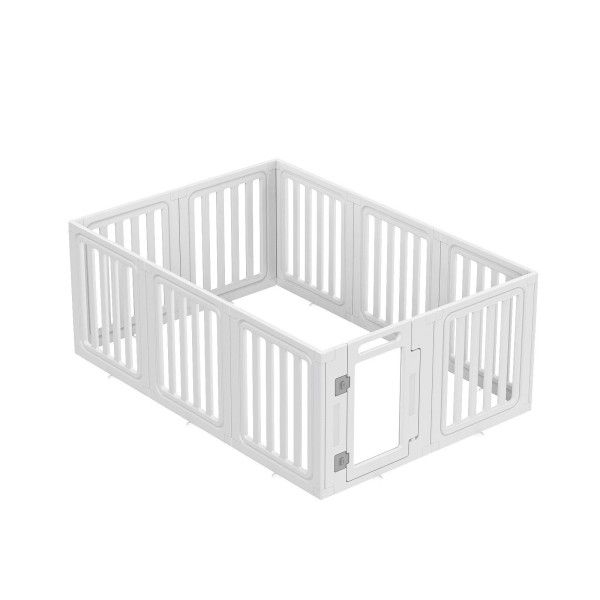
Choose a dog crate when pet owners need a den-like rest area, sleep routine, travel preparation, or structured crate training.
Many puppy homes need both. A dog crate can sit inside a puppy playpen, creating a rest zone and a wider activity zone.
That combined setup is often easier to explain than a forced comparison. It also gives your product line stronger collection value.
The Real Buyer Motivation
A new puppy changes the home quickly. Chewing, cables, accidents, feeding, overtired behavior, and sleep all create a need for structure.
The playpen and crate solve different parts of that routine, so the value comes from giving each product a clear role rather than treating them as substitutes.
What Pet Owners Really Need
Pet owners want the puppy to feel safe, not trapped. They also want the home to stay manageable.
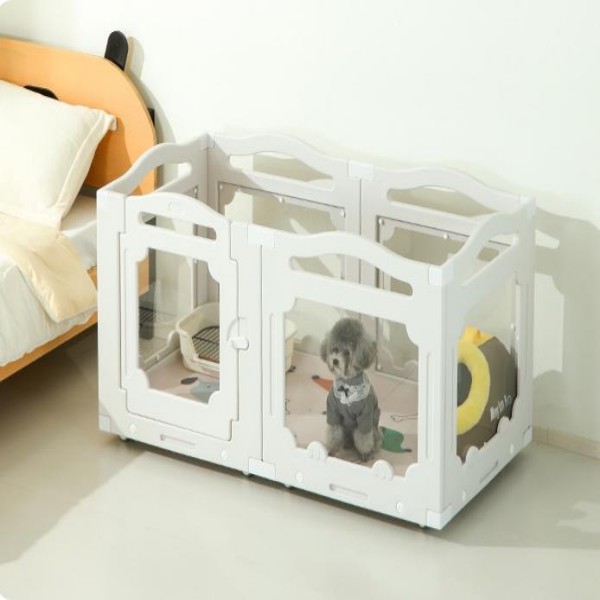
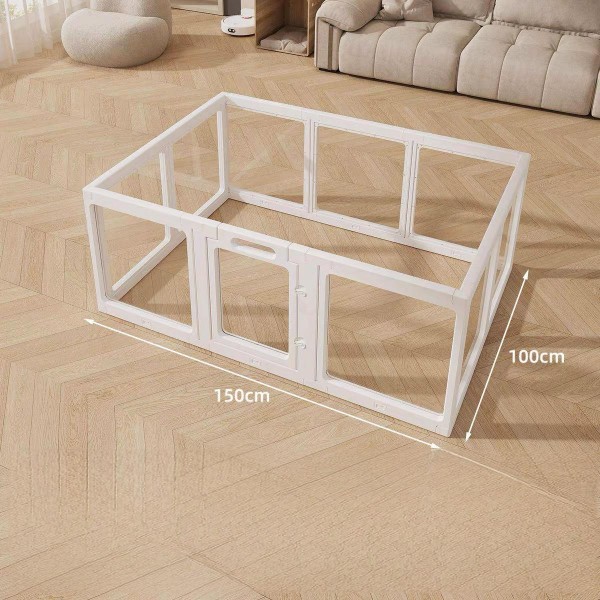
A puppy playpen gives more room for movement. It can hold a mat, bowl, toys, and a potty pad area.
A dog crate gives a smaller space for rest. It can help the puppy learn calm time when introduced positively.
The two products answer different moments. A puppy playpen supports awake-time management, while a dog crate supports rest and routine.
For B2B buyers, this difference matters. You can build a clearer product story when each product has a defined role.
Commercial Value for B2B Buyers
A playpen fits a puppy starter line because it connects with mats, pads, gates, spare panels, and cleaning accessories. A crate fits rest, routine, travel preparation, and furniture-style home integration.
Carrying both can raise collection value when the instructions make the roles clear.
When a Puppy Playpen Works Better
Use a playpen when the puppy needs a controlled awake-time area with room for movement, toys, water, and supervised routines.
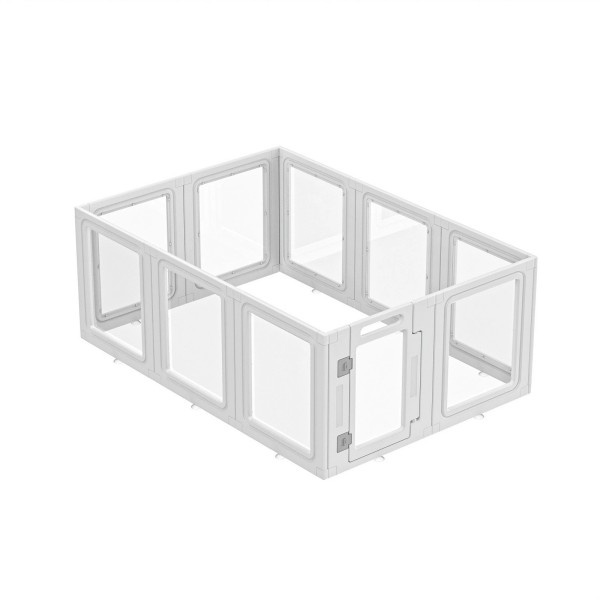
Flexible layouts are useful, but stability, gaps, door access, and cleaning should be checked before the modular story is emphasized.
When a Dog Crate Works Better
Use a crate when the puppy needs a smaller rest and routine space. It should be introduced gradually and positively, not used for punishment or prolonged isolation.
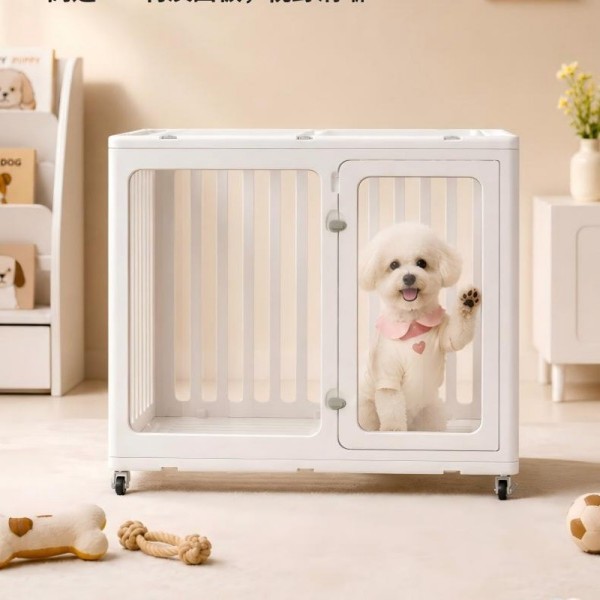
The crate must be large enough for the puppy to stand, turn, lie down, and stretch comfortably.
Why Both Products Often Work Best Together
Dogs Trust notes that crates and playpens can complement each other. The crate can become the retreat or sleeping area while the pen provides a wider controlled activity zone.
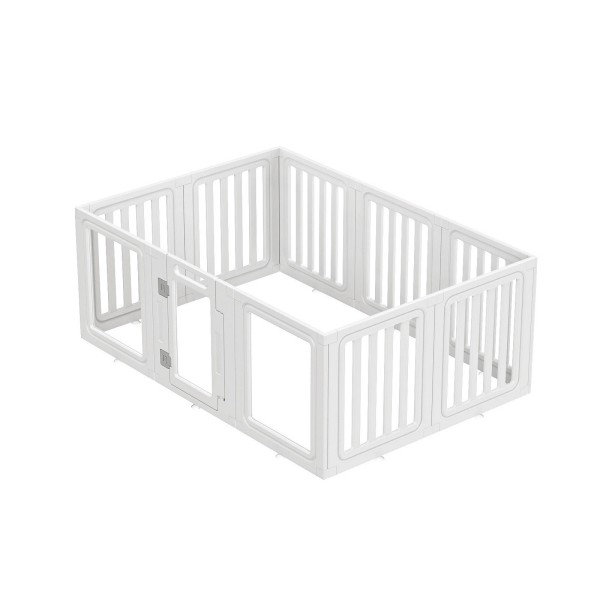
For B2B buyers, that creates a natural starter collection rather than two competing products.
Product Structure Matters More Than the Label
A weak puppy playpen will not beat a good dog crate. A poorly sized dog crate will not beat a good puppy playpen.
The product structure must match the intended use. That is where many sourcing mistakes happen.
For puppy playpens, I check panel height, gap spacing, connector strength, door access, and base stability.
For dog crates, I check internal dimensions, ventilation, latch strength, door alignment, and cleaning access.
These details turn product claims into real use quality. Without them, the product may look good but create after-sales pressure.
Material Choice Should Follow Use Scene
Metal works when strength and visibility matter. Plastic or composite panels work well for softer indoor positioning and easier wiping when chewing risk is manageable.
Furniture materials belong mainly to crate-furniture directions, not to high-risk puppy containment.
Size and Space Create Different Risks
A playpen that is too small loses activity value. A crate that is too small is inappropriate and uncomfortable.
Show usable floor area for playpens and internal dimensions for crates so buyers can make a real size decision.
Cleaning Is a Core Buying Point
Puppy products deal with accidents, food, water, pads, and hair. Smooth surfaces, washable mats, trays, and accessible lower edges can make the setup much easier to keep in use.
Packaging and Assembly Affect Real Profit
Playpens may include many connectors and small parts; crates may include trays, latches, dividers, and hardware. Missing or damaged parts can stop the product from being usable.
Treat small-part organization and carton protection as part of product cost.
How to Build a Puppy Starter Collection
A focused puppy collection can combine a modular playpen, crate, washable mat, gate, and selected training or feeding accessories.
Keep the range tied to the first weeks at home: safe rest, controlled activity, easy cleaning, and room management.
When a Puppy Playpen Is Worth Adding
A puppy playpen is worth adding when your market needs flexible puppy management. It is especially useful for homes, apartments, and puppy starter lines.
It is also worth adding when you want accessory growth. Mats, pads, add-on panels, gates, and replacement connectors can support repeat value.
I would be careful if the panel system is weak, hard to clean, or difficult to assemble. Those problems quickly become after-sales issues.
A good modular puppy playpen should be stable, easy to set up, easy to clean, and clear in its use limits.
When a Dog Crate Is Worth Adding
A dog crate is worth adding when your market values rest, training routine, and travel preparation.
A basic wire dog crate can support practical training needs. A furniture-style dog crate can support stronger home integration.
I would be careful with dog crates that have poor ventilation, weak latches, or unclear sizing. These issues directly affect trust.
A dog crate should feel safe, comfortable, and positive. It should not be marketed as a punishment tool.
FAQ
Is a puppy playpen better than a crate?
They solve different needs. A playpen gives controlled activity space; a crate gives a smaller rest space.
Can a playpen replace a crate?
Sometimes, but many homes use both because the roles are different.
Can a crate go inside a playpen?
Yes. The crate can serve as the retreat while the pen provides a wider activity zone.
Which is better for potty training?
It depends on the training plan, puppy age, supervision, and how the spaces are managed.
What should buyers check in playpens?
Panel stability, gaps, connectors, door access, floor contact, cleaning, and small-part packaging.
What should buyers check in crates?
Internal size, ventilation, latch strength, door alignment, cleaning, and positive-use guidance.
References