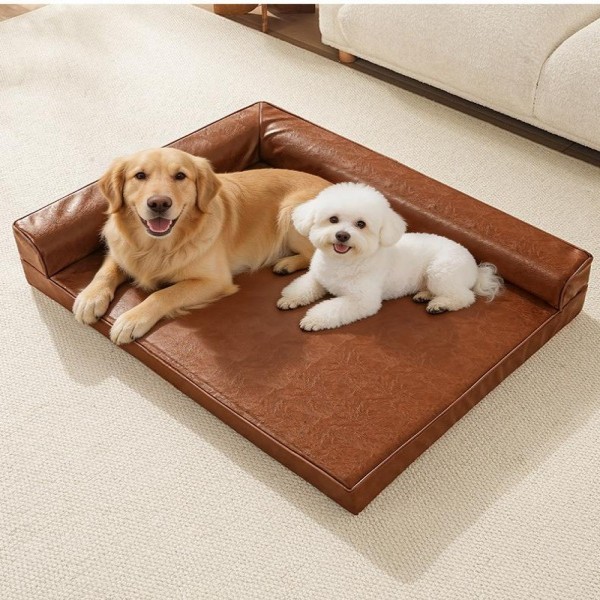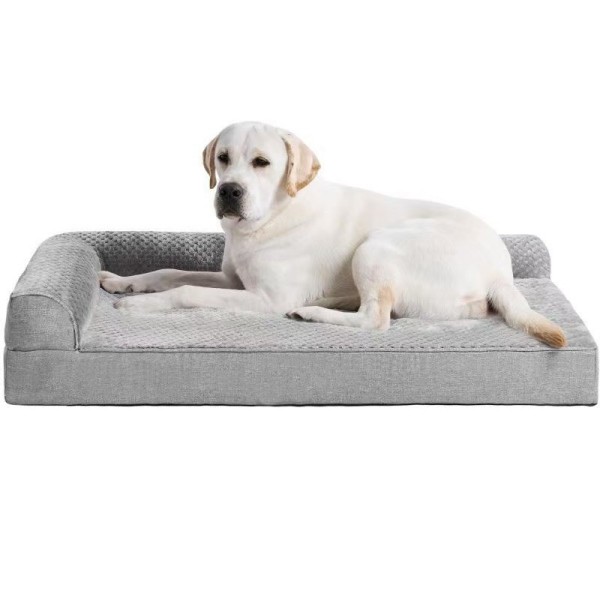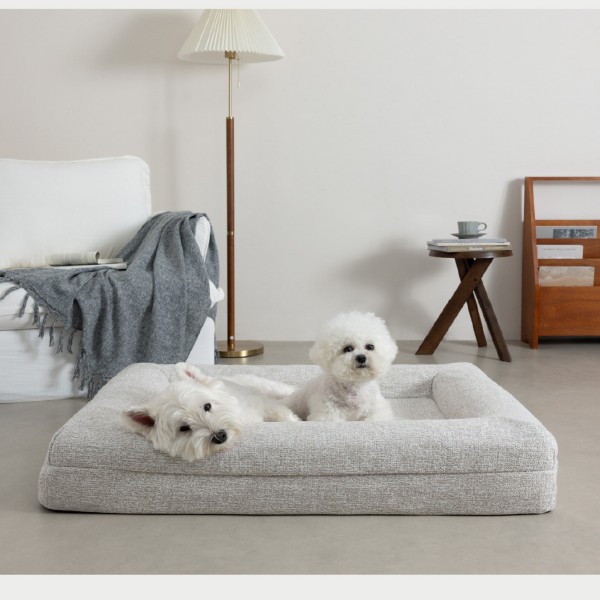
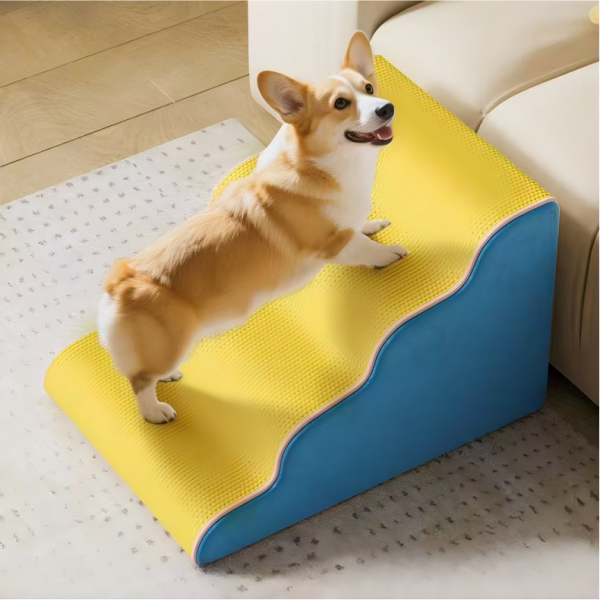
A “best dog stairs” list is useless if it does not answer one thing: will the dog actually use the stairs?
That is the real test. Not the color. Not the cute photo. Not the number of steps alone.
Why Pet Owners Search for Dog Stairs
Dog stairs are usually bought because a dog wants access to a sofa or bed without making the same large jump repeatedly.
Position them as home-access tools, not medical treatment. Furniture height, dog movement, traction, and confidence matter more than step count alone.
The First Measurement: Furniture Height
Before choosing 2-step, 3-step, 4-step, or 5-step dog stairs, measure the sofa or bed height.
This is the part people skip, and then the product disappoints them.
If the dog stairs are too short, the dog still jumps from the top step. If the dog stairs are too tall for a low sofa, the product feels bulky and awkward.
A sofa stair and a bed stair should not be explained the same way. The furniture height changes everything.
I would put the recommended sofa or bed height on the product page, not hide it in a long specification table.
The Second Measurement: The Dog’s Movement
Dog size matters, but movement often matters more. Short legs, stiffness, weak hind limbs, fear of steps, or reduced balance can change whether stairs are appropriate.
For some mobility-compromised dogs, a ramp with good traction may be easier than stairs. New pain or mobility loss should be discussed with a veterinarian.
1. Best Dog Stairs for Low Sofas
For low sofas, a 2-step or low 3-step foam stair can work when the top step meets the seat closely enough to avoid a final jump.
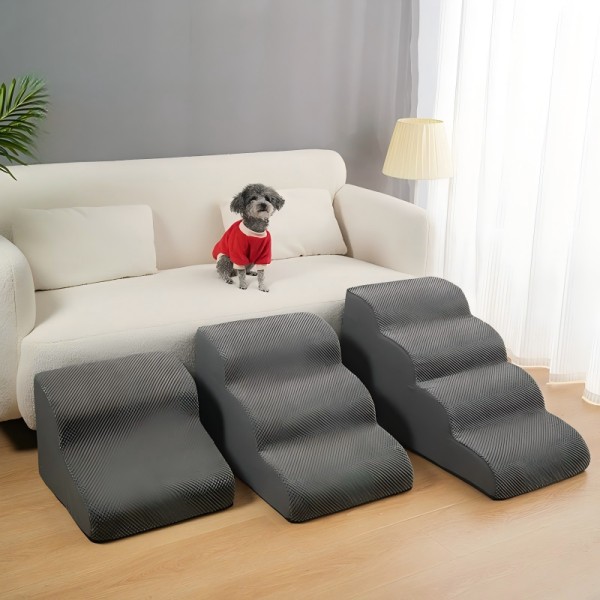
Check total height and tread depth before color or styling.
2. Best Dog Stairs for Higher Beds
Higher beds usually need 4-step or 5-step designs, but the climb should stay gradual enough for secure paw placement.
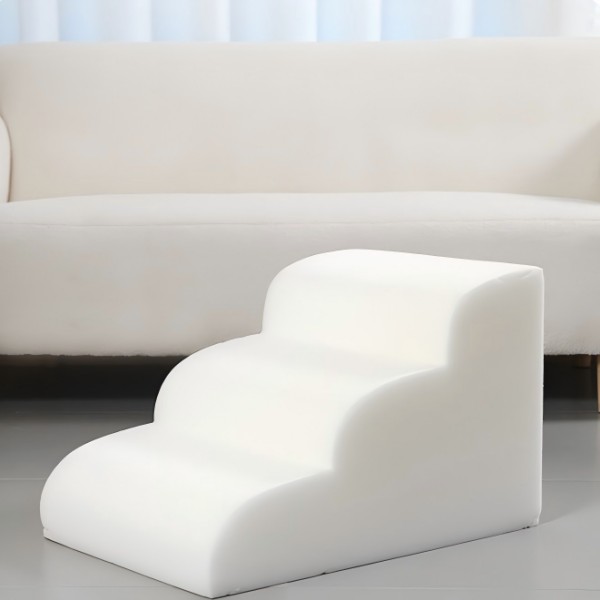
A tall stair with shallow treads can still be difficult, and the footprint also needs to fit the room.
3. Best Dog Stairs for Small Dogs
Small and short-legged dogs often benefit from lower step height and enough tread depth for secure paw placement.
Show total height, step height, tread depth, width, and the furniture scene rather than rely on a “small dog” label.
4. Best Dog Stairs for Senior Dogs
For senior dogs, prioritize lower step height, wider treads, a stable base, and strong traction.
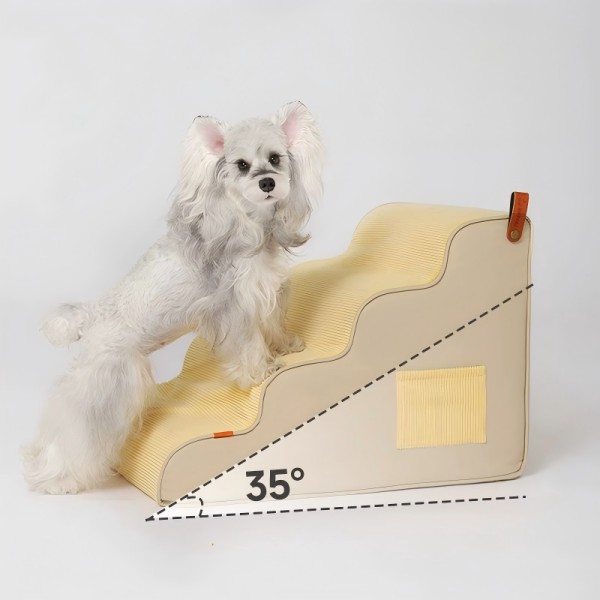
Some senior dogs will be better with a ramp, particularly when stairs cause hesitation or the dog has known mobility problems.
5. Best Wide Dog Stairs for Nervous Dogs
Width matters most when the dog is descending. Wider stairs give more room for paw adjustment and slower movement.
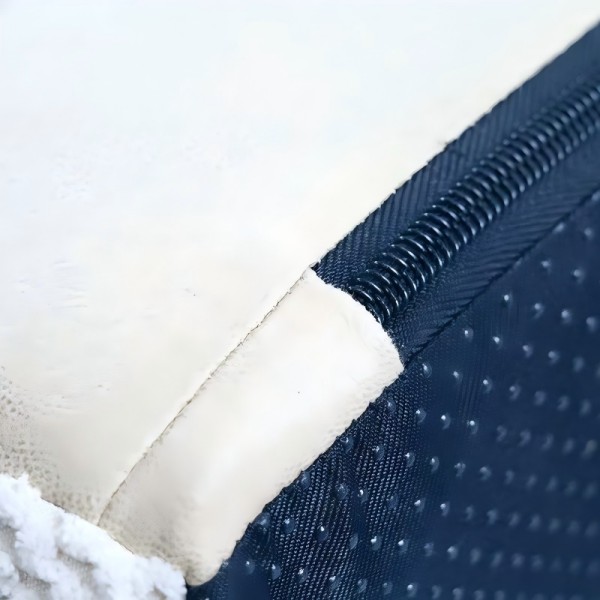
6. Best Anti-Slip Dog Stairs for Smooth Floors
Grip is a core feature on tile, wood, vinyl, and laminate. A stair that shifts once can reduce a dog’s willingness to use it.
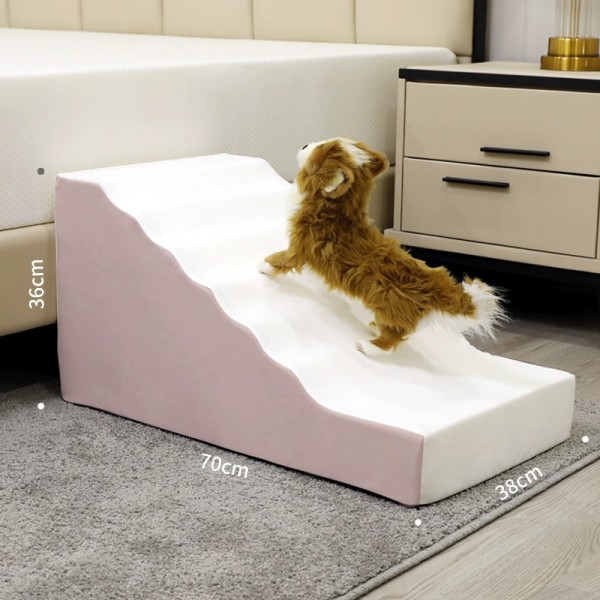
Check both the bottom grip and the traction of the tread surface.
7. Best Foam Dog Stairs for Gentle Indoor Use
Foam stairs fit bedrooms, living rooms, apartments, and sofa corners because they are light and visually soft.
The foam still needs enough support to avoid deep sinking, and the cleaning description should match the real construction.
8. Best Custom Dog Stairs for a Product Range
Useful customization starts with function: step count, total height, tread depth, width, foam firmness, surface fabric, grip, label, and carton design.
A sofa stair, high-bed stair, senior low-step stair, and wide anti-slip stair create clearer choices than one generic model in many colors.
A Practical Dog Stair Selection Table
| If the main use is… | Better direction | Watch carefully |
|---|---|---|
| Low sofa access | 2-step or low 3-step stairs | Final step height |
| Standard couch access | 3-step foam stairs | Step depth and width |
| Higher bed access | 4-step or 5-step stairs | Too steep or too narrow |
| Small dog use | Lower step height | Paw space on each step |
| Senior dog use | Low, wide, stable stairs | A ramp may be better |
| Nervous dog use | Wider stair body | Coming down confidence |
| Smooth floors | Anti-slip base and step surface | Sliding after first use |
| Private label range | Clear height and use-scene options | Too many random versions |
This table is not a ranking. It is how pet owners actually avoid the wrong product.
The Most Common Mistake
Choosing by step count alone is the most common mistake. Three steps tells you very little without total height, individual step height, tread depth, width, and furniture height.
Stairs or Ramp: Do Not Force the Wrong Product
Stairs suit dogs that still climb confidently and use less floor space. Ramps provide a smoother route and may suit dogs that move more carefully.
For senior or mobility-compromised dogs, stability and traction matter whichever option is used.
How to Present Foam Dog Stairs Without Overclaiming
Dog stairs can support easier furniture access and reduce the need for a single large jump, but they are not treatment for joint disease or pain.
Use practical wording such as “easier access,” “reduced jumping,” and “controlled home movement.”
For dogs with diagnosed neurological mobility problems, veterinarians may also recommend pet ramps or steps as part of broader home modification.
How Archova Can Support This Category
Archova focuses on practical foam dog stairs for home access, small dog care, and senior support collections.
We look at step count, total height, width, step depth, foam support, fabric surface, anti-slip base, packaging message, and private label presentation together.
For sofa access, 2-step and 3-step designs are usually easier to understand. For bed access, 4-step and 5-step designs may be more useful.
For senior support, low-step and wide designs deserve more attention.
The goal is not to create a pile of similar foam stairs. The goal is to make each version easy to understand and easy to place in the home.
Where I Would Be Careful
Be careful with tall narrow stairs, foam that sinks too deeply, weak floor grip, vague dimensions, or products that do not meet the target furniture height.
FAQ
How many steps should dog stairs have?
Choose by furniture height and individual step dimensions, not the number alone.
What stairs are best for small dogs?
Lower step height, enough tread depth, stable support, and good grip usually matter most.
Are foam stairs good for senior dogs?
They can be when the steps are low, wide, stable, and supportive. Some senior dogs may do better with a ramp.
Are stairs better than ramps?
It depends on movement. Stairs use less floor space; ramps provide a smoother path.
What dimensions should product pages show?
Total height, step count, step height, tread depth, width, and suitable furniture height.
Can foam stairs be customized?
Yes. Functional changes such as height, width, tread depth, foam firmness, grip, fabric, and packaging are useful starting points.
References