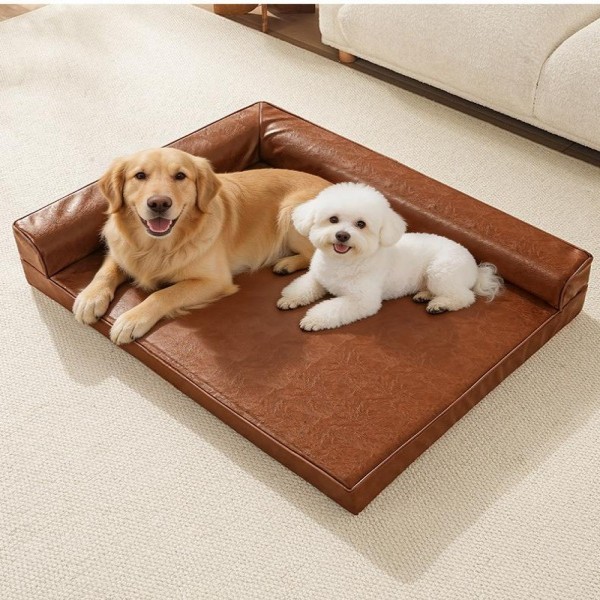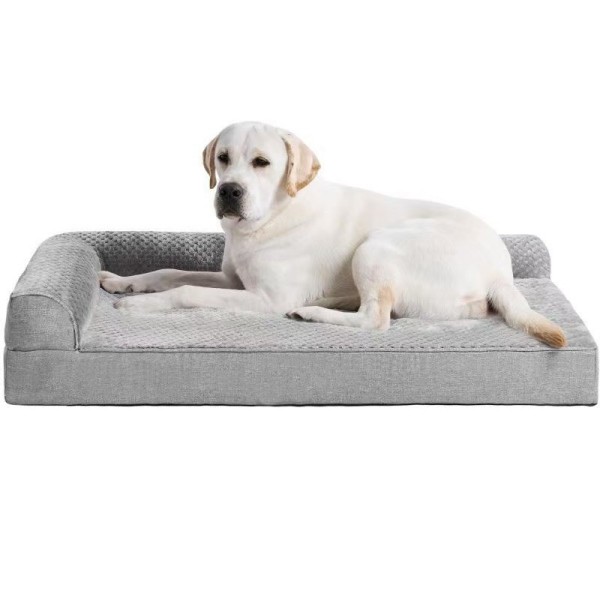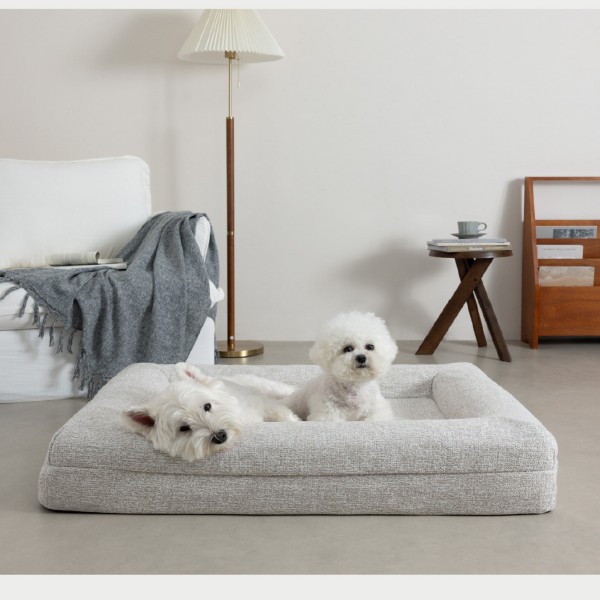
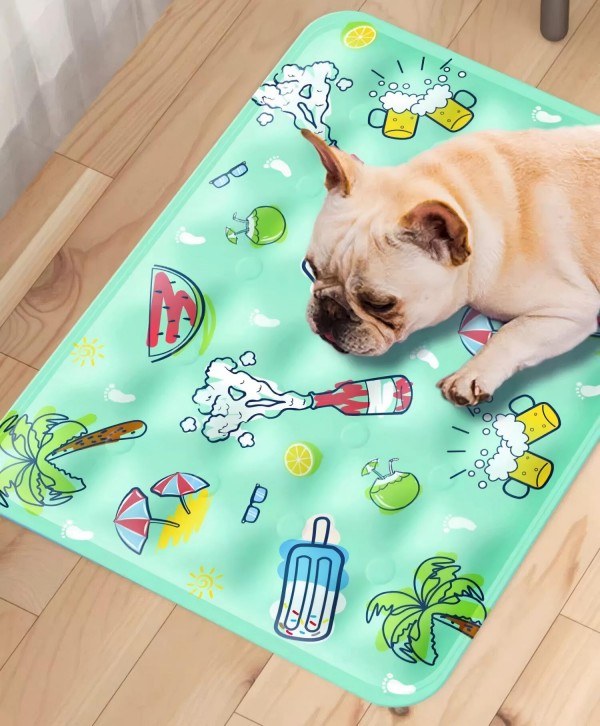
Yes, cooling mats can help dogs feel more comfortable in warm conditions—but they are a cooling aid, not heatstroke protection by themselves.
A good mat gives the dog a surface that absorbs or moves heat away more effectively than a warm bed, carpet, or sun-heated floor. How well it works depends on the cooling mechanism, room temperature, dog size, coat, contact area, and whether the dog actually chooses to stay on it.
For retailers, the better question is: which cooling structure works for which dog and use scene?
How Cooling Mats Work
Cooling mats do not all work the same way.
The main product directions include:
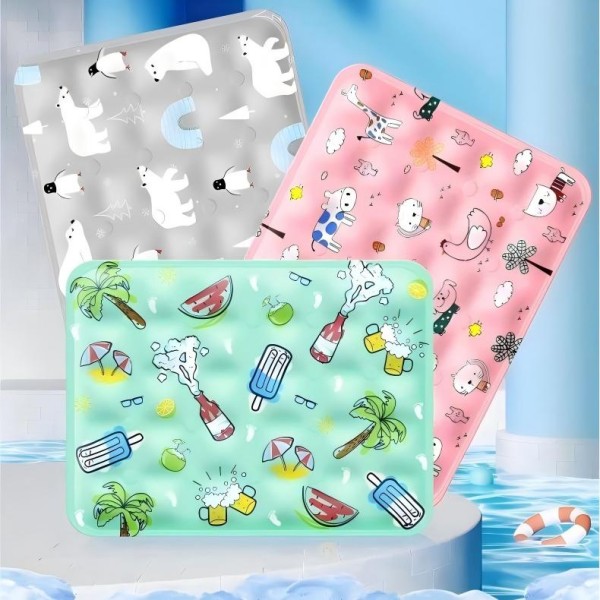
- pressure-activated gel mats
- phase-change material mats
- water-filled mats
- non-gel cooling mats
- cooling beds with a supportive base
Most work by creating a surface cooler than the dog’s body and allowing heat to move away through contact.
This is why contact area matters. A dog lying fully across the mat gets more useful cooling surface than a dog touching only one corner.
A cooling mat for dogs should therefore be judged by mechanism, usable size, surface material, and expected resting behaviour.
Why a Cooler Resting Surface Can Help
Dogs regulate heat differently from humans.
Cornell explains that dogs rely heavily on panting and have limited sweating through their paw pads, which makes hot-weather management important.
A cooler resting surface can therefore be useful indoors, during travel, after activity, or when a plush bed feels too warm.
PDSA also recommends considering a cooling mat during hot weather.
That does not mean every mat lowers core body temperature. It means the dog has access to a cooler contact surface.
Pressure-Activated Gel Mats
Pressure-activated gel mats are popular because they usually require no water, electricity, or freezer preparation.
The dog lies down, the gel spreads under pressure, and the mat provides a cooler-feeling surface for a period of time.
A pre-filled gel cooling mat for dogs can suit home floors, crates, travel, and short resting periods.
The main risks are puncture, chewing, seam failure, and unclear gel safety information.
PDSA advises supervising dogs around cooling mats because some pets may chew them and the contents can be harmful.
For retailers, gel formulation, outer-film strength, seam construction, and care instructions matter as much as the cooling claim.
Phase-Change Mats
Some mats use phase-change materials, or PCMs.
These materials absorb heat around a defined temperature range as they change physical state. The practical advantage is more controlled cooling without needing the mat to feel ice-cold.
For B2B selection, ask:
- What PCM is used?
- At what temperature does it activate?
- How long does the cooling phase last under defined conditions?
- How does it recharge?
- How does room temperature affect recovery?
“PCM” should not be used as a generic premium claim without those answers.
Water-Filled Mats
Water-filled mats use water as the heat-absorbing medium.
The design is simple and can provide a cooler resting surface, but it adds weight, setup, leak risk, and storage considerations.
A pet cooling mat can therefore be offered in different constructions for different use scenes.
Water-filled mats may suit home use better than frequent travel, especially in larger sizes.
Non-Gel Cooling Mats
Not every pet owner wants gel inside the product.
A non-gel cooling mat for dogs may use breathable textile construction, water-based structures, or other non-gel approaches.
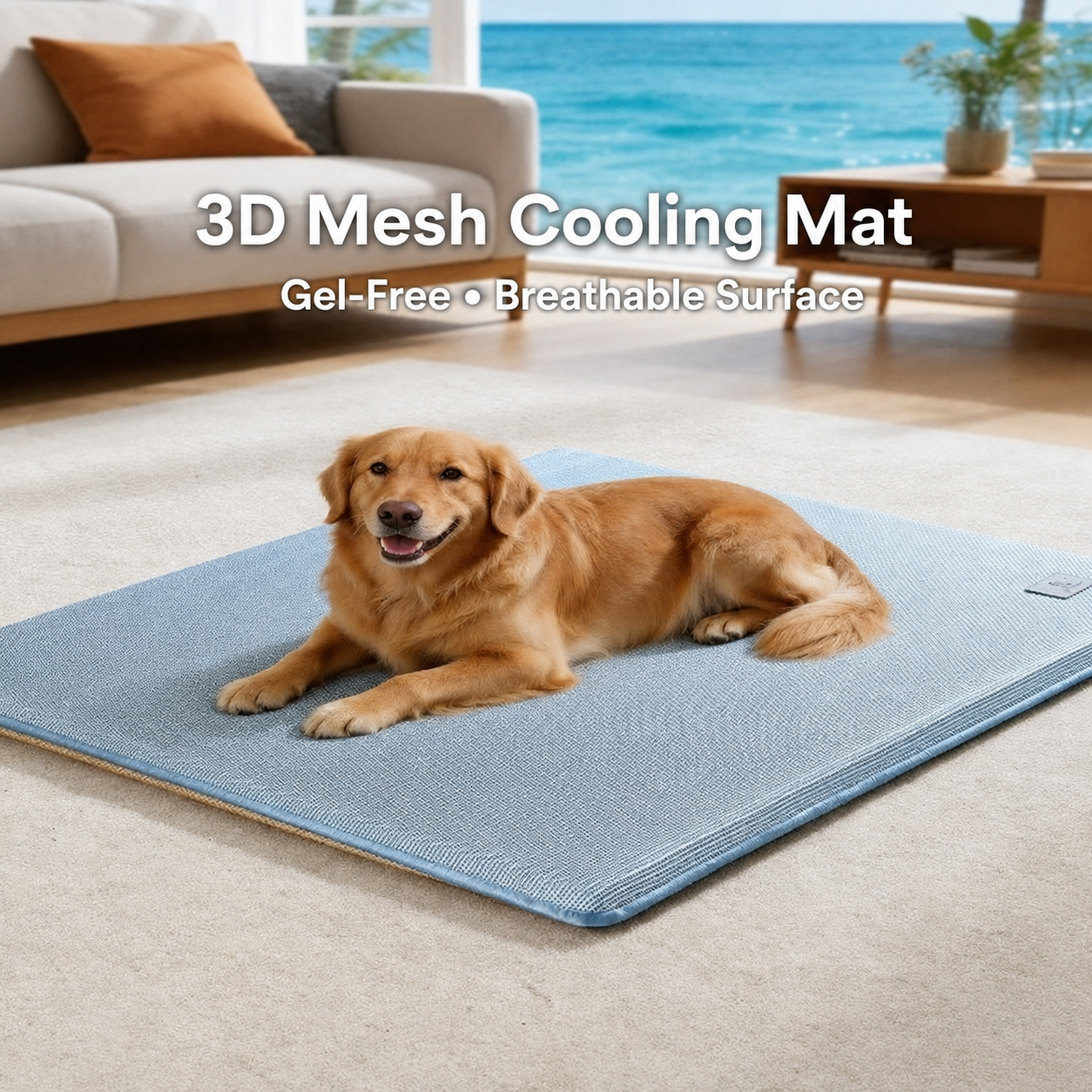
The advantage is a different material and maintenance profile—not automatically stronger cooling.
Retailers should ask exactly what creates the cooling effect. “Cooling fabric” should be tied to a real material or construction feature.
Size Changes the Result
The dog needs enough contact area to use the product naturally.
An undersized mat may still feel cool, but the dog cannot place enough of its body on the surface.
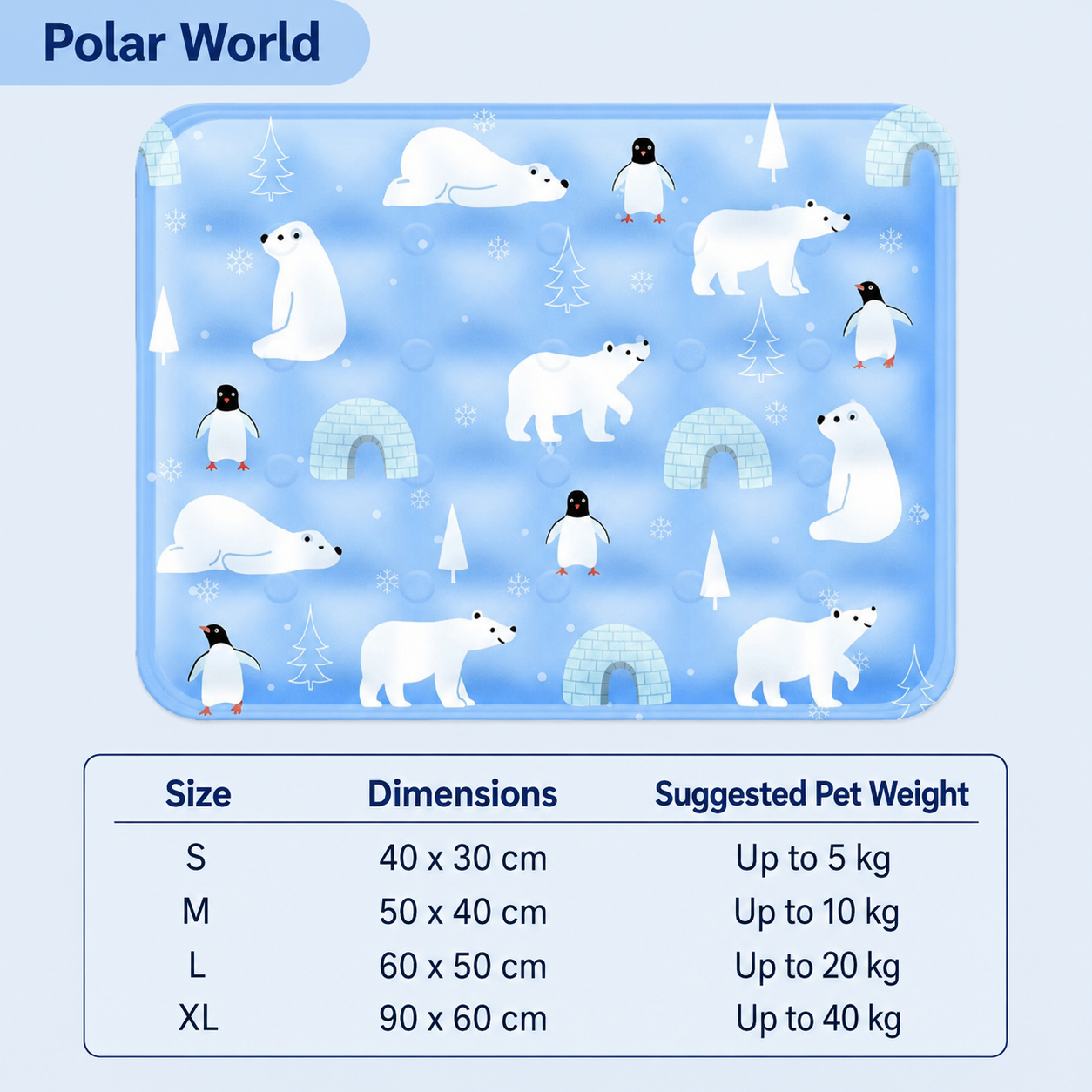
For large breeds, an extra large cooling mat for dogs should be judged by usable dimensions rather than the “XL” label.
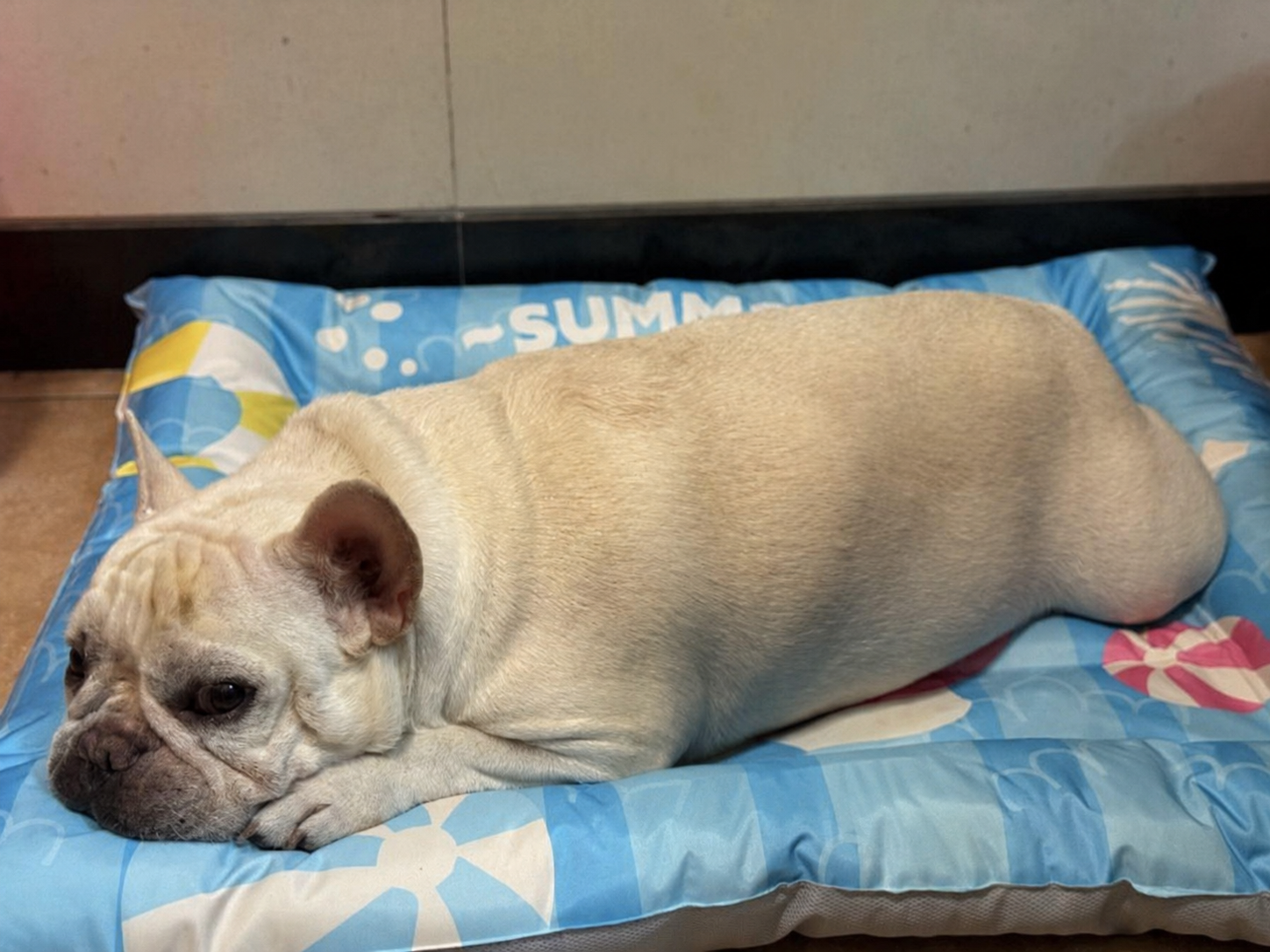
Check whether the dog can lie on its side, stretch the torso across the surface, and turn without leaving the mat.
For large dogs, seam strength and internal material distribution also matter more.
Why Some Dogs Ignore Cooling Mats
A mat can work technically and still fail if the dog dislikes using it.
Common reasons include:
- slippery texture
- crinkling noise
- unfamiliar surface
- mat feels too cold initially
- poor placement
- mat is too small
- dog prefers tile or another floor surface
Pet owners should not force a dog to stay on the mat.
For retailers, surface feel and noise are real product features, not cosmetic details.
Cooling Mat vs Cooling Bed
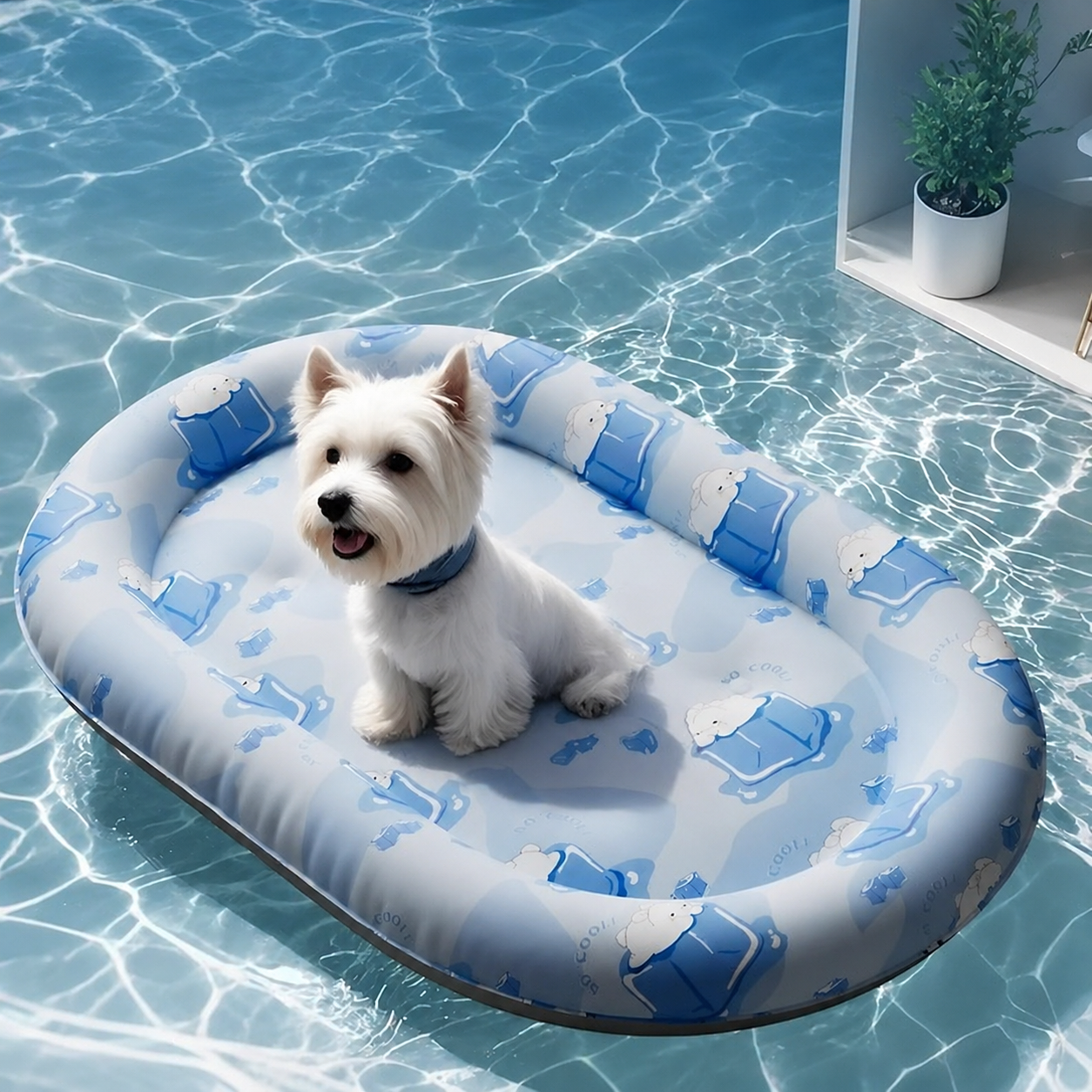
A cooling mat focuses mainly on temperature comfort.
A dog cooling bed can combine cooling with more cushioning or orthopedic-style support.
| Product Direction | Better For | Main Trade-Off |
|---|---|---|
| Thin gel mat | Portable summer use | Less cushioning |
| PCM mat | Controlled cooling | Higher material complexity |
| Water-filled mat | Home use | Weight and leak risk |
| Non-gel mat | Alternative material preference | Cooling depends on construction |
| Cooling bed | Longer resting and support | Bulkier and less portable |
For senior or large dogs, a supportive cooling bed may be more useful than a thin mat alone.
Cooling Mats Are Not a Substitute for Heat Safety
This is the most important limit.
RSPCA warns that cooling products such as gel mats should not be used to justify walking dogs in hot weather.
Dogs Trust recommends shade, fresh water, reduced exercise, and recognising heatstroke signs.
Cornell also recommends limiting activity during the hottest periods, providing shade, keeping dogs indoors in extreme heat, and offering frequent water.
A cooling mat belongs inside that larger heat-management plan.
It cannot make a hot car safe. It cannot make midday exercise safe. It cannot treat established heatstroke.
When Heat Becomes a Veterinary Emergency
Heatstroke is not a product-selection problem.
Cornell describes canine heatstroke as dangerous failure of normal temperature regulation.
Warning signs can include excessive panting, weakness, collapse, drooling, vomiting, diarrhoea, or abnormal behaviour.
If a dog appears overheated or unwell, move the dog out of the heat and seek veterinary guidance immediately.
AAHA also advises controlled cooling rather than extreme ice-cold methods for suspected heatstroke.
A cooling mat is for comfort and prevention support. It is not emergency treatment.
What Retailers Should Check Before Sourcing
A useful cooling mat range should be compared on more than cooling sensation.
I would check:
- cooling mechanism
- usable dimensions
- surface grip
- outer material
- seam strength
- puncture resistance
- chew-risk warning
- gel or fill documentation
- recharge time
- cleaning instructions
- storage
- packaging
- actual cooling claim
A vague “stays cool for hours” statement should be supported by defined test conditions.
Room temperature, dog weight, contact area, and recharge conditions can all change performance.
How Archova Approaches Cooling Products
Archova’s cooling range can be structured around different use scenes rather than one universal mat.
A practical collection can include:
- standard gel cooling mat
- extra-large mat for larger dogs
- non-gel cooling option
- water-filled or alternative cooling mat
- cooling bed with more support
For private-label development, Archova can work around size, surface material, internal cooling structure, colour, labels, packaging, care instructions, and carton planning.
The product claim should follow the actual construction.
If a product cools through gel, say gel. If it uses water, say water. If it uses a technical textile, explain that structure clearly.
When Cooling Mats Are Worth Adding
Cooling mats are worth adding when your market has warm summers, apartment dogs, large or thick-coated breeds, frequent travel, senior dogs, or clear seasonal demand.
I would be cautious when:
- the cooling mechanism is unclear
- the mat is too small
- gel documentation is weak
- seams are easy to puncture
- cooling-duration claims are unsupported
- pet owners may confuse the mat with heatstroke protection
A cooling product becomes stronger when its limit is clear.
FAQ
Do cooling mats actually lower a dog’s body temperature?
They can provide a cooler contact surface and help a dog feel more comfortable. They should not be treated as a guaranteed way to lower core body temperature.
How long do cooling mats stay cool?
It depends on the mechanism, room temperature, dog size, contact area, and product design.
Do cooling mats need to go in the fridge?
Some do, but many gel, PCM, water-filled, and technical-fabric products are designed to work without refrigeration.
Are gel cooling mats safe?
They can be used safely when intact and used as directed. Dogs that chew or puncture mats should be supervised closely.
Are cooling mats good for large dogs?
Yes, if the mat provides enough usable surface area for meaningful body contact.
Are cooling mats good for senior dogs?
They can provide seasonal comfort, but senior dogs may also need cushioning, stable support, and easy access.
Can a cooling mat prevent heatstroke?
No. Shade, fresh water, ventilation, avoiding hot exercise, and recognising heatstroke signs are more important.
What is the best type for retailers to source?
There is no single best type. Gel, PCM, water-filled, non-gel, and cooling-bed designs suit different use scenes and price points.
Conclusion
Cooling mats for dogs do work—but only within realistic limits.
They provide a cooler resting surface and can help dogs stay more comfortable during warm weather. Their effectiveness depends on the mechanism, mat size, environment, and whether the dog chooses to use it.
For retailers, the strongest cooling mat is not the one with the biggest temperature claim.
It is the one whose mechanism, size, materials, safety limits, and care instructions are easy to understand and easy to verify.
References
- Cornell University — Summer Heat Safety Tips for Dogs
- Cornell University — Heatstroke: A Medical Emergency
- PDSA — How to Keep Your Dog Cool in Summer
- PDSA — Heatstroke in Dogs
- RSPCA — Caring for Dogs During Hot Weather
- Dogs Trust — Caring for Your Dog During Hot Weather
- AAHA — Heatstroke in Pets: Signs, Risks, and What to Do