Most pet owners are not really asking whether an open cat bed or a cat cave is “better.” They are asking a more practical question: which one will my cat actually use?
That is the right question. Cat beds fail when the shape does not match the cat’s sleeping habit, the room temperature, or the cat’s sense of safety.
The Fast Answer
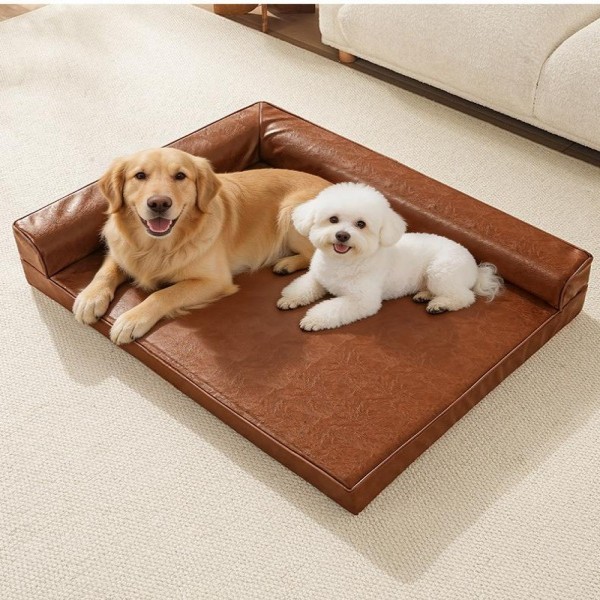
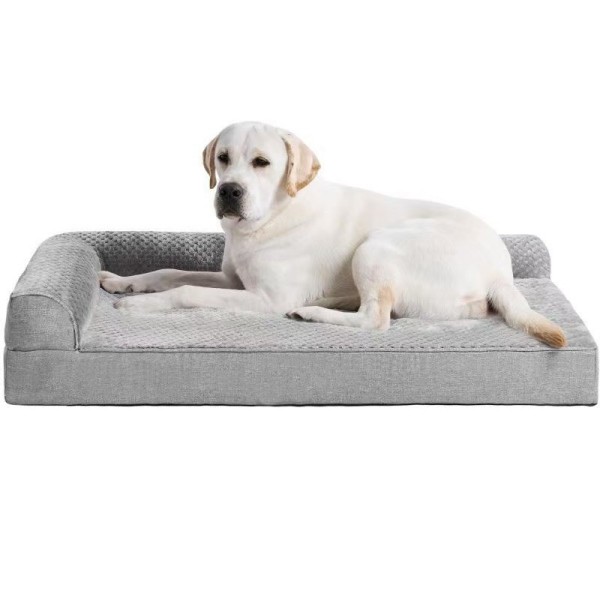
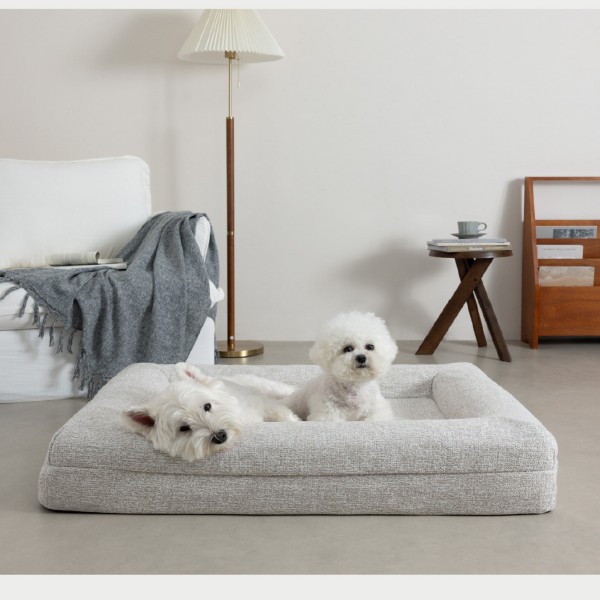
Choose an open cat bed when the cat likes to watch the room, stretch out, sleep near people, or get in and out easily.
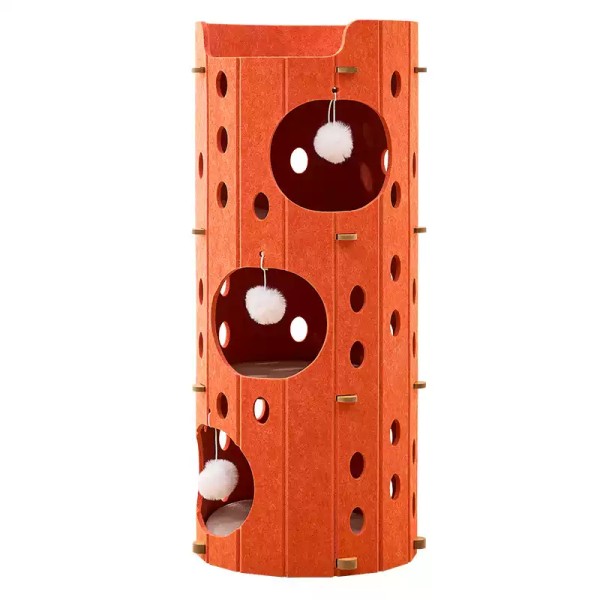
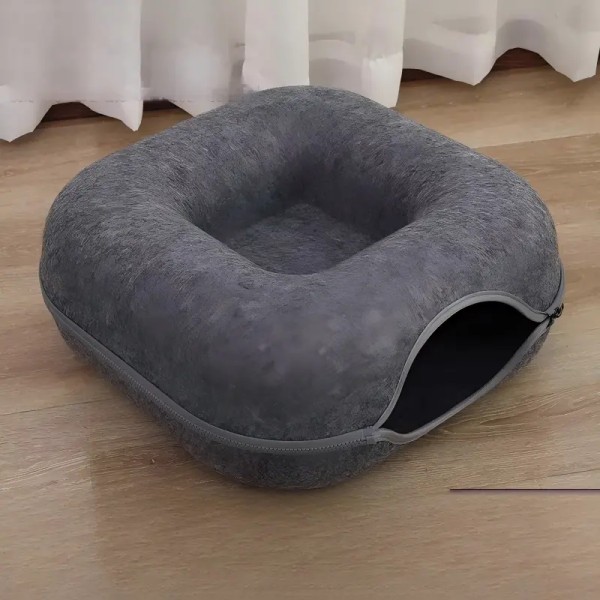
Choose a cat cave when the cat likes boxes, under-chair spaces, closets, quiet corners, or warm enclosed places.
But if you are building a product range, I would not choose only one. Open beds and cat caves answer different cat behaviors.
Look at Where the Cat Already Sleeps
This is the easiest way to understand the difference.
If the cat sleeps on sofas, window ledges, rugs, tables, or open cushions, an open bed feels natural. The cat can see the room, move freely, and leave without squeezing through an entrance.
If the cat sleeps under chairs, inside boxes, behind curtains, or in laundry baskets, a cave makes more sense. That cat is already choosing privacy.
I usually trust the cat’s existing habit more than the product photo. Cats are very honest about where they feel safe and where they can retreat without being disturbed.
Open Beds Are About Access
An open cat bed works because it asks less from the cat. No entrance to test. No enclosed wall. No feeling of being blocked inside.
That matters for senior cats, larger cats, confident cats, and warm-room homes. It also matters for pet owners who want easy cleaning and visible daily use.
Open beds are also easier to place. They can sit on the floor, sofa corner, window area, cat shelf, or inside a larger cat furniture setup.
Cat Caves Are About Protection
A cat cave works because it gives the cat a small private zone. Hiding is a normal feline behavior, and research in shelter cats has found lower behavioral stress when hiding boxes were available. That is why many cats like cardboard boxes even when the house already has expensive beds.
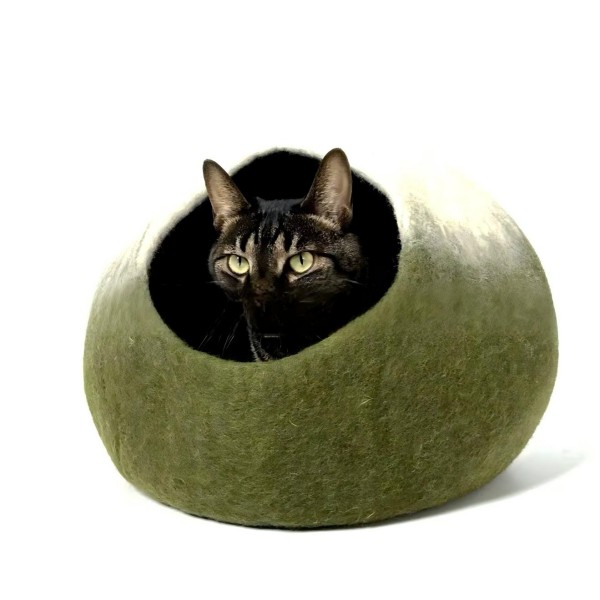
A cave can be useful in colder rooms, multi-pet homes, noisy spaces, and apartments where the cat needs a retreat.
The key is not only softness. The entrance has to feel safe. If the opening is too small, the cat may not go in. If the cave collapses, the cat may not trust it again.
The Middle Style Often Sells Better
Many cats do not need a fully enclosed cave or a completely flat bed. A semi-open shape can give the cat some boundary while keeping entry and visibility easy.
For a first range, semi-open is often a lower-risk bridge between open resting and enclosed hiding.
Size Is More Important Than the Name
A small cat cave can look cute, but the cat still has to enter, turn, curl, and leave comfortably.
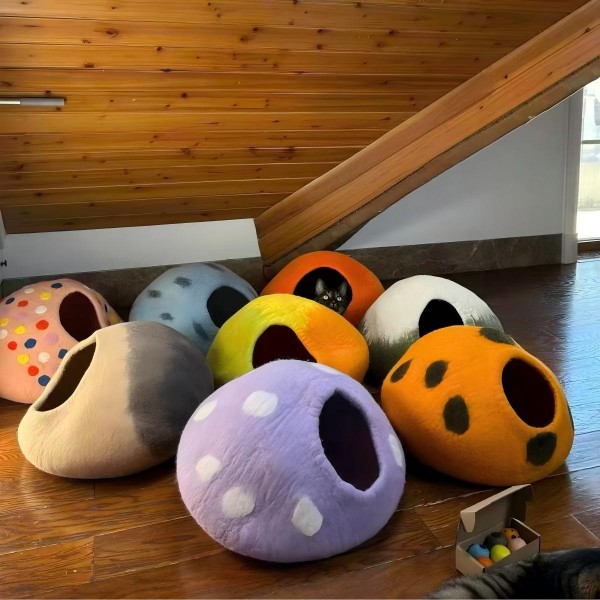
For open beds, many common round styles sit around 20 inches. That works for many cats, but larger cats may need more space.
For caves, I would check three things before style: entrance width, inner space, and shape stability. A beautiful cave with a tight opening can easily become unused.
Warmth Can Be a Strength or a Problem
Cat caves are warmer. That is useful in winter, air-conditioned rooms, and quiet bedrooms.
Open beds breathe better. That is better for warm homes, sunny windows, summer use, and cats that dislike enclosed spaces.
So this is not only a personality choice. It is also a seasonal choice. A cat may use a cave in winter and an open bed in summer.
Material Changes the Story
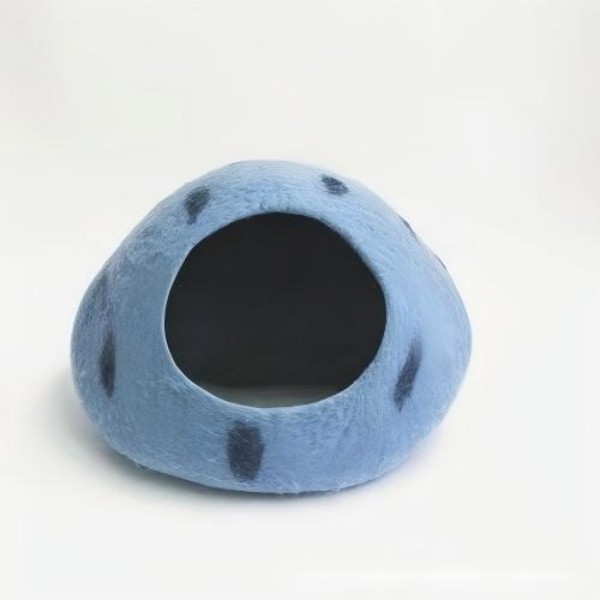
A felt cat cave feels warm, soft, and private. It is strong for cozy hideaway products, but shape recovery and cleaning need attention.
A plush open bed feels familiar and easy to understand. It is simple for pet owners, but weak filling can flatten quickly.
A wicker, willow, or rattan cat bed gives the product more home furniture value. It looks less like a pet accessory and more like part of the room.
PE rattan gives a similar woven look with easier wipe-clean care and more consistent color. I would choose it when the product needs a cleaner, more controlled woven style.
A Simple Decision Map
| Cat Behavior or Home Scene | Better Direction |
|---|---|
| Watches the room while resting | Open cat bed |
| Hides in boxes or under furniture | Cat cave |
| Older cat or large cat | Open or wide-entry semi-open bed |
| Cold room or winter product | Cat cave |
| Warm room or summer use | Open bed |
| Natural home décor | Wicker, willow, rattan, or PE rattan |
| First product range | Semi-open bed plus one cave style |
This is how I would make the choice. Not by trend, but by use scene.
What Can Go Wrong
Open beds fail when they are too flat, too slippery, too small, or too easy to deform.
Cat caves fail when the entrance is tight, the inside feels cramped, the shape collapses, or cleaning is difficult.
Woven beds fail when the surface is rough, the structure is unstable, or the inner space looks larger than it really is.
These problems are not dramatic, but they decide whether pet owners reorder or avoid the category next time.
How Archova Would Build This Category
For Archova, this category belongs inside modern cat home furniture rather than a generic soft-bed line.
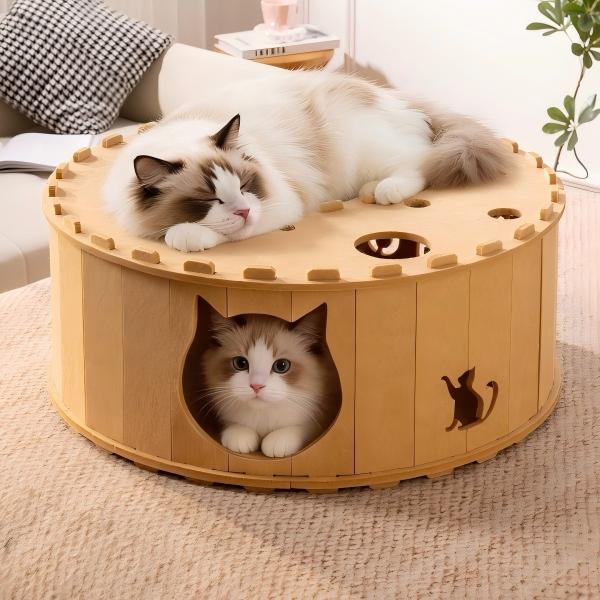
I would separate the range by use scene: open daily rest, semi-open nesting, felt caves for privacy and warmth, and structured cat furniture for homes that want more visible design value.
When This Direction Is Worth Adding
Add open cat beds if your market includes warm homes, senior cats, large cats, and pet owners who want simple daily use.
Add cat caves if your market includes apartment cats, shy cats, winter products, and pet owners who want cozy hideaway beds.
Add woven or PE rattan styles if your market cares about home décor and wants cat beds that look less like ordinary pet accessories.
The best range does not force one answer. It gives cats different resting choices.
FAQ
Do cats prefer open beds or caves?
Both preferences are common. Current sleeping and hiding habits are the best clue.
Are cat caves good for shy cats?
They can be because hiding is a normal coping behavior, but entrance size and location still matter.
Are open beds better for senior cats?
Often, because entry is easier. A wide, low cave can still work if the cat prefers enclosed spaces.
What size cave should I choose?
Check entrance width, inner turning space, and shape stability rather than outside dimensions alone.
Should a product range include both?
Yes. Open, semi-open, and enclosed options cover different resting preferences.
References
- FelineVMA — Setting Up the Environment for Success
- Ohio State University Indoor Pet Initiative — Hiding Instinct
- Cats Protection — How to Choose the Perfect Cat Bed
- PLOS ONE — The Effect of a Hiding Box on Stress Levels in Shelter Cats
- FelineVMA — Meeting the Physical and Emotional Needs of Indoor Cats