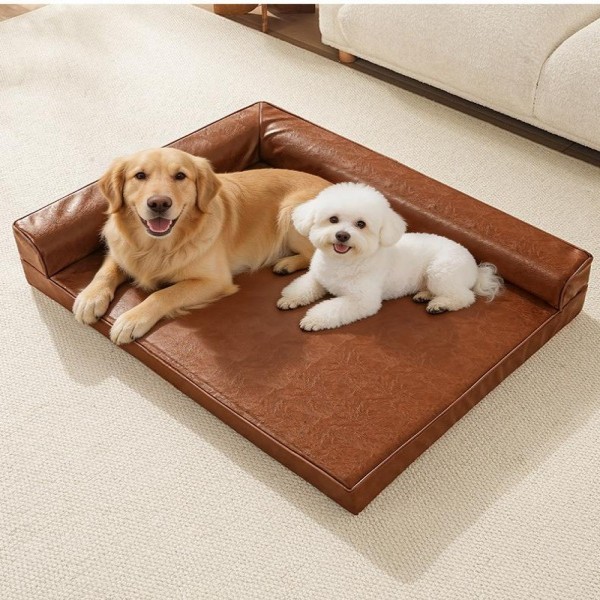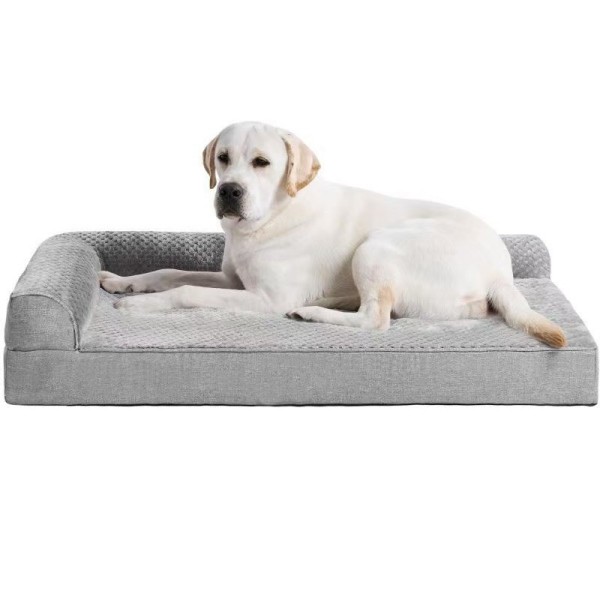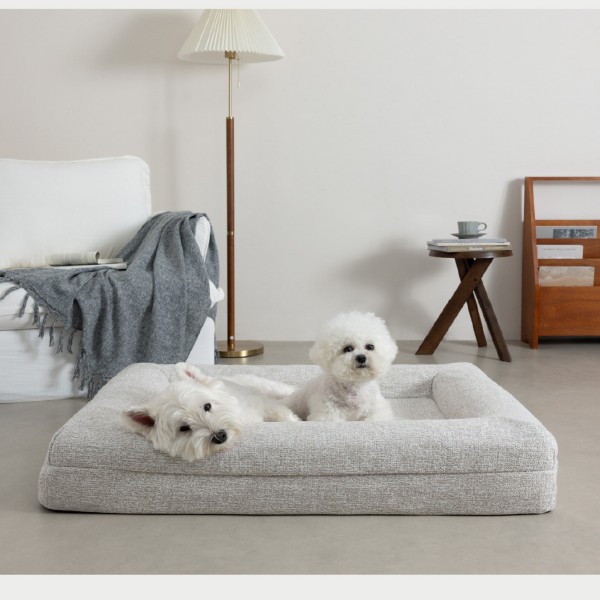
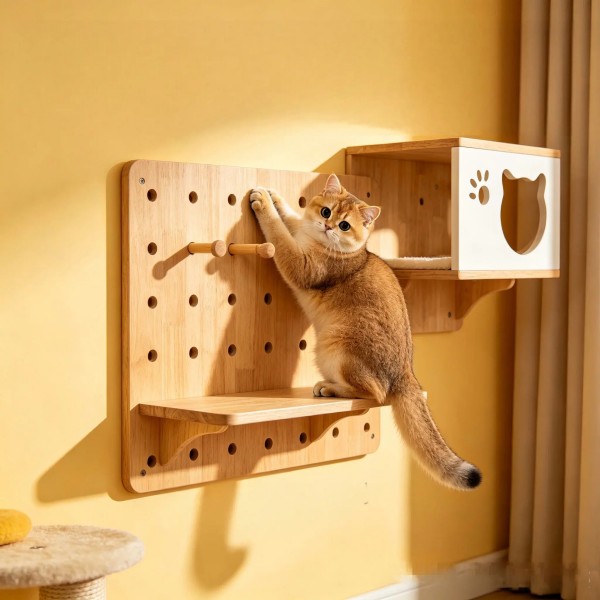
Pet owners do not judge pet furniture the same way importers judge a quotation.
They first ask: Will my pet use it? Will it fit? Is it safe? Is it easy to clean? Will it still work after daily use?
For retailers and product buyers, those questions should shape the product before color, packaging language, or price positioning.
Will My Pet Actually Use It?
A beautiful product has no value if the pet ignores it.
Cats may prefer elevated, enclosed, open, scratchable, or semi-private spaces. FelineVMA guidance highlights safe resting areas, vertical space, scratching areas, and separate environmental resources.
Dogs also need resting areas that feel calm and secure. Dogs Trust recommends a safe resting space that is comfortable and free from hazards.
That means the product should begin with behavior, not appearance.
A felt cat cave bed may suit a cat that repeatedly hides in boxes or covered corners. A cat that likes watching the room may prefer an open platform or elevated shelf.

For retailers, different shapes need different use stories. One “best bed” rarely fits every pet.
Usable Size Matters More Than Outer Size
Pet owners often judge furniture from outside dimensions.
The pet uses the inside.
A crate, bolster bed, cave, basket, or furniture-style enclosure can lose substantial usable space through frames, bolsters, walls, or decorative edges.
RSPCA guidance says a dog crate should allow the dog to stand, turn around, lie down, and stretch comfortably.
For dog crate furniture, show internal dimensions as clearly as external furniture dimensions.
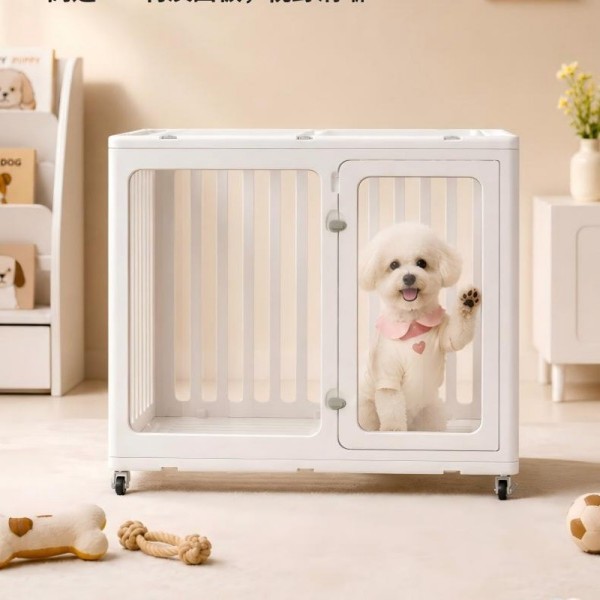
For beds, show usable sleeping area. For cat caves, show entrance size and inner room. For shelves, show platform width and depth.
Clear usable dimensions reduce wrong purchases better than another beauty photo.
Stability and Safety Become Obvious in Daily Use
Many problems do not appear in the product photo.
They appear when a pet jumps onto a shelf, pushes a playpen panel, steps onto a slippery bed, or repeatedly uses a door and latch.
A product that rocks, slides, flexes, or makes the pet hesitate quickly loses trust.
For a plastic modular indoor dog playpen, I would check panel stiffness, connector fit, door stability, gap spacing, floor contact, and repeated-use stability.
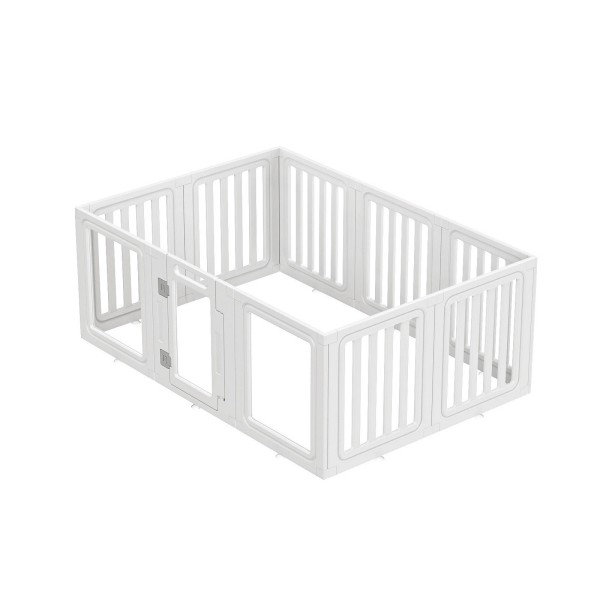
For wall furniture, brackets and installation guidance matter. For beds, bottom grip matters. For woven products, smooth inner surfaces matter.
“Safe” should be explained through structure, not used as a vague label.
Cleaning Is Part of the Purchase
Pet furniture lives with hair, saliva, dirt, litter, food, water, accidents, and odor.
Pet owners can accept regular cleaning. What they dislike is discovering that a product is much harder to clean than expected.
CDC guidance on cleaning and disinfecting pet supplies emphasizes following product-specific cleaning instructions.
For product buyers, care claims should match the material.
Plastic may support wiping. Removable fabric covers may support laundering when allowed. Foam may need a liner. Felt may need spot cleaning. Woven frames may require brushing or vacuuming.
Do not call a fixed surface a removable washable cover. Do not call a moisture-resistant liner fully waterproof unless the construction supports that claim.
Does It Fit the Home?
Pet furniture is often visible inside the home.
A crate may sit beside the sofa. A cat wall system may become part of the living-room wall. A dog bed may stay beside the desk or bed every day.
Pet owners therefore judge visual weight, footprint, color, and how permanent the product feels.
This is where cat wall shelves have a clear advantage. They use vertical territory instead of adding another large floor product.
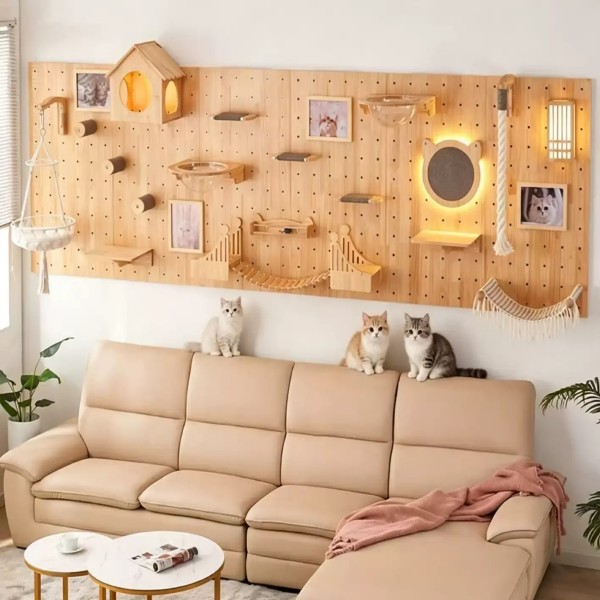
For dog furniture, neutral colors, cleaner hardware, controlled proportions, and furniture-like surfaces can make the product easier to keep in a visible room.
Home integration can support a higher-value product story, but pet comfort still comes first.
Senior Pets Change Good Design
A product that works for a young pet may become difficult later.
Senior dogs may hesitate at high bolsters, slippery beds, steep steps, or unstable surfaces. Older cats may prefer lower routes or easier-access resting areas.
AAHA recommends environmental modifications such as orthopedic bedding, ramps or stairs, and nonslip surfaces for mobility-compromised pets.
For an orthopedic dog bed, support is only part of the product.
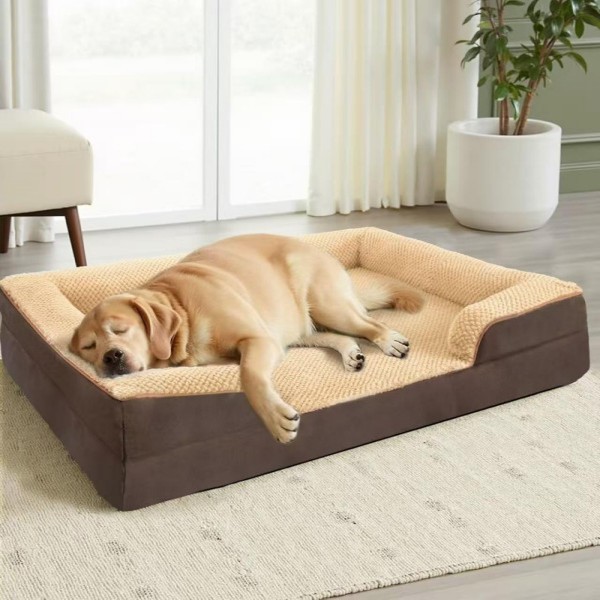
I would also check entry height, usable sleeping area, bottom grip, surface stability, and cleaning access.
Pet furniture can support a more accessible home. It does not treat arthritis, injury, pain, or mobility disease.
Durability Should Be Defined by Use
“Durable” is too vague.
A large dog may compress foam. A puppy may chew corners. A cat may scratch woven material. A heavy cat may test a wall shelf differently from a small cat.
The better question is: durable against what?
For soft furniture, check foam recovery, seams, zippers, fabric wear, and bottom structure.
For plastic furniture, check panel stiffness, connector wear, surface scratching, and door hardware.
For wood or board furniture, check edges, hardware, moisture exposure, and repeated assembly.
For woven furniture, check frame stability, loose strands, deformation, and cleaning access.
Honest use limits are better than “indestructible” claims.
Assembly and Packaging Affect the First Experience
If hardware is mixed, instructions are unclear, holes do not align, or parts are missing, the customer starts with frustration.
That matters for crate furniture, modular playpens, wall-mounted shelves, gates, and expandable systems.
A better retail-ready product uses labeled hardware, clear diagrams, logical steps, and spare small parts where practical.
Packaging matters too.
Crushed corners, scratched panels, bent frames, broken connectors, compressed shapes, or missing hardware create a negative first impression before the pet uses the product.
For importers, assembly and packaging should be treated as product quality.
A Practical Pet-Owner Decision Map
| What Pet Owners Care About | What They Notice | Better Product Decision |
|---|---|---|
| Will the pet use it? | Shape, location, privacy | Match the product to pet behavior |
| Is it the right size? | Entry and usable area | Show usable dimensions clearly |
| Does it feel safe? | Sliding, shaking, weak hardware | Improve stability and structure |
| Is it easy to clean? | Hair, odor, accidents | Match care claims to material |
| Does it fit the room? | Footprint and visual weight | Build home-friendly directions |
| Can an older pet use it? | Entry height and traction | Add accessible options |
| Will it last? | Collapse, scratches, loose parts | Define durability by use case |
| Is setup frustrating? | Missing parts and instructions | Improve packing and assembly |
This is more useful than a generic quality-versus-price comparison because it starts with real home use.
What This Means for Retail Product Selection
Retailers do not need one SKU that solves every need.
A stronger range separates use scenes.
You might carry:
- an enclosed felt bed for cats that prefer hiding
- wall-mounted cat furniture for vertical territory
- a supportive low-entry bed for senior dogs
- crate furniture for home integration
- modular playpens for controlled indoor space
Each product should have a clear reason to exist.
That makes merchandising easier and can reduce wrong purchases. When positioning is vague, pet owners choose by appearance and discover the mismatch later.
How Archova Approaches Pet Furniture Selection
Archova looks at pet furniture from both sides of the purchase.
The product has to make sense for the pet, but it also has to work for the importer, retailer, and home.
For dog beds, we look at support, usable area, entry, fabric, liners, cleaning, and floor grip. For crate furniture, we look at inner space, ventilation, hardware, cleaning access, and furniture integration.
For playpens, we look at panel structure, connectors, gaps, doors, floor contact, and packaging. For cat furniture, we look at resting behavior, vertical use, entry size, platform space, stability, and home styling.
Private-label development should begin with these use problems before decorative customization.
The strongest product is usually not the one with the most features. It is the one whose purpose remains clear after months of use.
When a Pet Furniture Product Is Worth Adding
I would add a product when it solves a clear home-use problem and the structure supports the promise.
I would be cautious when usable size is unclear, stability is difficult to explain, cleaning guidance is vague, the material does not match likely behavior, assembly is complicated, or packaging damage is common.
A good pet furniture range is not built by collecting more shapes.
It is built by understanding why pet owners keep some products in their homes and stop using others.
FAQ
What matters most to pet owners when buying pet furniture?
Whether the pet will use it, whether the size is right, whether it feels stable, how difficult it is to clean, and whether it fits the home.
Is appearance more important than function?
No. Appearance influences the purchase, but poor comfort, sizing, stability, or cleaning weakens long-term satisfaction.
Why are usable dimensions important?
Outer dimensions can be misleading. Frames, bolsters, walls, and decorative structures reduce the actual space available to the pet.
Do senior pets need different furniture?
Often, yes. Lower entry, better traction, stable surfaces, and easier access can become more important as mobility changes.
What cleaning features should retailers look for?
Realistic care instructions, accessible surfaces, removable components where appropriate, and materials suited to the intended use.
How can retailers reduce returns?
Use clear sizing, honest use limits, better assembly guidance, realistic material claims, and positioning based on pet behavior.
Should retailers offer many styles?
Only when each style has a clear use case. A smaller differentiated range is easier to explain than many similar SKUs.
Conclusion
Pet owners care about more than whether pet furniture looks attractive.
They care about whether their pet chooses it, fits comfortably, feels secure, can enter easily, and continues using it after the first few weeks.
For retailers and importers, those concerns are not separate from commercial value.
They are the product value.
References